Benefits of Guava Leaves
 Espanol
Espanol
The Humble Powerhouse: Unveiling the Remarkable Benefits of Guava Leaves 🍃
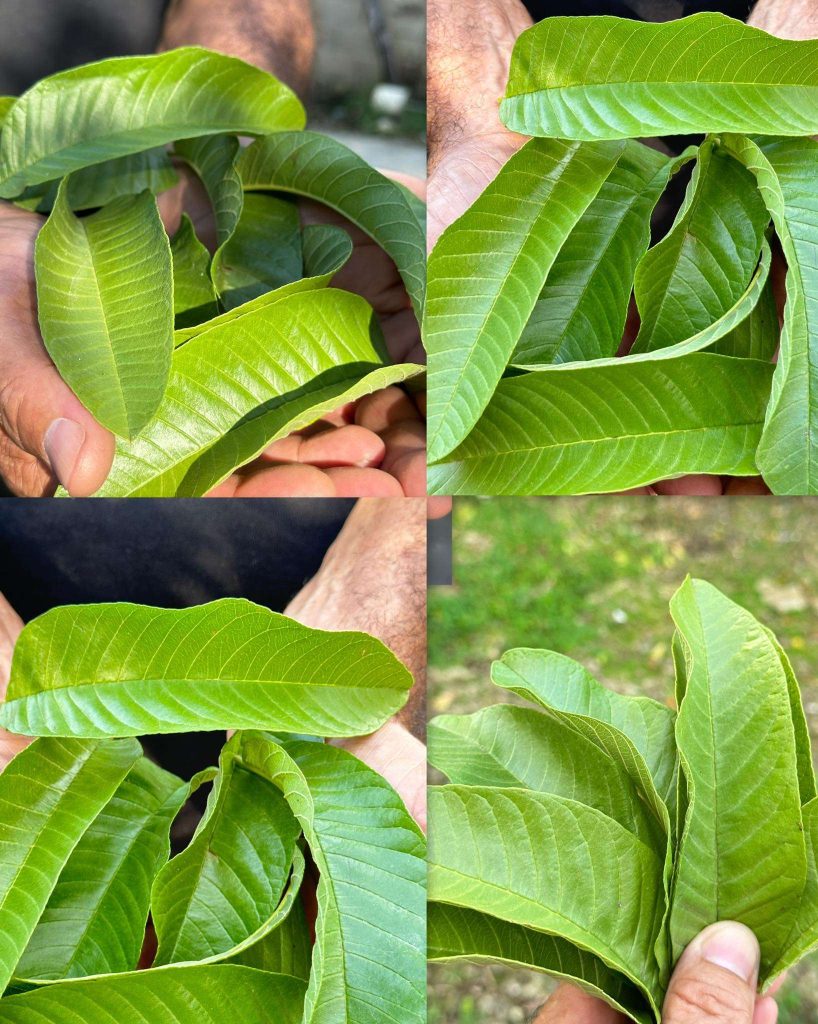
Often overshadowed by its delicious fruit, the guava leaf is a hidden gem in the world of natural wellness. Packed with potent bioactive compounds like flavonoids, tannins, and essential oils, these simple leaves offer a surprising array of health benefits that have been recognized in traditional medicine for centuries. This article will guide you through the science-backed and practical advantages of incorporating guava leaves into your health routine, providing you with clear, actionable insights to harness their power effectively. Let's explore why this readily available leaf deserves a spot in your cupboard.
A Treasure Trove of Nutrients and Antioxidants 🛡️
Guava leaves are not just simple foliage; they are a concentrated source of vital nutrients. They are rich in powerful antioxidants, particularly vitamin C and flavonoids like quercetin. These compounds are crucial for combating oxidative stress in the body, which is linked to chronic diseases and aging. By neutralizing harmful free radicals, the antioxidants in guava leaves help protect your cells from damage, support a robust immune system, and promote overall vitality. Think of them as a protective shield for your body's fundamental building blocks.
Supporting Digestive Wellness and Gut Health 🤢➡️😊
One of the most celebrated uses of guava leaves is for digestive aid. Their antimicrobial and anti-inflammatory properties can help soothe an upset stomach and combat harmful gut bacteria. Drinking guava leaf tea is a highly effective remedy for alleviating symptoms of diarrhea and food poisoning. The leaves contain compounds that inhibit the growth of pathogens like Staphylococcus aureus and E. coli. Furthermore, they may help reduce abdominal pain and the frequency of digestive discomfort, making them a natural and gentle option for promoting a happier, more balanced gut.
A Natural Ally in Blood Sugar Management 📉
Emerging research points to guava leaf tea as a beneficial dietary addition for those managing blood sugar levels. Studies suggest that compounds in the leaves can help improve insulin sensitivity and reduce blood glucose levels after meals. They inhibit certain enzymes that convert carbohydrates into glucose in the bloodstream, leading to a more gradual sugar absorption. While not a replacement for prescribed medication, incorporating unsweetened guava leaf tea can be a supportive, natural strategy as part of a comprehensive health plan, always in consultation with a healthcare provider.
Boosting Heart Health and Improving Cholesterol Profile ❤️
Your cardiovascular system can also benefit from guava leaves. Regular consumption of guava leaf extract or tea has been linked to positive effects on heart health. The leaves may help lower "bad" LDL cholesterol and triglycerides while increasing "good" HDL cholesterol. This balancing act is vital for preventing plaque buildup in the arteries. Additionally, the high potassium content helps regulate blood pressure by counteracting the effects of sodium and easing tension in the blood vessel walls. It's a heart-smart habit that's easy to adopt.
Enhancing Skin, Hair, and Oral Health ✨
The benefits of guava leaves extend to beauty and oral care, thanks to their antimicrobial and anti-inflammatory prowess.
- For Skin: Applying a cooled guava leaf tea wash or paste can help reduce acne and inflammation due to its bacteria-fighting ability. The antioxidants also combat skin aging.
- For Hair: Boiling guava leaves into a rinse can strengthen hair roots, potentially reduce hair loss, and add a healthy shine.
- For Oral Health: Chewing on clean, tender guava leaves or using the tea as a mouthwash can relieve gum inflammation, soothe mouth ulcers, and fight bacteria that cause bad breath.
It's a multi-purpose, natural cosmetic and hygiene aid.
Practical Ways to Use Guava Leaves at Home 🏡
Harnessing these benefits is straightforward. The most common method is to make a simple tea:
To make guava leaf tea: Rinse 5-10 fresh, organic leaves (or use 1 tablespoon of dried leaves). Gently crush them to release their oils. Steep them in a cup of hot water for about 5-10 minutes. Strain and enjoy. You can drink it warm or cold. For topical use, create a more concentrated decoction by boiling a handful of leaves in water for 15-20 minutes, then let it cool before applying. Always start with small amounts to see how your body responds, and ensure the leaves are sourced from trees not treated with pesticides.
Important Considerations and Precautions ⚠️
While guava leaves are generally safe for most people, moderation is key. Pregnant and breastfeeding women should consult a doctor before use. Due to their potential blood sugar-lowering effects, individuals with diabetes or those scheduled for surgery should monitor their levels closely and speak with a healthcare professional. As with any herbal remedy, it is possible to have an allergic reaction. Listen to your body and use guava leaves as a complement to, not a substitute for, a balanced diet and medical advice.
Conclusion: Embracing Nature's Simple Pharmacy 🌿
From aiding digestion and supporting heart health to managing blood sugar and enhancing beauty, guava leaves prove that powerful medicine often comes in humble packages. Their wide range of applications, backed by both tradition and growing scientific interest, makes them a valuable and accessible addition to a holistic health approach. By understanding their benefits and learning the simple methods of preparation, you can unlock the potential of this everyday leaf. We encourage you to explore guava leaf tea as a first step—a warm, soothing cup that offers more than just comfort, but a genuine boost to your well-being.
Deja una respuesta