Benefits of Guava Leaves
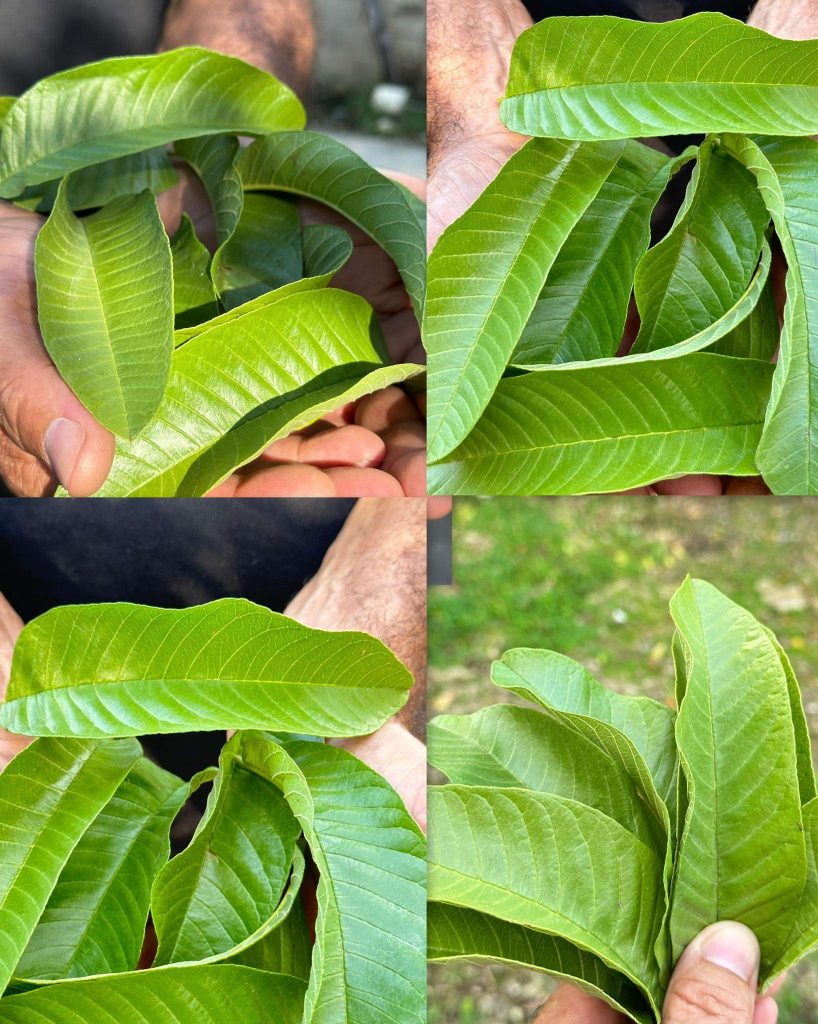
Introduction: The Unsung Hero of Wellness 🍃
 Espanol
In the vibrant world of natural remedies, one humble foliage often goes unnoticed despite its powerhouse properties: the guava leaf. While the sweet, tangy fruit rightfully claims its fame, the leaves of the Psidium guajava tree are a treasure trove of health benefits waiting to be unlocked. This article delves deep into the science and traditional wisdom behind guava leaves, moving beyond superficial claims to explore their practical applications for modern health. We will uncover how these readily available leaves can be a simple yet profound addition to your wellness routine, offering solutions from blood sugar management to glowing skin. Get ready to discover why this green gem deserves a spot in your pantry.
Espanol
Nutritional Powerhouse: What’s Inside the Leaf? 🔬
Guava leaves are not just ordinary leaves; they are densely packed with bioactive compounds. They are rich in powerful antioxidants like quercetin, flavonoids, and carotenoids, which combat oxidative stress and cellular damage. Furthermore, they contain essential anti-inflammatory agents such as tannins (like gallic acid) and valuable vitamins, notably vitamin C and niacin (B3). This potent combination is the foundation for their wide-ranging therapeutic effects, from fighting infections to protecting the heart. Understanding this composition helps us appreciate why these leaves have been a staple in Ayurvedic and traditional medicine for centuries.
Top Health Benefits Explored
Let’s break down the specific, evidence-backed benefits of incorporating guava leaves into your health regimen.
Blood Sugar Regulation 🩸
One of the most celebrated benefits is their positive effect on blood glucose levels. Compounds in the leaves inhibit the absorption of sucrose and maltose, helping to manage post-meal blood sugar spikes. Regular consumption of guava leaf tea may be a beneficial complementary practice for those managing insulin sensitivity or type 2 diabetes. Always consult with your healthcare provider before making any changes to your management plan.
Digestive Health Champion 🤢
Guava leaves are a boon for the gut. Their antimicrobial properties can help curb foodborne pathogens like Staphylococcus aureus and E. coli, reducing the risk of infections. More commonly, the anti-inflammatory nature of the leaves soothes the gastrointestinal tract, alleviating symptoms of diarrhea and dysentery. For quick relief, a cup of warm guava leaf tea can calm an upset stomach effectively. 🫖
Heart Health and Cholesterol Support ❤️
The leaves contribute to cardiovascular wellness in multiple ways. The antioxidants help prevent the oxidation of LDL ("bad") cholesterol, a key step in plaque formation. Some studies suggest they may also help lower triglycerides and blood pressure. By supporting healthier lipid profiles and reducing oxidative stress, guava leaves promote better long-term heart function.
Skin and Hair Elixir ✨
Applied topically, guava leaf extract works wonders for beauty. Its antibacterial and anti-inflammatory properties make it excellent for treating acne and reducing redness. The antioxidants fight free radicals that cause premature aging. For a simple skin tonic, boil leaves, let the water cool, and apply it to your face with a cotton pad. For hair, it can combat dandruff and strengthen follicles, reducing hair loss.
Immunity Booster and Cold Remedy 🤧
Packed with vitamin C and iron, guava leaves enhance the body's natural defense system. They help in the production of disease-fighting white blood cells. A warm tea made from the leaves is an excellent remedy for coughs, colds, and sore throats as it reduces mucus and disinfects the respiratory tract. It’s nature’s comforting shield during flu season.
Practical Guide: How to Use Guava Leaves
Knowing the benefits is one thing; applying them is another. Here’s how you can harness their power safely and effectively.
Preparing Guava Leaf Tea ☕
This is the most common and versatile method.
Instructions: Rinse 5-10 fresh, organic leaves (or use 1 tablespoon of dried leaves). Place them in a pot with about 2 cups of water. Bring to a boil, then reduce heat and simmer for 10-15 minutes to extract the compounds. Strain the liquid and enjoy. You can add a touch of honey or lemon for flavor. For optimal benefits, consume one cup daily, preferably between meals.
Topical Applications and Mouthwash 🦷
For skin and oral health, the decoction (boiled water) can be used directly.
- Acne Treatment: Apply the cooled tea to affected areas with a clean cloth and rinse after 10 minutes.
- Wound Disinfectant: Use the cooled liquid to clean minor cuts or abrasions.
- Natural Mouthwash: The antibacterial properties make it fantastic for fighting plaque, gingivitis, and bad breath. Swish the cooled tea for 30 seconds after brushing.
Important Considerations and Precautions ⚠️
While generally safe for most people, moderation is key. Pregnant or breastfeeding women should avoid therapeutic doses without medical consultation. Due to their effect on blood sugar, those on diabetes medication should monitor their levels closely to avoid hypoglycemia. Similarly, individuals scheduled for surgery should discontinue use two weeks prior due to potential blood sugar-lowering effects. Start with small amounts to see how your body reacts.
Conclusion: Embracing Nature’s Green Pharmacy 🌿
The journey through the benefits of guava leaves reveals a remarkable, multi-purpose natural aid. From regulating metabolic health and fortifying the heart to enhancing skin radiance and boosting immunity, these leaves offer a holistic approach to well-being. Their strength lies in the synergy of powerful compounds working together, a reminder that nature often provides complex solutions in simple packages. We encourage you to explore incorporating guava leaf tea into your routine as a supportive health practice. Remember, natural remedies complement but do not replace professional medical advice. Consult with your healthcare provider for personalized guidance. Here’s to discovering the profound benefits hidden in the ordinary—one leaf at a time.
Deja una respuesta