Benefits of Guava Leaves
 Espanol
Espanol
Unlocking Nature's Pharmacy: An Introduction to Guava Leaves 🌿
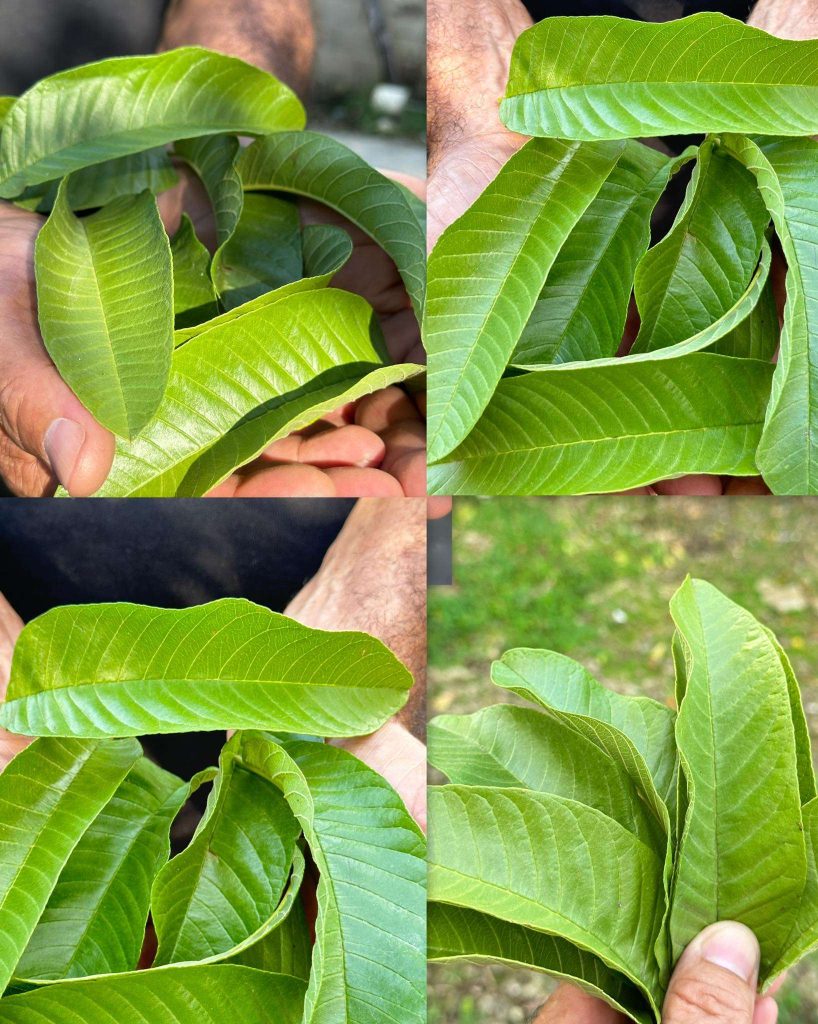
Often overshadowed by the sweet, pulpy fruit they accompany, guava leaves are a hidden gem in the world of natural wellness. While the sight of a "suspended account" might cause digital distress, encountering a guava tree is an opportunity for health enrichment. This humble foliage, scientifically known as Psidium guajava, has been a cornerstone in traditional medicine across tropical regions for centuries. Far from being mere waste, these leaves are packed with a potent arsenal of antioxidants, anti-inflammatory compounds, and essential vitamins. This article delves deep into the scientifically-backed and traditionally honored benefits of guava leaves, transforming your perception from a simple leaf to a powerful, accessible tool for enhancing your daily health regimen. Let's explore how this natural resource can contribute to everything from metabolic health to radiant skin.
Nutritional Powerhouse: What's Inside the Leaf? 🔬
To understand their benefits, we must first appreciate their composition. Guava leaves are rich in bioactive compounds like quercetin, avicularin, and flavonoids, which are renowned for their antioxidant properties. They are also a significant source of vitamins C and A, along with essential minerals such as potassium and magnesium. This unique blend is responsible for the leaf's wide-ranging therapeutic effects, acting as a natural shield against various ailments and promoting overall systemic balance.
A Deep Dive into the Key Health Benefits
The applications of guava leaves are remarkably diverse. Here, we break down the most impactful ways they can support your health.
Blood Sugar Regulation and Metabolic Health 📉
One of the most celebrated benefits is their positive effect on blood glucose levels. Compounds in the leaves inhibit the absorption of certain types of sugars in the bloodstream, such as sucrose and maltose. Regular consumption of guava leaf tea, especially after meals, may help prevent blood sugar spikes. This makes it a valuable, natural adjunct for individuals managing insulin sensitivity or type 2 diabetes, though it should not replace prescribed medication. 🍵
Digestive System Champion 💊
Guava leaves possess strong antibacterial and anti-inflammatory properties that target the digestive tract. They are particularly effective against common culprits of gastrointestinal distress. Drinking guava leaf tea can alleviate symptoms of diarrhea, reduce stomach pain, and decrease the production of excess digestive mucus. For an upset stomach, a warm cup of guava leaf tea is a time-tested, soothing remedy.
Heart Health and Cholesterol Support ❤️
The heart benefits from the leaf's dual action. The antioxidants help protect the heart from oxidative stress, while other compounds have been shown to help lower "bad" LDL cholesterol and triglycerides. By promoting healthier blood lipid profiles and supporting relaxed blood vessels, guava leaves contribute to improved cardiovascular function and reduced risk of heart disease.
Skin and Hair Elixir ✨
Your external beauty can also get a boost from guava leaves. Their antimicrobial and anti-inflammatory qualities make them excellent for treating acne, blackheads, and skin irritation. A simple topical application of a cooled leaf decoction can calm redness and promote clearer skin. For hair, boiling the leaves into a rinse can strengthen hair follicles, combat dandruff, and may even help slow premature graying, thanks to its high antioxidant content.
Immune System Fortification 🛡️
With a high concentration of vitamin C and immune-boosting flavonoids, guava leaves help strengthen the body's natural defenses. They stimulate the production and activity of white blood cells, the body's primary line of defense against pathogens. Incorporating guava leaf tea during cold season is a smart, preventive strategy to keep your immune system vigilant.
How to Incorporate Guava Leaves into Your Routine: Practical Tips
Harnessing these benefits is straightforward. The most common method is to prepare a tea or decoction.
To make guava leaf tea:
1. Wash 5-10 fresh, organic guava leaves thoroughly (or use 1 tablespoon of dried leaves).
2. Boil them in 1 liter of water for about 10 minutes.
3. Strain the liquid and allow it to cool slightly.
4. Enjoy it warm or cold. You can add a hint of honey or lemon for taste, but it's best consumed without sugar to maximize health benefits.
For topical use on skin or hair, let the decoction cool completely before applying it directly to the affected area or using it as a final hair rinse after shampooing.
Important Considerations and Precautions ⚠️
While generally safe for most people, it's crucial to exercise caution. If you are pregnant, breastfeeding, have a chronic health condition, or are on medication (especially for diabetes or blood thinning), consult your healthcare provider before making guava leaf tea a regular habit. Start with small amounts to see how your body reacts. As with any potent natural remedy, moderation is key to avoiding potential side effects like stomach irritation.
Conclusion: Embracing a Leaf of Life
From regulating complex metabolic processes to soothing everyday skin concerns, the benefits of guava leaves are extensive and impressive. 🌟 This article has journeyed beyond the surface, revealing how these readily available leaves act as a multifaceted ally for your health. They exemplify the principle that nature often provides powerful solutions in the most unassuming packages. By integrating guava leaf tea into your wellness routine or using it as a topical treatment, you are tapping into an ancient, yet scientifically relevant, tradition of healing. We encourage you to explore this natural wonder—start with a simple cup of tea and experience its gentle, nurturing power for yourself. Remember, the greatest health investments are often those that align with the wisdom of nature.
Deja una respuesta