BENEFITS OF GUAVA LEAVES
 Espanol
Introducción 🌿
Espanol
Guava leaves are often overlooked in favor of the fruit, yet they pack a powerful punch of medicinal and nutritional benefits. From traditional remedies to modern scientific research, these humble leaves have been used for centuries to support digestion, boost immunity, and even improve skin health. In this article, we will explore the top benefits of guava leaves, provide practical tips on how to use them, and help you incorporate them into your daily wellness routine. Whether you are a health enthusiast or simply curious about natural remedies, this guide will give you valuable insights into why guava leaves deserve a place in your home.
What Are Guava Leaves? 🌱
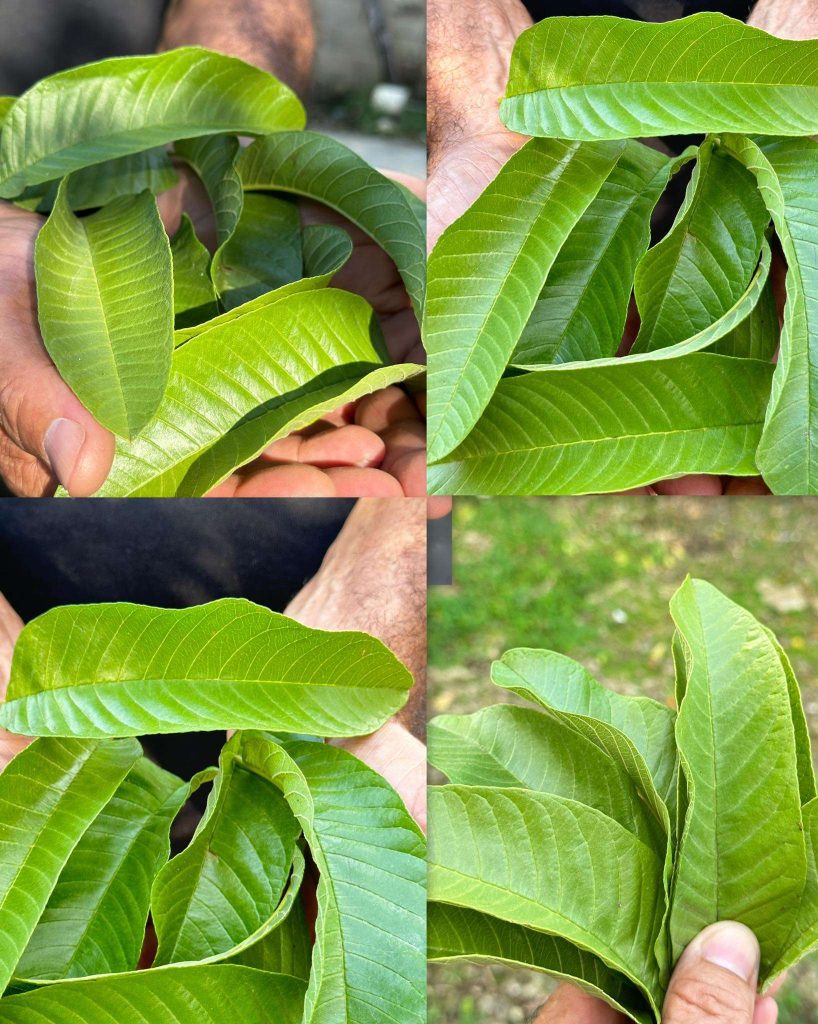
Guava leaves come from the Psidium guajava tree, a tropical plant native to Central America but now grown worldwide. The leaves are rich in antioxidants, flavonoids, tannins, and essential oils that give them their distinctive aroma and therapeutic properties. Unlike the sweet fruit, the leaves have a slightly bitter taste, which is why they are usually consumed as tea, extracts, or topical applications. Their versatility makes them a staple in many traditional medicine systems, including Ayurveda and herbalism.
1. Digestive Health Support 🧪
One of the most well-known benefits of guava leaves is their ability to soothe the digestive system. The leaves contain compounds like quercetin and tannins that have astringent and anti‑inflammatory properties. Drinking guava leaf tea can help relieve symptoms of diarrhea, stomach cramps, and bloating. A study published in the Journal of Ethnopharmacology found that guava leaf extract effectively reduced the frequency and severity of diarrhea in children.
Practical tip: Steep 3–5 fresh or dried guava leaves in a cup of hot water for 10 minutes. Drink this tea twice a day when you experience digestive discomfort. For best results, avoid adding sugar, as it can aggravate symptoms.
2. Blood Sugar Regulation 🩸
Guava leaves have shown promise in helping manage blood sugar levels, making them a valuable natural aid for people with diabetes or prediabetes. The leaves inhibit the absorption of sucrose and maltose in the body, which helps prevent spikes in blood glucose after meals. A study in Nutrition and Metabolism demonstrated that drinking guava leaf tea after meals significantly lowered post‑meal blood sugar levels.
Important note: If you are on diabetes medication, consult your doctor before adding guava leaf tea to your routine, as it may enhance the effects of your medication and cause hypoglycemia.
3. Immune System Booster 🛡️
Thanks to their high vitamin C content and potent antioxidants, guava leaves can strengthen your immune system. Vitamin C stimulates the production of white blood cells, which are your body's first line of defense against infections. The antioxidants in guava leaves also neutralize free radicals, reducing oxidative stress and inflammation.
How to use: Prepare a strong guava leaf decoction by boiling 10 leaves in 2 cups of water until reduced by half. Drink this warm once daily during cold and flu season. You can also add a teaspoon of honey to improve the taste.
4. Skin and Hair Health ✨
The antibacterial and anti‑inflammatory properties of guava leaves make them excellent for treating acne, wounds, and other skin conditions. Applying crushed guava leaves directly to pimples can reduce redness and swelling. For hair, guava leaf tea can be used as a rinse to strengthen hair follicles, reduce dandruff, and promote growth.
DIY face mask: Grind a handful of fresh guava leaves into a paste and mix with a tablespoon of yogurt. Apply to your face for 15 minutes, then rinse. This mask helps soothe irritated skin and unclog pores.
Hair rinse recipe: Boil 10 guava leaves in 1 liter of water for 20 minutes. Let it cool, strain, and use as a final rinse after shampooing. Repeat twice a week for healthier hair.
5. Oral Hygiene and Dental Care 🦷
Guava leaves have long been used to maintain oral health. Their antimicrobial activity helps combat the bacteria that cause plaque, gingivitis, and bad breath. Chewing fresh guava leaves or using a mouthwash made from the leaves can reduce gum inflammation and prevent cavities.
Simple mouthwash: Boil a handful of guava leaves in 2 cups of water for 15 minutes. Strain and let it cool. Use it to gargle twice daily. Do not swallow.
6. Weight Management Support ⚖️
If you are trying to lose or maintain weight, guava leaf tea can be a helpful addition to your diet. The tea is low in calories and can improve metabolism by aiding digestion and reducing the absorption of complex carbohydrates. Moreover, the astringent properties help reduce water retention.
Pro tip: Replace sugary drinks with unsweetened guava leaf tea. Drink a cup 30 minutes before meals to help control your appetite and support your weight loss goals.
7. Cardiovascular Health ❤️
Research suggests that guava leaves may benefit heart health by lowering LDL (bad) cholesterol and triglycerides while raising HDL (good) cholesterol. The leaves are rich in potassium, which helps regulate blood pressure. A study in Food Chemistry found that guava leaf extract reduced cholesterol levels in animal models.
Caution: While promising, more human studies are needed. Use guava leaf tea as a complementary approach alongside a balanced diet and regular exercise.
8. Anti‑Inflammatory and Pain Relief 💊
The flavonoids and other bioactive compounds in guava leaves have strong anti‑inflammatory effects. They can help alleviate pain associated with arthritis, muscle soreness, and even menstrual cramps. Applying a poultice of crushed guava leaves to the affected area can provide localized relief.
Poultice method: Crush fresh guava leaves into a paste, apply directly to the painful area, and cover with a clean cloth. Leave for 20 minutes. Repeat as needed.
How to Choose and Store Guava Leaves 🏪
For the best benefits, use fresh guava leaves from a healthy tree. If you don't have access to a tree, you can buy dried leaves online or at herbal stores. Fresh leaves can be stored in the refrigerator for up to a week. To dry them, spread the leaves in a single layer in a well‑ventilated area away from direct sunlight. Once fully dry, store them in an airtight container in a cool, dark place.
Quality check: Choose leaves that are deep green, free from spots or holes, and have a strong, characteristic smell. Avoid leaves that are yellowing or wilted.
Potential Side Effects and Precautions ⚠️
Guava leaves are generally safe for most people when used in moderate amounts. However, excessive consumption may cause constipation due to their astringent properties. Pregnant and breastfeeding women should consult a healthcare provider before using guava leaf products. Also, if you have a known allergy to guava or related plants, avoid using the leaves.
Always start with a small dose to see how your body reacts, especially if you are trying guava leaf tea for the first time.
Conclusion 🌟
Guava leaves are a remarkable natural resource that offers a wide range of health benefits, from improving digestion and regulating blood sugar to boosting immunity and enhancing skin health. By incorporating guava leaf tea, poultices, or rinses into your daily routine, you can tap into centuries of traditional wisdom backed by modern research. Remember that while guava leaves can support your wellness journey, they are not a substitute for professional medical advice or treatment. Use them wisely, listen to your body, and enjoy the gentle power of nature.
Final thought: Next time you enjoy a guava fruit, don't throw away the leaves! Dry them, brew them, and let their healing properties work for you. Your body will thank you. 🌿❤️
Deja una respuesta