BENEFITS OF GUAVA LEAVES
 Espanol
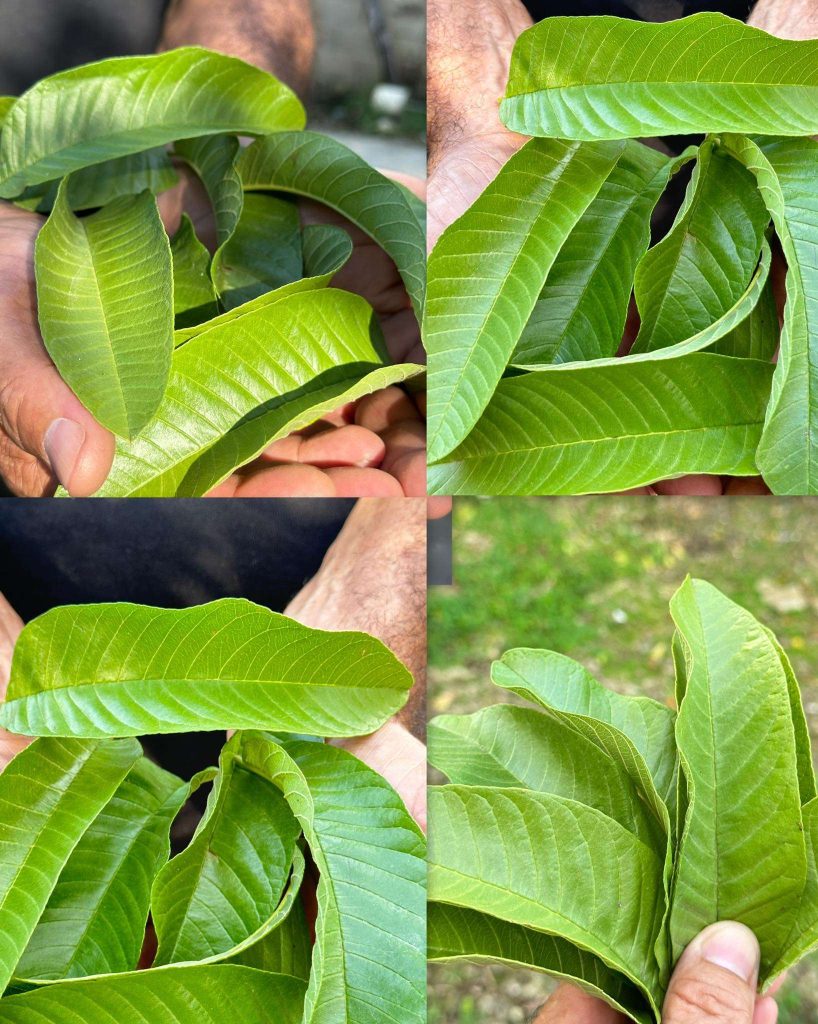
Guava leaves are far more than just the green canopy of a tropical fruit tree. For centuries, they have been used in traditional medicine across Asia, Africa, and Latin America to treat a wide range of ailments. Modern research is now catching up, confirming that these humble leaves pack a powerful punch of antioxidants, anti-inflammatory compounds, and bioactive nutrients. In this article, we will explore the scientifically backed benefits of guava leaves, from improving digestion to supporting healthy skin, and provide you with practical ways to incorporate them into your daily routine. Whether you are a health enthusiast or simply curious about natural remedies, this comprehensive guide will help you unlock the full potential of guava leaves.
Espanol
🌿 Nutritional Profile of Guava Leaves
Before diving into specific benefits, it is important to understand what makes guava leaves so effective. They are rich in vitamin C, flavonoids (such as quercetin), tannins, and essential oils. These compounds work synergistically to provide antioxidant, antimicrobial, and anti-inflammatory effects. A single serving of guava leaf tea can deliver a significant dose of these nutrients without any added sugars or artificial ingredients. The leaves also contain polyphenols that help neutralize free radicals, reducing oxidative stress at the cellular level.
🩺 Digestive Health Benefits
One of the most well-known uses of guava leaves is for digestive support. The leaves contain high levels of tannins, which have an astringent effect on the intestinal lining. This can help reduce diarrhea and soothe an upset stomach. A 2015 study published in the Journal of Ethnopharmacology found that guava leaf extract effectively inhibited the growth of E. coli and Staphylococcus aureus, two common causes of foodborne illness. For best results, drink a cup of guava leaf tea after meals or when experiencing mild digestive discomfort. Tip: To make the tea, steep 5–10 fresh or dried guava leaves in boiling water for 10 minutes, then strain and enjoy.
- Reduces diarrhea – Tannins help bind and firm up stools.
- Relieves stomach cramps – Anti-spasmodic properties ease intestinal contractions.
- Fights harmful bacteria – Natural antimicrobials support gut balance.
🛡️ Antioxidant and Anti‑inflammatory Properties
Chronic inflammation is linked to many modern diseases, including heart disease, arthritis, and even certain cancers. Guava leaves are packed with quercetin and vitamin C, both of which are powerful antioxidants that reduce inflammation throughout the body. A 2018 study in Nutrients showed that guava leaf extract significantly lowered markers of oxidative stress in human cells. Incorporating guava leaf tea into your daily routine can be a simple yet effective way to support your body's natural defense systems. Pro tip: Combine guava leaf tea with a pinch of turmeric for an extra anti‑inflammatory boost.
🍬 Blood Sugar Regulation
For individuals managing type 2 diabetes or prediabetes, guava leaves offer promising support. Research indicates that the leaves can inhibit alpha‑glucosidase, an enzyme that breaks down carbohydrates into glucose. By slowing this process, guava leaves help prevent sharp spikes in blood sugar after meals. A 2010 clinical trial published in Nutrition and Metabolism found that participants who drank guava leaf tea experienced a 10–15% reduction in post‑meal blood glucose levels compared to a control group. Important: Always consult your healthcare provider before using guava leaves as a complementary therapy, especially if you are on diabetes medication.
🦷 Oral Health and Gum Care
Your mouth is the gateway to your overall health, and guava leaves can play a valuable role in maintaining oral hygiene. The leaves possess strong antibacterial and anti‑plaque properties. Chewing on a few fresh guava leaves (or using a mouthwash made from the leaves) can help reduce gum inflammation, prevent cavities, and freshen breath. A 2014 study in the Journal of Dentistry found that guava leaf extract was as effective as commercial mouthwashes in reducing plaque buildup, without the harsh chemicals. DIY mouthwash recipe: Boil a handful of guava leaves in water for 15 minutes, let it cool, then use it as a rinse twice daily.
💆 Skin and Hair Care
Guava leaves are not just for internal use; they also work wonders on your skin and hair. The astringent tannins help tighten pores and reduce excess oil, making them excellent for acne‑prone skin. You can apply a paste of crushed guava leaves directly to pimples or use the cooled tea as a facial toner. For hair, the leaves are rich in vitamin B and iron, which strengthen hair follicles and may reduce hair loss. A simple rinse with guava leaf tea after shampooing can add shine and soothe an itchy scalp.
- Acne treatment – Apply crushed leaves as a spot treatment.
- Facial toner – Use cooled tea to tighten pores.
- Hair rinse – Strengthens roots and adds natural luster.
🍵 How to Use Guava Leaves: Practical Tips
To get the most out of guava leaves, follow these simple guidelines:
- Tea infusion: Steep 5–10 fresh or dried leaves in hot water for 5–10 minutes. Drink up to three cups per day.
- Topical application: Crush fresh leaves into a paste and apply to skin or gums. Leave on for 10–15 minutes before rinsing.
- Mouthwash: Boil leaves in water, strain, and use as a gargle. Store in the refrigerator for up to a week.
- Leaf powder: Dry leaves, grind them, and add a teaspoon to smoothies or soups for an extra nutrient boost.
- Caution: Start with small amounts to test for any allergic reactions. Pregnant or nursing women should consult a doctor before use.
💡 Conclusion: Unlock the Natural Power of Guava Leaves
Guava leaves are a versatile, affordable, and science‑backed addition to any wellness routine. From supporting digestive health and regulating blood sugar to enhancing oral hygiene and skin care, their benefits are both wide‑ranging and well‑documented. By incorporating guava leaves into your daily life—whether as a tea, a topical treatment, or a mouthwash—you can tap into centuries of traditional wisdom backed by modern research. Remember: While guava leaves are generally safe, they should complement, not replace, professional medical advice. Start with a simple cup of guava leaf tea today and experience the difference for yourself. Your body will thank you. 🌱
Deja una respuesta