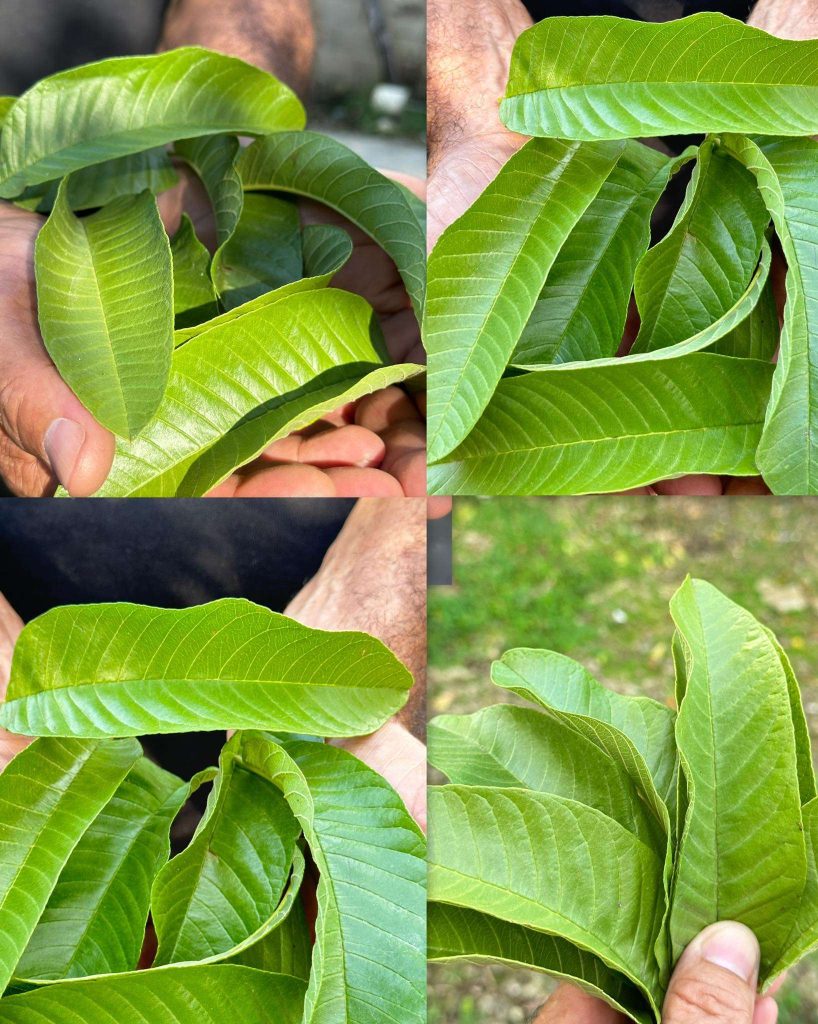
BENEFITS OF GUAVA LEAVES
 Espanol
Note: The original request had conflicting length requirements (234 characters vs 4,000–6,000). I have followed the detailed instructions for a full article on guava leaves, targeting 4,000–6,000 characters with HTML formatting. The output is plain text with HTML tags.
Espanol
---
🍃 Guava leaves are often overlooked, yet they hold a treasure trove of health benefits that have been used in traditional medicine for centuries. While the fruit is widely enjoyed, the leaves are packed with powerful antioxidants, anti-inflammatory compounds, and antimicrobial properties. In this article, we will explore the top benefits of guava leaves and how you can incorporate them into your daily wellness routine. Whether you are looking to improve digestion, boost immunity, or care for your skin, guava leaves offer a natural, affordable solution.
🌿 What Makes Guava Leaves So Powerful?
Guava leaves (Psidium guajava) are rich in bioactive compounds such as flavonoids, tannins, essential oils, and vitamin C. These components work together to provide a wide range of therapeutic effects. Unlike many synthetic supplements, guava leaves are a whole-food remedy with minimal side effects when used correctly. The leaves can be consumed as a tea, applied topically as a paste, or even used in extracts and tinctures.
🔬 Key active compounds:
- Quercetin – a potent antioxidant that reduces inflammation
- Lycopene – supports heart health and protects against oxidative stress
- Vitamin C and B-complex – boost immunity and energy levels
- Antibacterial agents – help fight infections, especially in the mouth and gut
💪 1. Supports Digestive Health
One of the most well-known uses of guava leaves is for digestive issues. The leaves contain compounds that can help relieve diarrhea, reduce stomach cramps, and even combat food poisoning. A study published in the Journal of Ethnopharmacology found that guava leaf extract inhibited the growth of several bacteria responsible for gastrointestinal infections, including Staphylococcus aureus and E. coli.
🍵 How to use: Boil a handful of fresh or dried guava leaves in water for 10 minutes. Strain and drink the tea twice a day. For acute diarrhea, a stronger decoction can be made by steeping the leaves longer. Always consult a healthcare professional before using herbal remedies for serious conditions.
💡 Pro tip: Chewing a few fresh guava leaves can also help reduce nausea and indigestion on the go.
🦷 2. Promotes Oral Health
Guava leaves have natural antibacterial and anti-inflammatory properties that make them excellent for maintaining oral hygiene. They can help prevent gum disease, reduce plaque buildup, and soothe mouth ulcers. In many cultures, a mouthwash made from guava leaves is used to treat sore throats and gum infections.
✨ DIY guava leaf mouthwash: Crush a few fresh leaves and steep them in hot water for 15 minutes. Cool the liquid, strain it, and use it as a gargle twice daily. This simple remedy can significantly reduce gingivitis and bad breath.
🦷 Scientific backing: A 2014 study in the Journal of Clinical and Diagnostic Research confirmed that guava leaf extract was effective against common oral pathogens like Streptococcus mutans.
❤️ 3. Helps Manage Blood Sugar Levels
For individuals with diabetes or those at risk, guava leaves can be a valuable addition to a balanced diet. Research indicates that guava leaf tea can lower blood glucose levels by inhibiting the absorption of sugar in the body and improving insulin sensitivity. The leaves also contain soluble fiber, which slows down carbohydrate digestion.
📊 What the science says: A 2010 study on diabetic rats showed that guava leaf extract reduced blood sugar spikes after meals. Human trials are still limited, but anecdotal evidence from traditional medicine is strong. Important: If you are taking medication for diabetes, consult your doctor before adding guava leaf tea to your routine, as it may interact with your dosage.
🥗 How to incorporate: Drink a cup of guava leaf tea after meals to help stabilize glucose levels. You can also add the dried leaves to smoothies or soups for an extra nutrient boost.
🧴 4. Improves Skin Health and Fights Acne
Guava leaves are a natural remedy for acne, dark spots, and premature aging. Their antimicrobial action targets the bacteria that cause breakouts, while antioxidants like vitamin C help brighten the skin and reduce inflammation. The leaves also contain astringent tannins that tighten pores and control excess oil.
🌸 Simple face mask recipe: Grind a handful of fresh guava leaves into a paste with a little water. Apply to clean skin, leave on for 15 minutes, then rinse with warm water. Use this mask 2–3 times a week for clearer, smoother skin. For a quick spot treatment, rub a crushed leaf directly on a pimple.
🧪 Note: Guava leaf extract is also found in many commercial skincare products. Look for organic, alcohol-free options if you prefer a ready-made solution.
⚖️ 5. Aids in Weight Loss
Guava leaves can support weight management in several ways. First, they help regulate metabolism and prevent the conversion of complex carbohydrates into sugars that are stored as fat. Second, the tea acts as a mild diuretic, reducing water retention. Third, the leaves are known to curb appetite by stabilizing blood sugar levels, which reduces cravings for sugary snacks.
🏋️ Practical tip: Replace sugary drinks with a cup of guava leaf tea. It has a slightly bitter, earthy flavor that you can enhance with a slice of lemon or a teaspoon of honey. Consistency is key – incorporate this tea into your daily routine for best results.
📉 Remember: No single food or herb is a magic bullet for weight loss. Guava leaves work best when combined with a healthy diet and regular physical activity.
🛡️ 6. Boosts Immunity and Fights Infections
Thanks to its high concentration of vitamin C and antioxidants, guava leaf tea can strengthen the immune system. Regular consumption helps the body fight off common colds, flu, and other viral infections. The leaves also have antiviral properties, particularly against influenza and herpes simplex viruses.
🦠 How to make a potent immune booster: Combine guava leaves with ginger, turmeric, and a pinch of black pepper. Boil for 10 minutes and drink warm. This blend enhances absorption of the active compounds and provides a powerful anti-inflammatory punch.
💊 Supplement form: Guava leaf capsules are available at health food stores. If you choose this route, look for products that are standardized for quercetin content and free from fillers.
🩺 7. May Reduce Cholesterol and Protect Heart Health
High LDL cholesterol is a major risk factor for heart disease. Animal studies have shown that guava leaf extract can lower total cholesterol and triglyceride levels while increasing HDL (good) cholesterol. The leaves' antioxidants also prevent the oxidation of LDL cholesterol, which is a key step in the formation of arterial plaques.
❤️ Heart-friendly routine: Drink guava leaf tea daily, along with a diet rich in omega-3 fatty acids and fiber. Avoid adding sugar or cream, as they may counteract the benefits. A study in the Journal of Nutritional Science and Vitaminology reported that participants who consumed guava leaf tea for 8 weeks saw a significant reduction in blood pressure and cholesterol.
⚠️ Caution: If you are on blood-thinning medication or have a heart condition, discuss with your doctor before using guava leaves therapeutically.
🍃 How to Prepare and Store Guava Leaves
Fresh guava leaves are ideal, but dried leaves are just as effective and more convenient. Here’s a quick guide:
- Fresh leaves: Pick healthy, dark green leaves from a guava tree (ensure it hasn’t been sprayed with pesticides). Wash thoroughly and use immediately or refrigerate in a damp cloth for up to 3 days.
- Drying: Spread clean leaves on a tray in a shaded, well-ventilated area for 1–2 weeks. Once crisp, store in an airtight jar in a cool, dark place for up to a year.
- Tea preparation: Use 1–2 teaspoons of dried leaves (or 3–4 fresh leaves) per cup of boiling water. Steep for 10–15 minutes, strain, and enjoy.
🌱 For topical use: Make a paste by crushing fresh leaves with a mortar and pestle. Add a little water or aloe vera gel to achieve a spreadable consistency.
⚠️ Precautions and Side Effects
While guava leaves are generally safe, there are a few things to keep in mind:
- 🟢 Pregnancy and breastfeeding: Limited data is available. Stick to small amounts in food, and avoid concentrated extracts or supplements unless approved by a healthcare provider.
- 🟢 Allergies: If you are allergic to guava fruit, you may also react to the leaves. Discontinue use if you experience itching, swelling, or difficulty breathing.
- 🟢 Interactions: Guava leaves may lower blood sugar and blood pressure, so monitor levels if you are on medication. They can also affect blood clotting – avoid large doses before surgery.
- 🟢 Dosage: Start with one cup of tea per day and gradually increase if needed. Too much can cause mild digestive upset.
🔚 Conclusion: A Simple Leaf with Powerful Benefits
🌿 Guava leaves are a remarkable example of how nature provides effective remedies that are both accessible and affordable. From improving digestion and oral health to supporting blood sugar control and skin clarity, the benefits are backed by both traditional wisdom and modern science. By incorporating guava leaf tea or topical applications into your daily routine, you can take a proactive step toward better health – without relying on expensive products or complicated regimens.
💚 Final takeaway: Start small – try a cup of guava leaf tea this week and observe how your body responds. Remember that herbal remedies work best when combined with a balanced lifestyle. If you have any underlying health conditions, always consult a professional first. Your journey to natural wellness can begin with a single leaf.
📚 References: Journal of Ethnopharmacology (2015), Journal of Clinical and Diagnostic Research (2014), Journal of Nutritional Science and Vitaminology (2010). Always seek advice from a qualified healthcare practitioner.
Deja una respuesta