BENEFITS OF GUAVA LEAVES
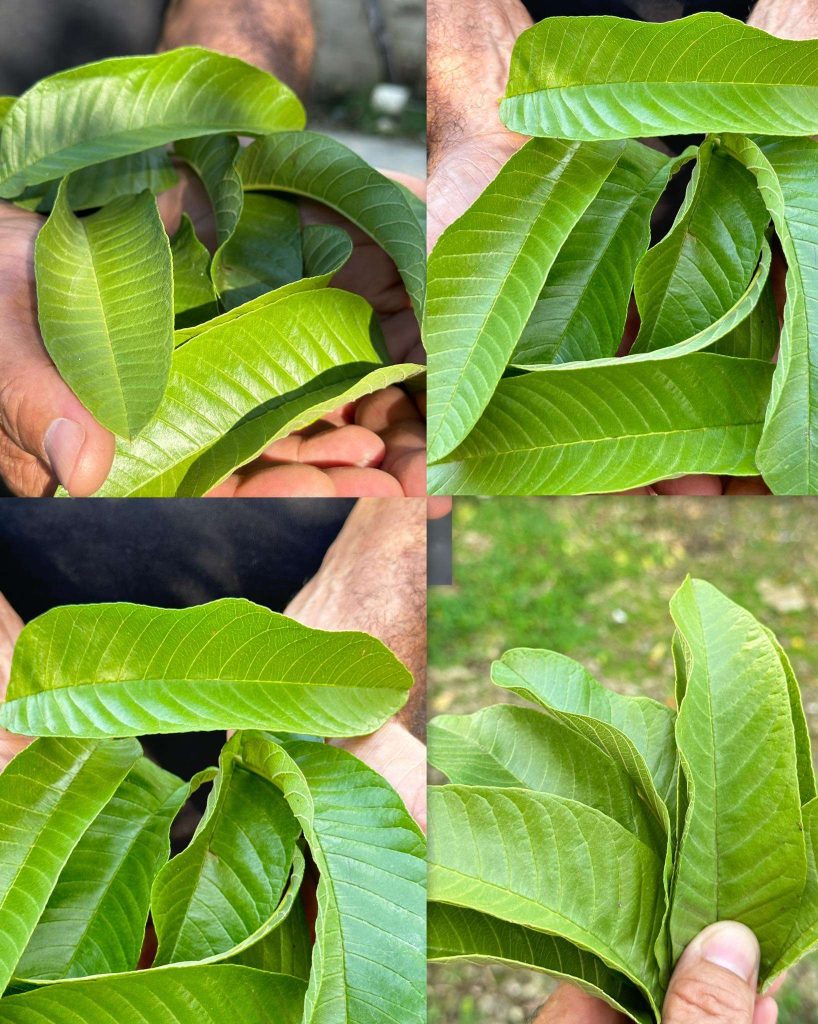
 Espanol
🌿 Discover the Remarkable Benefits of Guava Leaves: Nature’s Hidden Wellness Treasure 🌿
Espanol
When you think of guava, your mind likely jumps to the sweet, tropical fruit. But did you know that the leaves of the guava tree (Psidium guajava) have been used for centuries in traditional medicine across Asia, Africa, and Latin America? Packed with powerful antioxidants, anti-inflammatory compounds, and antimicrobial agents, guava leaves offer a wide range of health benefits that modern science is only beginning to confirm. In this article, we will explore the most compelling reasons to incorporate guava leaves into your wellness routine — from improving digestion to supporting heart health and even enhancing skin appearance. Whether you are a health enthusiast or simply curious about natural remedies, this guide will provide you with practical, evidence‑based insights. Let’s unlock the full potential of this humble leaf! 🍃
🌱 Nutritional Profile of Guava Leaves
Guava leaves are a rich source of bioactive compounds. They contain high levels of vitamin C, flavonoids (such as quercetin), tannins, and essential oils like eugenol and caryophyllene. These substances work synergistically to deliver antioxidant and anti‑inflammatory effects. Unlike many commercial supplements, guava leaves provide a natural, whole‑food approach to wellness. The leaves also boast significant amounts of polyphenols, which help neutralize free radicals and reduce oxidative stress — a key factor in aging and chronic disease. 🌿
💪 Top Health Benefits of Guava Leaves
1. 🌿 Digestive Health and Gut Support
One of the most celebrated uses of guava leaf tea is for relieving diarrhea and stomach discomfort. The tannins in the leaves have astringent properties that can tighten intestinal mucosa and reduce excessive fluid secretion. Studies have shown that guava leaf extract can inhibit the growth of harmful bacteria like E. coli and Salmonella, while promoting the growth of beneficial gut flora. For those suffering from indigestion, bloating, or irritable bowel syndrome, a warm cup of guava leaf tea can be a gentle, effective remedy. Tip: Steep 2–3 dried guava leaves in boiling water for 10 minutes, strain, and drink twice daily for best results. 🫖
2. 🩺 Blood Sugar Management
Emerging research suggests that guava leaves may play a role in regulating blood glucose levels. Compounds in the leaves inhibit the activity of alpha‑glucosidase and alpha‑amylase, enzymes that break down carbohydrates into sugar. This slows the absorption of glucose into the bloodstream, helping to prevent post‑meal spikes. A 2021 clinical trial found that participants who consumed guava leaf tea before meals experienced significantly lower blood sugar levels compared to a control group. Important: If you are on diabetes medication, consult your healthcare provider before adding guava leaves to your regimen, as it may enhance the effects of your drugs. 🩸
3. ❤️ Cardiovascular Protection
Guava leaves are rich in potassium and antioxidants that support heart health. Potassium helps lower blood pressure by relaxing blood vessel walls, while flavonoids reduce LDL (“bad”) cholesterol oxidation — a key trigger for atherosclerosis. Regular consumption of guava leaf tea has been associated with improved lipid profiles and reduced risk of heart disease. In one animal study, guava leaf extract lowered total cholesterol and triglycerides by up to 20%. While more human studies are needed, these findings are promising for anyone looking to maintain a healthy heart naturally. 💓
4. 🛡️ Antimicrobial and Immune‑Boosting Properties
Guava leaves have demonstrated strong antibacterial, antiviral, and antifungal activity. Traditional healers have long used guava leaf poultices on wounds to prevent infection, and modern research confirms that extracts can kill common pathogens like Staphylococcus aureus and Candida albicans. When taken internally, the leaves may help strengthen the immune system by stimulating the production of white blood cells. During cold and flu season, sipping guava leaf tea can be a valuable addition to your defense arsenal. 🦠
5. 🌸 Skin and Hair Benefits
The anti‑inflammatory and astringent qualities of guava leaves make them excellent for topical skin care. Applying cooled guava leaf tea to acne‑prone areas can reduce redness, swelling, and bacterial growth. The leaves are also used in hair rinses to combat dandruff and strengthen hair follicles. Simply boil a handful of fresh leaves, let the water cool, and use it as a final rinse after shampooing. Many natural beauty enthusiasts report shinier, healthier hair after just a few weeks of use. ✨
🍵 How to Use Guava Leaves: Practical Tips
Incorporating guava leaves into your daily life is simple and affordable. Here are three proven methods:
- Guava Leaf Tea – The most popular method. Use 3–4 fresh or dried leaves per cup of hot water. Steep for 10–15 minutes, then strain. Add honey or lemon for taste. Drink 1–2 cups daily.
- Topical Paste – Crush fresh guava leaves into a fine paste and apply directly to skin irritations, insect bites, or minor wounds. Leave on for 15 minutes, then rinse with cool water.
- Infused Oil – For hair or scalp treatments, infuse guava leaves in coconut or olive oil for 2–3 weeks. Use the oil as a pre‑wash treatment or scalp massage.
Pro tip: Always wash fresh leaves thoroughly to remove any pesticides. If using dried leaves, purchase from reputable organic sources. 🛒
⚠️ Precautions and Considerations
While guava leaves are generally safe for most people, there are a few important points to keep in mind:
- Pregnancy and breastfeeding: Limited data exists, so it’s best to avoid medicinal doses. Occasional use in tea is likely safe, but consult your doctor.
- Drug interactions: Guava leaves may lower blood pressure and blood sugar. If you take medications for hypertension or diabetes, monitor your levels closely.
- Allergies: Although rare, some individuals may be allergic to plants in the Myrtaceae family. Discontinue use if you experience itching, swelling, or difficulty breathing.
- Excessive consumption: Overconsumption of guava leaf tea (more than 4–5 cups per day) may cause constipation due to the high tannin content. Moderation is key. 🧘
🌿 Conclusion: Embrace the Power of Guava Leaves
From soothing an upset stomach to supporting heart health and glowing skin, guava leaves are a versatile, natural remedy that deserves a place in your wellness toolkit. Their potent antioxidant and antimicrobial properties make them a valuable ally in today’s world of processed foods and environmental toxins. Whether you choose to enjoy them as a comforting tea, a topical treatment, or an infused oil, the benefits are backed by both tradition and emerging science. Start small — try a cup of guava leaf tea each morning for a week and notice how your body responds. As always, listen to your body and consult a healthcare professional for personalized advice. Nature has provided us with incredible resources; guava leaves are just one of them. Here’s to your health! 🥂🌱
Deja una respuesta