BENEFITS OF GUAVA LEAVES
 Espanol
BENEFITS OF GUAVA LEAVES
Espanol
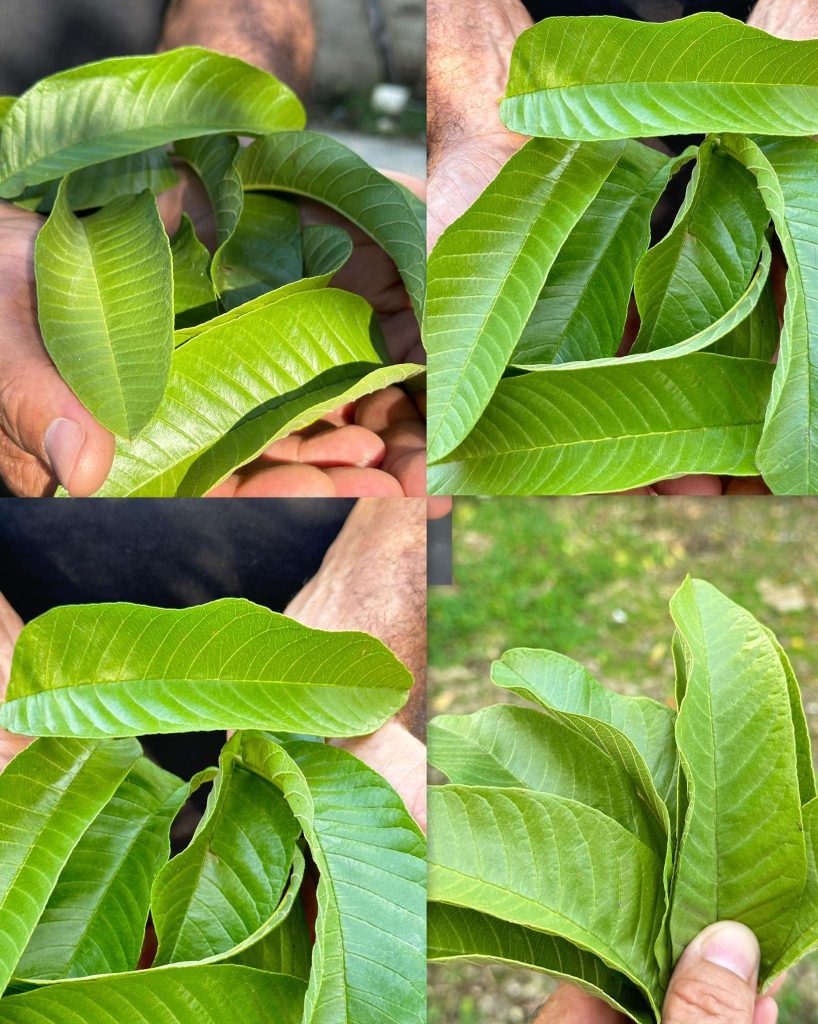
🌿 When we think of guava, the sweet, tropical fruit often comes to mind. But did you know that the leaves of the guava tree (Psidium guajava) are packed with powerful compounds that have been used for centuries in traditional medicine? From boosting digestive health to supporting blood sugar control, guava leaves are a natural treasure you can easily incorporate into your daily routine. In this article, we will explore the science-backed benefits of guava leaves, practical ways to use them, and why they deserve a place in your wellness arsenal. Whether you are new to herbal remedies or a seasoned enthusiast, you will find valuable insights here. Let’s dive in! 🌱
1. Rich in Antioxidants and Immune-Boosting Compounds 🛡️
Guava leaves are loaded with antioxidants such as flavonoids, tannins, and phenolic compounds. These substances help neutralize free radicals in the body, reducing oxidative stress and lowering the risk of chronic diseases. One of the standout compounds is quercetin, which has anti-inflammatory and antihistamine properties. Regular consumption of guava leaf tea can strengthen your immune system, making you more resilient against common infections like colds and flu. 🍵
Additionally, the high vitamin C content in guava leaves (even higher than in the fruit itself) supports collagen production and skin health. Studies have shown that guava leaf extract can inhibit the growth of harmful bacteria, including Staphylococcus aureus and E. coli, making it a natural antimicrobial agent. To get the most out of these benefits, consider brewing a cup of guava leaf tea daily or using the leaves in a steam inhalation for respiratory relief.
2. Supports Digestive Health and Relieves Stomach Issues 🫃
One of the most well-known traditional uses of guava leaves is for digestive problems. The leaves contain antispasmodic compounds that relax the muscles of the intestines, helping to relieve diarrhea, bloating, and abdominal cramps. A 2010 study published in the Journal of Ethnopharmacology confirmed that guava leaf extract significantly reduced the frequency and duration of diarrhea in animal models. For mild cases, drinking guava leaf tea can provide quick relief without the side effects of pharmaceutical drugs.
Moreover, the leaves have prebiotic properties that promote the growth of beneficial gut bacteria. This helps maintain a healthy microbiome, which is crucial for digestion, nutrient absorption, and even mental health. If you suffer from irritable bowel syndrome (IBS) or indigestion, adding guava leaves to your diet may help soothe inflammation and regulate bowel movements. Pro tip: Chew a few fresh, washed guava leaves for 2–3 minutes after meals to stimulate digestion and freshen your breath. 😁
3. Helps Regulate Blood Sugar Levels 🩸
For individuals managing diabetes or prediabetes, guava leaves offer a natural way to support glucose control. Research indicates that compounds in guava leaves, such as avicularin and psidiolic acid, inhibit the absorption of sugar from the intestines and improve insulin sensitivity. A study involving diabetic rats showed that guava leaf extract reduced blood sugar spikes after meals. While human studies are still limited, anecdotal evidence and preliminary data are promising.
To incorporate this benefit, drink guava leaf tea without added sweeteners about 30 minutes before meals. You can also take standardized guava leaf supplements (available in capsules or tinctures), but always consult your healthcare provider first, especially if you are on medication. Important: Guava leaves should not replace prescribed diabetes treatments, but they can be a supportive addition to a balanced diet and exercise routine. 🩺
4. Anti-Inflammatory and Pain-Relieving Properties 🔥
Chronic inflammation is linked to many health issues, including arthritis, heart disease, and autoimmune conditions. Guava leaves are rich in anti-inflammatory agents like flavonoids and tannins that can reduce swelling and pain. Traditional healers often use crushed guava leaves as a poultice on wounds, insect bites, or joint pain to speed healing and reduce discomfort.
Modern studies support these uses: a 2017 study found that guava leaf extract inhibited pro-inflammatory enzymes such as COX-2, similar to how NSAID pain relievers work, but with fewer side effects. For topical relief, make a paste by grinding fresh guava leaves with a little water and apply it to sore muscles or inflamed skin. For internal inflammation, drinking the tea regularly can help manage conditions like gout or rheumatoid arthritis. 🦵
5. Promotes Healthy Skin and Hair 🌸
Guava leaves are a boon for beauty enthusiasts. Their astringent and antibacterial properties make them excellent for treating acne, blemishes, and oily skin. Applying cooled guava leaf tea to the face with a cotton ball can tighten pores, reduce excess sebum, and calm inflammation. The leaves also contain lycopene, an antioxidant that protects skin from UV damage and premature aging.
For hair care, a rinse made from boiled guava leaves can strengthen hair follicles, reduce dandruff, and promote growth. The leaves' antimicrobial action helps combat scalp infections, while the vitamins nourish the roots. Try this: Boil a handful of guava leaves in 2 cups of water for 10 minutes, let it cool, strain, and use it as a final rinse after shampooing. Your hair will feel softer and look shinier over time. 💁♀️
6. How to Use Guava Leaves Safely and Effectively 🧪
Guava leaves are generally safe when used in moderation, but there are a few guidelines to follow. Tea: Steep 5–10 dried or fresh leaves in boiling water for 5–7 minutes. Drink 1–2 cups daily. Tincture: Follow the manufacturer's dosage. Topical: Always test a small patch of skin first to rule out irritation. Cautions: Pregnant or breastfeeding women should consult a doctor before using guava leaf products. Also, because guava leaves can lower blood sugar, monitor your levels closely if you have diabetes. Avoid excessive consumption, as it may cause constipation in some individuals.
You can find fresh guava leaves at Asian or Latin grocery stores, or order dried leaves online. If you have a guava tree at home, simply pick young, tender leaves and wash them thoroughly. Store dried leaves in an airtight container away from sunlight. 🌿
Conclusion: Embrace the Power of Guava Leaves 🌟
Guava leaves are a versatile, affordable, and natural remedy that can benefit your digestive system, blood sugar, immune health, inflammation, and even your skin and hair. Backed by both traditional wisdom and emerging scientific research, they are a simple addition to a healthy lifestyle. Whether you sip them as tea, apply them topically, or use them as a supplement, guava leaves offer a gentle yet effective way to enhance your well-being.
Remember, consistency is key—incorporate them into your routine and observe the positive changes over time. As with any natural remedy, listen to your body and seek professional advice when needed. Now that you know the many benefits, why not start with a warm cup of guava leaf tea today? Your body will thank you. 🍃💚
Disclaimer: This article is for informational purposes only and does not substitute medical advice. Always consult a qualified healthcare provider before starting any new health regimen.
Deja una respuesta