Benefits of Guava Leaves
 Espanol
Espanol
Unlocking Nature's Pharmacy: The Remarkable Benefits of Guava Leaves 🌿
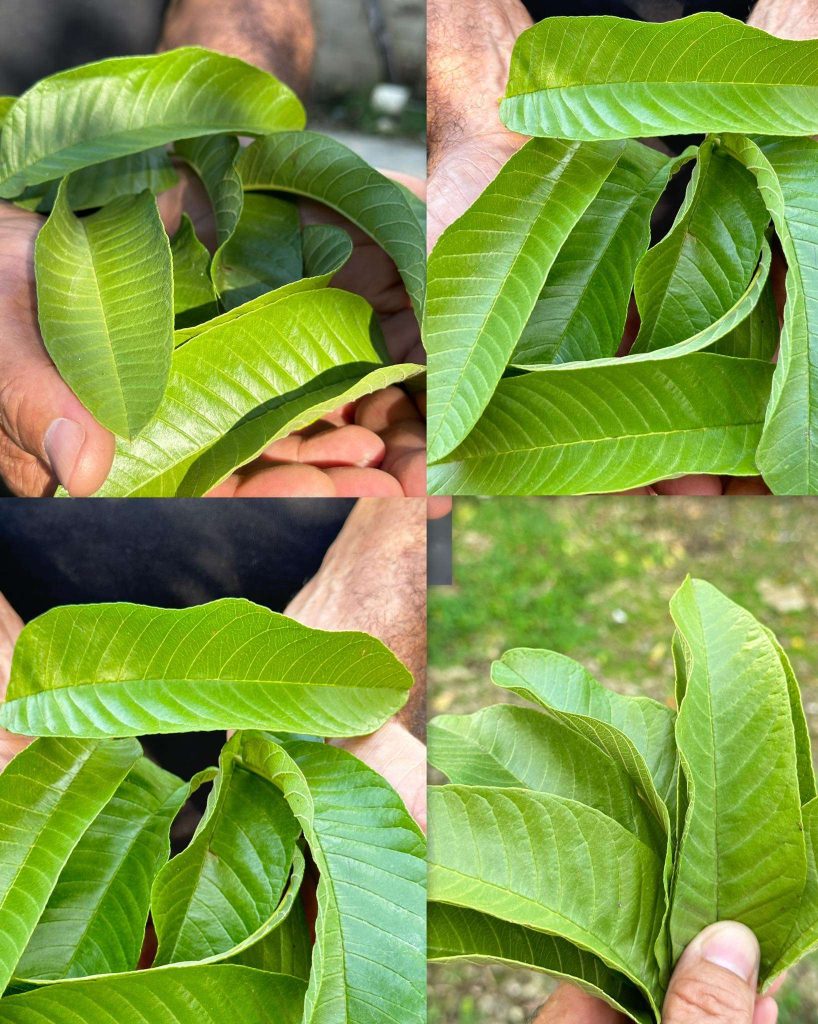
Often overshadowed by its sweet, tangy fruit, the humble guava tree (Psidium guajava) holds a secret in its vibrant green foliage. For centuries, guava leaves have been a cornerstone in traditional medicine across tropical regions, and modern science is now catching up, validating their impressive health-promoting properties. This article delves deep into the proven benefits of guava leaves, moving beyond superficial claims to offer you a comprehensive, practical guide on how this natural remedy can enhance your well-being. From managing blood sugar to rejuvenating your skin, discover why you should look at the guava tree with new appreciation.
Beyond the Fruit: A Powerhouse of Bioactive Compounds 🔬
Guava leaves are rich in potent antioxidants like quercetin, flavonoids, and vitamin C, alongside anti-inflammatory and antimicrobial compounds such as tannins. This unique phytochemical profile is responsible for their wide-ranging therapeutic effects. Unlike the fruit, the leaves offer a concentrated, low-sugar source of these beneficial elements, making them an excellent addition to a health-conscious lifestyle.
Key Health Benefits Explored
1. A Friend to Your Digestive System 🤢➡️😊
Guava leaf tea is a renowned remedy for various gastrointestinal issues. Its strong antibacterial properties can help combat harmful gut bacteria like Salmonella and E. coli, reducing the risk of food poisoning. More notably, the leaves contain compounds that inhibit the secretion of acetylcholine, a neurotransmitter that triggers intestinal contractions. This can provide significant relief from diarrhea, stomach cramps, and irritable bowel syndrome (IBS). Practical Tip: For acute diarrhea, boil 30 grams of cleaned leaves in 1-2 cups of water for 15 minutes, strain, and drink once cooled.
2. Supporting Balanced Blood Sugar Levels 📊
This is one of the most researched and promising benefits. Studies indicate that guava leaf extract can help improve insulin resistance and lower blood glucose levels. The compounds in the leaves inhibit certain enzymes that convert carbohydrates into glucose in the bloodstream (like alpha-glucosidase), leading to a slower and more manageable absorption of sugar. For those managing type 2 diabetes or pre-diabetes, drinking guava leaf tea after meals may be a beneficial supportive practice. However, it is crucial to consult with a healthcare provider before using it as a complement to prescribed medication.
3. Boosting Heart Health ❤️
The dual action of guava leaves benefits cardiovascular health. First, the high potassium and soluble fiber content help regulate blood pressure by improving sodium excretion and reducing arterial stiffness. Second, the antioxidants help prevent the oxidation of LDL ("bad") cholesterol, a key step in the formation of arterial plaque. Regular consumption of the tea may contribute to a healthier lipid profile and reduced risk of atherosclerosis.
4. An Ally for Weight Management ⚖️
Guava leaves can support weight loss efforts in several ways. They prevent complex starches from being converted into sugars, reducing calorie absorption. Furthermore, the tea is naturally caffeine-free and can promote a feeling of fullness. Replacing high-calorie sugary drinks with a cup of unsweetened guava leaf tea is a simple, effective swap for a weight management plan.
5. Enhancing Skin and Hair Health ✨
The antimicrobial and anti-inflammatory properties make guava leaves excellent for topical application. A cooled guava leaf decoction can be used as a facial toner to combat acne, reduce redness, and minimize the appearance of wrinkles. For hair, rinsing with guava leaf water is believed to strengthen hair follicles, prevent hair loss, and combat dandruff. Practical Tip: Crush fresh leaves into a paste with a little water and apply directly to affected acne spots for a targeted treatment.
How to Incorporate Guava Leaves into Your Routine
Harnessing these benefits is simple and cost-effective. You can use fresh, organic leaves or dried leaves available in herbal shops.
- Tea/Decoction: The most common method. Wash 5-10 fresh leaves (or 1 tbsp dried). Boil in 2 cups of water for 10-15 minutes. Strain and enjoy. You can drink it warm or cold. Add a hint of honey or lemon if desired, but avoid sugar to maximize benefits.
- Topical Application: Prepare a stronger decoction (more leaves, longer boil), let it cool completely, and use it as a skin toner, hair rinse, or for washing minor wounds.
- Supplement Form: Guava leaf extract is available in capsule or tincture form. Always choose reputable brands and follow dosage instructions.
Important Note: While generally safe, start with small amounts to see how your body reacts. Pregnant or breastfeeding women and individuals on medication (especially for diabetes or blood thinning) should consult a doctor first.
Conclusion: A Leaf Worth Embracing 🌱
Guava leaves are far more than just tree foliage; they are a testament to nature's profound ability to provide healing and support. From offering digestive relief and blood sugar support to promoting radiant skin and a healthier heart, the evidence-backed benefits are compelling. By integrating guava leaf tea or topical treatments into your routine, you are tapping into an ancient, natural wisdom that complements modern wellness practices. We encourage you to explore this readily available resource—brew a cup, observe the benefits for yourself, and take a simple, natural step towards enhanced health. Your journey with this powerful plant may just be the refreshing change your routine needs.
Deja una respuesta