Benefits of Guava Leaves
 Espanol
Espanol
Espanol
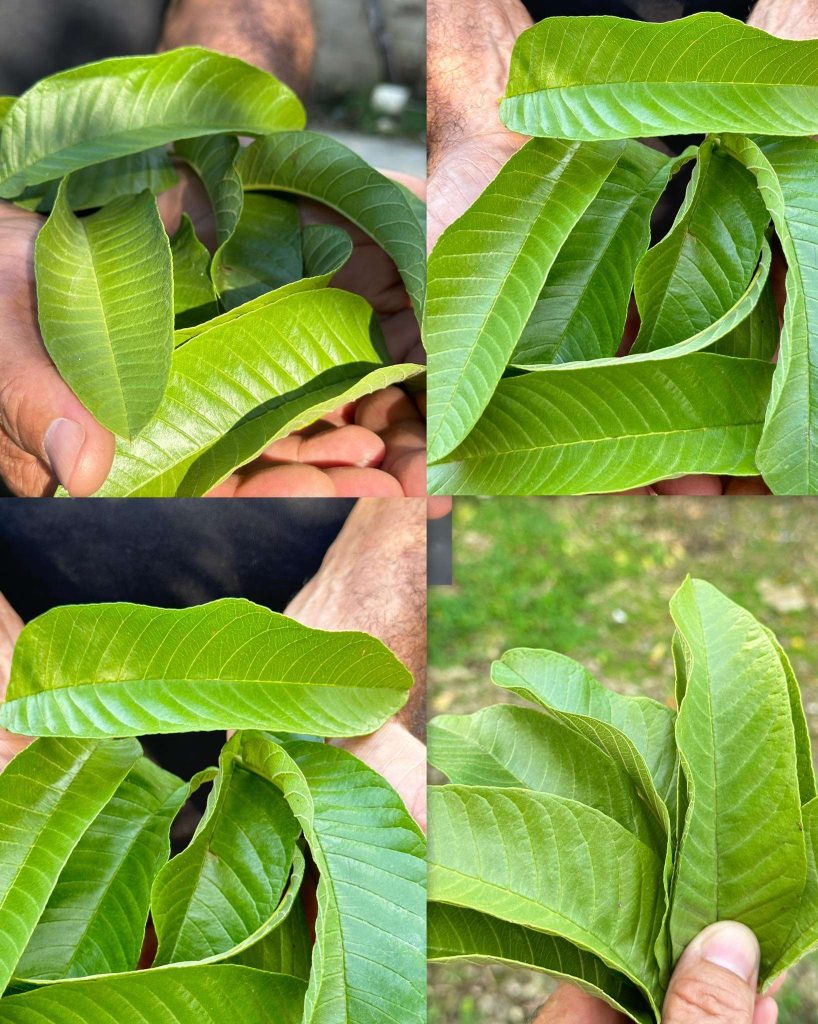
Often overshadowed by its sweet, fragrant fruit, the humble guava leaf is a powerhouse of wellness waiting to be discovered in your own backyard or local market. 🌿 While the guava fruit enjoys global fame, its leaves have been a cornerstone of traditional medicine for centuries, particularly in tropical regions. This article delves deep into the science-backed and traditionally celebrated benefits of guava leaves, transforming them from mere foliage into a valuable natural remedy for your health toolkit.
Unlocking the Nutritional Powerhouse: What's Inside? 🧪
Before exploring the benefits, it's crucial to understand what makes guava leaves so special. They are densely packed with potent bioactive compounds, including powerful antioxidants like quercetin and flavonoids, anti-inflammatory agents such as tannins, and essential vitamins like Vitamin C and Vitamin A. This rich phytochemical profile is responsible for their wide-ranging therapeutic effects, offering a natural, holistic approach to health.
Top Health Benefits of Guava Leaves Explored
The applications of guava leaves are remarkably diverse, impacting everything from metabolic health to skin vitality. Let's explore the most significant benefits in detail.
1. A Friend to Your Digestive System 🤢➡️😊
Guava leaves are renowned for their gastro-protective properties. Their antimicrobial and anti-inflammatory compounds can help combat harmful gut bacteria like Staphylococcus aureus and E. coli, which are often responsible for food poisoning and digestive discomfort. More notably, the leaves have strong anti-diarrheal effects. The tannins present help to inhibit certain microbial enzymes and reduce intestinal inflammation, leading to firmer stools and less frequent bowel movements. A simple tea made from boiled leaves can be a soothing, natural remedy for an upset stomach.
2. Blood Sugar Regulation and Diabetes Support 📉
This is one of the most researched and promising benefits. Studies indicate that guava leaf extract can help improve insulin resistance and lower blood sugar levels. The compounds in the leaves inhibit the absorption of certain types of sugars (like sucrose and maltose) in the intestine, preventing post-meal blood sugar spikes. For individuals with prediabetes or managing type 2 diabetes, incorporating guava leaf tea may be a beneficial complementary practice, though it should never replace prescribed medication without consulting a doctor. 💊
3. Boosting Heart Health ❤️
Heart health gets a multi-faceted boost from guava leaves. The high potassium content helps regulate blood pressure by counteracting the effects of sodium and easing tension in blood vessel walls. Furthermore, the leaves may help improve the balance of blood lipids by reducing "bad" LDL cholesterol and triglycerides while raising "good" HDL cholesterol. This combined effect on blood pressure and cholesterol contributes to a lowered risk of atherosclerosis and related cardiovascular diseases.
4. Enhancing Skin Health and Fighting Aging ✨
The high antioxidant load in guava leaves fights free radicals, the unstable molecules that cause oxidative stress and accelerate skin aging. Applying a cooled guava leaf decoction or paste to the skin can help treat acne, thanks to its antimicrobial and anti-inflammatory properties. It can also soothe skin irritations, reduce the appearance of wrinkles, and improve overall skin texture. Think of it as a detoxifying and toning treatment from nature's own pharmacy.
5. Supporting Weight Management Goals ⚖️
Guava leaves can be a helpful ally in a weight management journey. By preventing the conversion of complex carbohydrates into usable sugars, the leaves may help reduce the body's urge to store unused sugars as fat. Additionally, drinking guava leaf tea, which is naturally calorie-free, can promote a feeling of fullness and aid hydration, potentially reducing overall calorie intake.
6. Oral Health Guardian 🦷
Thanks to their potent anti-inflammatory and antimicrobial abilities, guava leaves are excellent for oral care. They can relieve the pain and inflammation of toothaches, soothe bleeding gums, and combat the bacteria that cause plaque and bad breath. Chewing on a tender, washed leaf or using a leaf-infused water as a mouthwash are traditional practices for maintaining a healthy mouth.
How to Incorporate Guava Leaves into Your Routine: Practical Tips
Reaping these benefits is simple and cost-effective. The most common method is to prepare a tea or decoction.
- 🫖 Guava Leaf Tea: Wash 5-10 fresh, organic leaves (or use 1 tablespoon of dried leaves). Boil them in 1-2 cups of water for about 10 minutes. Strain and enjoy the earthy, slightly bitter tea. You can add a dash of honey or lemon for taste.
- 🛁 Topical Use: For skin or hair rinses, prepare a stronger decoction by boiling a larger handful of leaves, let it cool completely, and then apply.
- ⚠️ Important Precautions: Always start with small amounts to see how your body reacts. Pregnant or breastfeeding women and individuals on medication (especially for diabetes or blood thinning) should consult a healthcare professional before regular use.
Conclusion: A Leaf of Remarkable Potential
From aiding digestion and regulating blood sugar to protecting your heart and enhancing your skin, the benefits of guava leaves are both vast and impressive. 🍃 This natural remedy stands as a testament to the idea that sometimes the most powerful solutions are found not in complex synthetics, but in the simplicity of nature. While not a magic bullet or a substitute for professional medical advice, guava leaves offer a supportive, holistic addition to a healthy lifestyle. We encourage you to explore this traditional wisdom—brew a cup of guava leaf tea and experience a touch of natural wellness, one sip at a time.
Deja una respuesta