Benefits of Guava Leaves
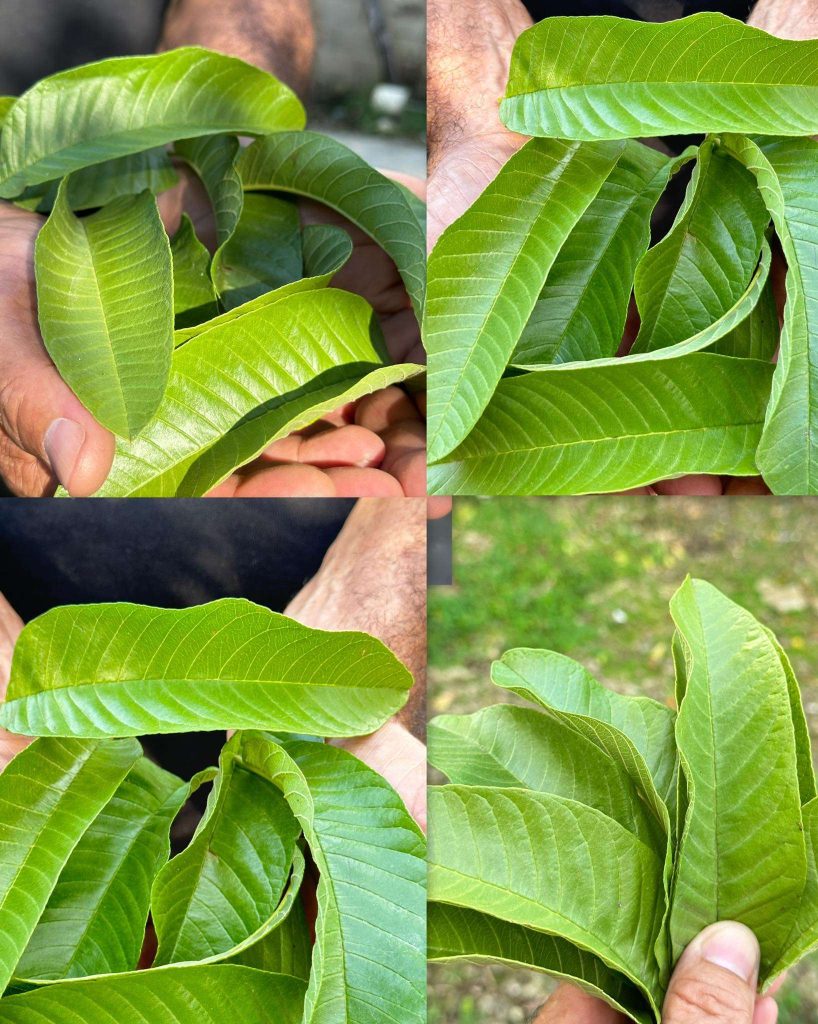
🌿 Introduction: The Hidden Powerhouse in Your Backyard
 Espanol
When we think of guava, our minds often jump to the sweet, tangy fruit packed with vitamin C. However, the true hidden gem of the Psidium guajava tree might just be its leaves. 🌳 For centuries, traditional medicine systems across the globe have harnessed the power of guava leaves for a wide array of health benefits, and modern science is now catching up, validating many of these ancient uses. This article delves deep into the remarkable advantages of incorporating guava leaves into your wellness routine, offering practical guidance on how to unlock their potential. From managing blood sugar to enhancing skin health, prepare to discover why this humble leaf deserves a prominent place in your natural health toolkit.
Espanol
💊 A Treasure Trove of Bioactive Compounds
Guava leaves are not just simple foliage; they are a dense source of powerful bioactive substances. They contain potent antioxidants like quercetin, flavonoids, and carotenoids, which combat oxidative stress and inflammation in the body. Furthermore, they are rich in beneficial tannins and essential oils like cineole. These compounds work synergistically, making the leaf more than the sum of its parts. The high concentration of these phytochemicals is the foundational reason behind the leaf's broad therapeutic profile. Scientific studies have isolated these compounds to understand their mechanisms, confirming that traditional wisdom had a firm basis in observable, positive effects on health.
🩸 Blood Sugar Regulation and Diabetes Support
One of the most well-researched benefits of guava leaves is their positive impact on blood glucose levels. Compounds in the leaves inhibit the absorption of certain types of sugars in the intestine, such as maltose and sucrose. More importantly, they appear to improve insulin sensitivity and resistance. Drinking guava leaf tea after meals may help prevent sharp spikes in blood sugar. 🫖 Several clinical studies have shown promising results in both prediabetic and type 2 diabetic individuals. While it is not a replacement for prescribed medication, it can be an excellent complementary dietary strategy under medical supervision. Consistency is key for observing these metabolic benefits.
❤️ Cardiovascular and Digestive Wellness
The benefits of guava leaves extend to the heart and gut. Their antioxidant and anti-inflammatory properties contribute to lowering "bad" LDL cholesterol and triglycerides while supporting "good" HDL cholesterol. This action promotes healthier blood pressure and reduces the risk of atherosclerosis. For digestion, the leaves are a boon. Their antimicrobial and anti-spasmodic properties can alleviate symptoms of diarrhea, food poisoning, and upset stomach. 🦠 For digestive issues, a strong cup of guava leaf tea is a time-honored, effective remedy. The tannins help reduce intestinal inflammation and inhibit the growth of harmful bacteria like Staphylococcus aureus without disrupting beneficial gut flora.
✨ Skin, Hair, and Oral Health Applications
Topically, guava leaves offer impressive cosmetic and therapeutic benefits. Crushed into a paste, they can be applied to treat acne, thanks to their antimicrobial and anti-inflammatory qualities. The same paste can soothe skin irritations, insect bites, and even slow signs of aging due to collagen protection. For hair health, a cooled leaf decoction used as a final rinse can strengthen roots, combat dandruff, and promote shine. 💆♀️ Don't forget oral health! Chewing on a clean, soft guava leaf or using a mouthwash made from its tea can reduce gum inflammation, fight plaque, and eliminate bad breath bacteria, acting as a natural, complete oral cleanser.
☕ How to Prepare and Use Guava Leaves Safely
To harness these benefits, preparation is simple. The most common method is to make an infusion or tea.
- Wash 5-10 fresh, organic leaves (or use 1 tablespoon of dried leaves).
- Boil them in 1 liter of water for about 10 minutes.
- Strain the liquid and let it cool. You can drink it warm or cold.
For topical use, boil a larger handful of leaves to create a more concentrated brew for washes or compresses. Always start with a small amount to test for any allergic reaction. ⚠️ While generally safe, pregnant or breastfeeding women and individuals on medication (especially for diabetes or blood thinning) should consult a healthcare professional before regular consumption. Sourcing leaves from an untreated, pesticide-free tree is crucial.
🔬 Conclusion: Embracing a Natural, Holistic Ally
In summary, guava leaves are a versatile and potent natural remedy supported by both tradition and emerging science. From acting as a guardian for metabolic and heart health 🫀 to serving as a first-aid kit for skin and digestive troubles, their applications are vast. Integrating guava leaf tea into your daily or weekly regimen is a simple, cost-effective step toward proactive, natural health management. As we continue to seek holistic ways to support our well-being, it is empowering to rediscover the profound benefits that nature offers in our own backyards. We encourage you to explore the potential of this remarkable leaf—your body might just thank you for it. 🌿
Deja una respuesta