BENEFITS OF GUAVA LEAVES
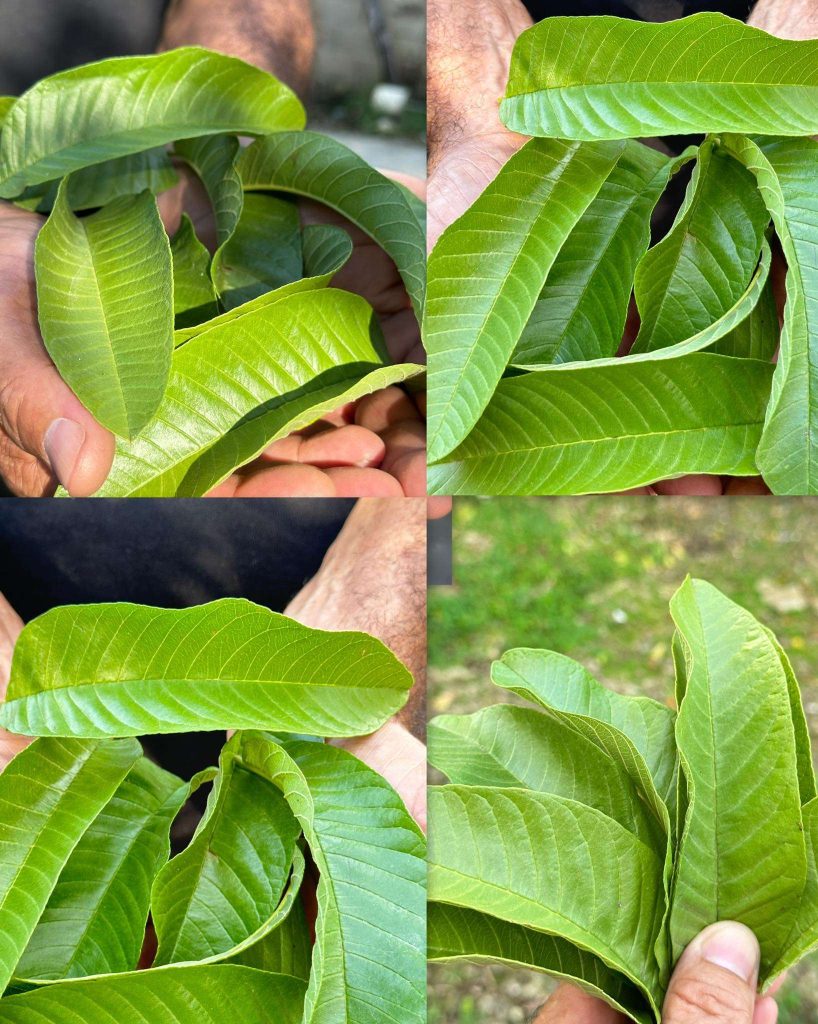
Benefits of Guava Leaves: Nature's Hidden Wellness Treasure
 Espanol
🍃 When most people think of guava, they imagine the sweet, tropical fruit. But the leaves of the guava plant (Psidium guajava) hold an equally impressive—and often overlooked—potential for health and wellness. Packed with powerful bioactive compounds, guava leaves have been used in traditional medicine for centuries across Asia, Africa, and Latin America. In this article, we dive deep into the scientifically backed benefits of guava leaves, offering practical advice on how to incorporate them into your daily routine. Whether you're looking to boost your immune system, improve digestion, or even support healthy hair and skin, guava leaves deserve a spot in your natural wellness arsenal.
Espanol
📊 Nutritional and Chemical Profile of Guava Leaves
Understanding why guava leaves are so effective starts with their rich composition. They contain high levels of antioxidants such as flavonoids (quercetin, kaempferol), tannins, and saponins. These compounds are responsible for many of the leaves' therapeutic properties. Additionally, guava leaves are a natural source of vitamin C, vitamin A, and B-complex vitamins, along with minerals like calcium, potassium, and magnesium. The presence of polyphenols gives them anti-inflammatory and antimicrobial strength, making them a versatile tool for both internal and external health. 🧪
🩺 1. Supports Digestive Health
One of the most well-documented benefits of guava leaves is their ability to soothe and regulate the digestive system.
- Relieves diarrhea and stomach upset – The tannins in guava leaves have astringent properties, which can help reduce intestinal inflammation and stop fluid loss. Drinking a cup of guava leaf tea is a traditional remedy for acute diarrhea.
- Fights harmful bacteria – Studies show that guava leaf extracts inhibit the growth of Staphylococcus aureus and E. coli, common causes of food poisoning and digestive infections.
- Promotes good gut flora – By reducing inflammation and killing pathogens, guava leaves create a healthier environment for beneficial bacteria to thrive. 🌱
Pro tip: For mild digestive discomfort, steep 5–6 fresh guava leaves in hot water for 10 minutes, strain, and drink once or twice daily. Avoid excessive consumption as it may cause constipation.
🍬 2. Helps Regulate Blood Sugar Levels
Managing blood glucose is a growing concern worldwide. Guava leaves offer a natural way to support insulin sensitivity and lower post-meal sugar spikes.
Research indicates that guava leaf tea can inhibit the absorption of sucrose and maltose in the body, thanks to compounds that block alpha-glucosidase enzymes. In a 2019 study, individuals with type 2 diabetes who drank guava leaf tea for 12 weeks experienced a significant reduction in fasting blood glucose levels. 🌿
How to use: Brew a strong tea using dried guava leaves (about 1 tablespoon per cup). Drink it 30 minutes before meals for best results. Always consult your doctor before using it alongside diabetes medications.
❤️ 3. Boosts Heart Health
The cardiovascular benefits of guava leaves are linked to their ability to lower “bad” LDL cholesterol and triglycerides while raising “good” HDL cholesterol. The antioxidants in the leaves help prevent the oxidation of LDL cholesterol—a key step in the formation of arterial plaques.
Additionally, guava leaf extract has been shown to reduce blood pressure in hypertensive animal models. While human studies are still limited, regular consumption of guava leaf tea may contribute to better circulation and reduced risk of heart disease. 🫀
Combine this with a balanced diet and exercise for optimal heart protection.
🔥 4. Powerful Anti-Inflammatory and Antimicrobial Action
Inflammation lies at the root of many chronic conditions, from arthritis to skin disorders. Guava leaves contain quercetin and other flavonoids that suppress inflammatory markers like COX-2 and TNF-alpha. This makes them beneficial for reducing joint pain and swelling.
Topically, crushed guava leaves can be applied to wounds, cuts, or insect bites to prevent infection and speed up healing. The leaves' antimicrobial activity also extends to oral health—chewing fresh leaves or using a mouthwash made from the extract can help fight gingivitis and bad breath. 🦷
💁 5. Enhances Skin and Hair Vitality
Beauty enthusiasts have long turned to guava leaves for natural skincare and haircare.
- Acne treatment – The astringent and antibacterial properties help unclog pores and reduce acne-causing bacteria. Mash a few fresh leaves into a paste and apply as a face mask for 15 minutes. Rinse with cool water. ✨
- Anti-aging – Antioxidants in the leaves fight free radicals that cause premature wrinkles and fine lines. Regular use of guava leaf water as a toner can improve skin elasticity.
- Hair growth and dandruff control – Boil a handful of leaves in water, let it cool, and use the liquid as a final hair rinse. This strengthens hair roots, reduces shedding, and soothes an itchy scalp. 💆
Pro tip: For a simple DIY toner, simmer 10 guava leaves in 2 cups of water until reduced by half. Strain, store in a glass bottle, and apply with a cotton pad after cleansing.
☕ How to Prepare and Use Guava Leaves
You can find fresh guava leaves at farmers' markets or grow your own guava tree. Dried leaves are available in many health food stores. The most common ways to use them include:
- Guava leaf tea: Steep (fresh or dried) leaves in hot water for 10 minutes. Add a slice of lemon or honey for flavor. 🍵
- Infused oil or salve: For topical applications, steep crushed leaves in a carrier oil (like coconut or olive) for a week, then strain.
- Powdered supplement: Grind dried leaves into a fine powder and add to smoothies or capsule them. Start with 1 gram per day.
Safety note: Guava leaves are generally safe for most people. However, pregnant or breastfeeding women should consult a healthcare provider before using concentrated extracts. Always start with small amounts to test for allergies.
⚠️ Potential Side Effects and Precautions
While guava leaves are natural, they are not free of contraindications.
- Constipation: High tannin content can worsen chronic constipation if consumed in large amounts. Stick to moderate doses.
- Blood pressure drop: Those on antihypertensive medications should monitor their pressure closely, as guava leaves may have additive effects. 🩸
- Drug interactions: Guava leaf extracts might interact with diabetes drugs, blood thinners, and some antibiotics. Discuss with your physician.
As with any herbal remedy, use guava leaves as a complement to—not a replacement for—medical treatment. Listen to your body and adjust accordingly.
🌟 Conclusion: Embrace the Power of Guava Leaves
From ancient folk medicine to modern scientific validation, guava leaves have proven themselves to be a versatile and powerful natural resource. Their benefits span digestive health, blood sugar control, heart support, anti-inflammatory action, and even beauty enhancements. Incorporating guava leaves into your lifestyle doesn't require complicated rituals—a simple cup of tea or a homemade skincare treatment can make a real difference.
Remember to source leaves from a reliable supplier, use them in moderation, and always consult a professional when addressing specific health conditions. Nature has gifted us this humble leaf; it's time we unlocked its full potential. 🍃
Take action today: Try brewing your first cup of guava leaf tea or mix a DIY face mask. Your body and skin will thank you.
Deja una respuesta