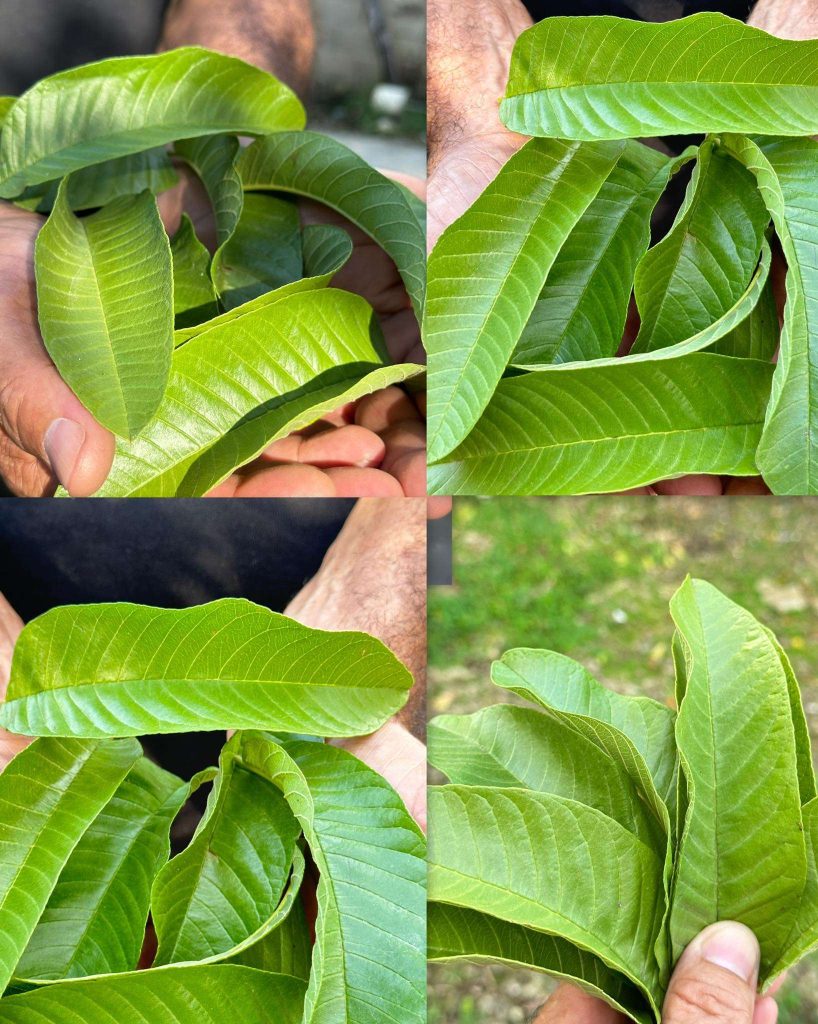
BENEFITS OF GUAVA LEAVES
 Espanol
Benefits of Guava Leaves: A Comprehensive Guide to Nature’s Hidden Treasure
Espanol
🌿 When we think of guava, the sweet, aromatic fruit usually comes to mind. However, the leaves of the guava tree have been used for centuries in traditional medicine across Asia, Africa, and Latin America. Modern research is now catching up, revealing that these humble leaves contain powerful compounds with remarkable health benefits. In this article, we will explore the scientifically backed advantages of guava leaves, how to incorporate them into your daily routine, and why they deserve a spot in your natural wellness toolkit. Whether you are looking to improve digestion, manage blood sugar, or boost your immunity, guava leaves offer a safe and effective solution.
🌱 Nutritional Profile of Guava Leaves
Guava leaves are packed with antioxidants, vitamins, and minerals. They are particularly rich in vitamin C, flavonoids like quercetin, and tannins such as ellagic acid. These compounds work synergistically to combat oxidative stress and inflammation. Unlike the fruit, the leaves contain higher concentrations of these bioactive substances, making them a potent herbal remedy. One of the key components is guava leaf essential oil, which has demonstrated antimicrobial and anti-inflammatory properties in multiple studies.
Additionally, guava leaves provide vitamin B complex, calcium, iron, and potassium. This nutrient density supports overall health, from bone strength to red blood cell production. The leaves are also low in calories and free from caffeine, making them an excellent choice for herbal teas.
🩺 Digestive Health and Gut Support
One of the most well‑documented benefits of guava leaves is their ability to soothe the digestive system. The leaves contain natural antispasmodic and antibacterial compounds that help relieve stomach cramps, diarrhea, and food poisoning. Studies have shown that a decoction of guava leaves can inhibit the growth of harmful bacteria like Staphylococcus aureus and E. coli, while promoting the growth of beneficial gut flora.
For those suffering from chronic digestive issues such as irritable bowel syndrome (IBS), drinking guava leaf tea regularly may reduce bloating and discomfort. The tannins present in the leaves also have a mild astringent effect, which can help firm up loose stools. Tip: Steep 5‑7 fresh or dried guava leaves in boiling water for 10 minutes, then strain and drink up to two cups per day.
🩸 Blood Sugar Regulation
Managing blood glucose levels is crucial for preventing and controlling type 2 diabetes. Guava leaves have demonstrated significant hypoglycemic effects in both animal and human trials. The leaf extract inhibits the activity of alpha‑glucosidase enzymes, which slows the absorption of sugar in the intestines. This leads to a more gradual rise in blood sugar after meals, reducing insulin spikes.
In a 2010 study published in Nutrition and Metabolism, participants who consumed guava leaf tea before meals experienced a 25% reduction in postprandial blood glucose levels compared to a placebo group. For individuals with prediabetes or diabetes, incorporating guava leaves into their diet—either as tea or in supplement form—can be a natural way to support metabolic health. Always consult your healthcare provider before making changes to your diabetes management plan.
❤️ Cardiovascular Protection
Heart disease remains a leading cause of death worldwide, but guava leaves may offer protective benefits. The high levels of antioxidants help reduce oxidative damage to blood vessels, lowering the risk of atherosclerosis. Additionally, guava leaf extract has been found to reduce total cholesterol, LDL (bad) cholesterol, and triglycerides while increasing HDL (good) cholesterol.
A study on rats fed a high‑fat diet showed that guava leaf extract significantly decreased lipid peroxidation and improved heart function markers. The potassium content also helps regulate blood pressure by relaxing blood vessel walls. Drinking guava leaf tea regularly can be a simple, heart‑healthy habit. Combine it with a diet rich in fruits, vegetables, and whole grains for maximum benefit.
🛡️ Anti‑Inflammatory and Immune Boosting Properties
Chronic inflammation is linked to many diseases, including arthritis, autoimmune conditions, and cancer. Guava leaves are rich in quercetin and other flavonoids that modulate inflammatory pathways. They inhibit the production of pro‑inflammatory cytokines such as TNF‑alpha and IL‑6, helping to reduce swelling and pain.
Furthermore, the antibacterial and antiviral properties of guava leaves strengthen the immune system. Gargling with guava leaf tea can soothe sore throats and reduce oral infections. Topical application of the leaf paste has been used traditionally to treat wounds, acne, and skin irritations due to its antimicrobial effect. For immune support, try drinking one cup of guava leaf tea daily, especially during cold and flu season.
🧴 Skin and Hair Benefits
Beauty enthusiasts are turning to guava leaves for their skin‑friendly compounds. The astringent nature of tannins helps tighten pores and reduce excess oil, making it an excellent natural toner for acne‑prone skin. Simply crush a few fresh leaves and apply the juice directly to blemishes, or use cooled guava leaf tea as a facial rinse.
For hair health, guava leaves can stimulate hair growth and prevent premature graying. The vitamin C content boosts collagen production, strengthening hair follicles. Boil a handful of leaves in water, let it cool, and use the liquid as a final rinse after shampooing. This can improve scalp circulation and reduce dandruff. Pro tip: Combine with coconut oil for a nourishing hair mask once a week.
⚖️ Weight Management Support
Guava leaves may aid weight loss efforts through several mechanisms. The fiber‑like compounds in the leaves promote satiety, helping you feel fuller for longer. Additionally, the blood‑sugar‑stabilizing effect reduces cravings for sugary snacks. The leaves also have a mild diuretic property, which can reduce water retention and bloating.
While guava leaf tea is not a magic bullet, it can be a valuable part of a balanced weight management plan paired with exercise and a healthy diet. Replace sugary beverages with unsweetened guava leaf tea to cut hundreds of calories per week. Remember, consistency is key—enjoy the tea as a daily ritual rather than an occasional drink.
☕ How to Prepare and Use Guava Leaves
There are several ways to incorporate guava leaves into your routine:
- Guava Leaf Tea: The most common method. Steep 5‑10 fresh or dried leaves in 1 cup of hot water for 8‑10 minutes. Strain and drink. You can add honey or lemon for flavor.
- Powdered Supplement: Available in health stores. Typically take 500‑1000 mg per day, but follow the label instructions.
- Topical Paste: Crush fresh leaves into a paste and apply to skin rashes, wounds, or acne for 15 minutes before rinsing.
- Gargle: Use cooled tea as a mouthwash to combat gum infections or sore throat.
- Hair Rinse: Prepare a strong decoction and use after shampooing for shiny, healthy hair.
Safety Note: Pregnant and breastfeeding women should consult a doctor before using guava leaves in medicinal amounts. Guava leaves are generally safe when consumed in moderate amounts, but excessive intake may cause digestive discomfort due to the tannin content.
🔬 Scientific Evidence and Research
The health benefits of guava leaves are not just folklore; they are backed by a growing body of research. Numerous studies have validated their antimicrobial, antioxidant, and anti‑inflammatory effects. For instance, a 2018 review in Journal of Ethnopharmacology highlighted the leaf’s potential in treating diarrhea, diabetes, and oral infections. Another study from Molecular Biology Reports (2020) demonstrated that guava leaf extract inhibits cancer cell growth in vitro, though more human trials are needed.
It is important to choose high‑quality leaves—preferably organic—to avoid pesticide residues. Fresh leaves from your garden or a trusted source are ideal. If using dried leaves, store them in an airtight container away from light.
🌟 Conclusion: Embrace the Power of Guava Leaves
Guava leaves are a versatile, affordable, and scientifically supported natural remedy. From supporting digestion and blood sugar control to enhancing skin and heart health, their benefits are vast. By incorporating guava leaf tea or topical applications into your lifestyle, you can tap into ancient wisdom backed by modern science.
Start small: try a cup of guava leaf tea today and observe how your body responds. As with any herbal supplement, consistency and moderation are the keys to unlocking its full potential. Share this knowledge with friends and family—sometimes the most powerful remedies grow right in our backyards. 🍃
Disclaimer: This article is for informational purposes only and does not substitute professional medical advice. Always consult a healthcare provider before starting any new health regimen.
Deja una respuesta