BENEFITS OF GUAVA LEAVES
 Espanol
🍃 Discover the Hidden Power of Guava Leaves: A Natural Remedy for Modern Wellness
Espanol
When you think of guava, your mind likely jumps to the sweet, tropical fruit. But what if I told you that the leaves of this humble plant hold a treasure trove of health benefits that have been used for centuries in traditional medicine? 🌿 From boosting digestive health to supporting blood sugar control, guava leaves are a powerhouse of natural compounds that deserve a spot in your daily wellness routine. In this article, we will explore the science-backed benefits of guava leaves, share practical tips on how to use them, and explain why they are becoming a staple in holistic health circles. Whether you are a seasoned herbal enthusiast or a curious beginner, this guide will give you everything you need to unlock the potential of guava leaves.
🍵 What Are Guava Leaves and Why Are They So Special?
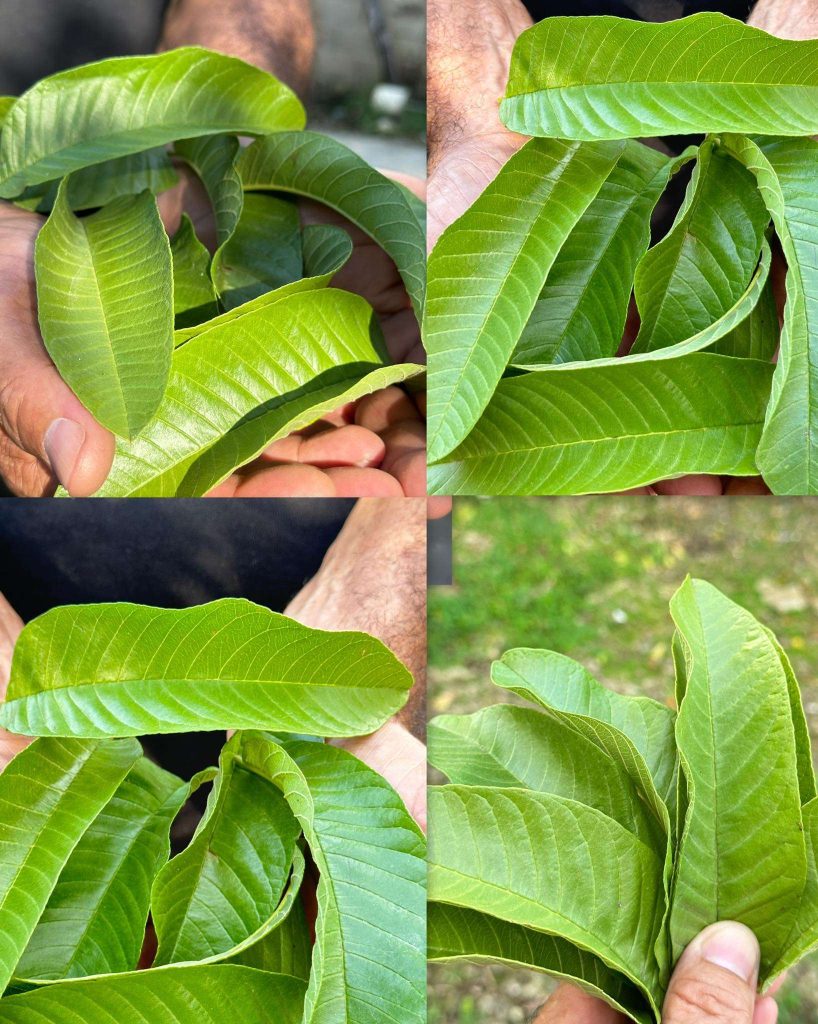
Guava leaves come from the Psidium guajava tree, a tropical plant native to Central America but now grown in many warm regions worldwide. While the fruit is widely consumed, the leaves are often discarded—yet they contain higher concentrations of beneficial compounds like antioxidants, tannins, flavonoids, and essential oils than the fruit itself. These bioactive substances give guava leaves their powerful anti-inflammatory, antimicrobial, and antioxidant properties. Traditional medicine systems—from Ayurveda to Chinese herbalism—have long used guava leaf tea, extracts, and topical preparations to treat a variety of ailments. Modern research is now catching up, validating many of these ancient uses with clinical studies. So let’s dive into the specific benefits that make guava leaves a must‑have in your health arsenal.
💪 1. Supports Digestive Health Naturally
One of the most celebrated uses of guava leaves is for digestive wellness. If you have ever suffered from diarrhea, stomach cramps, or indigestion, a cup of guava leaf tea might be your new best friend. The leaves contain compounds like quercetin and tannins that have astringent properties, helping to tighten intestinal lining and reduce fluid loss during bouts of diarrhea. A 2015 study published in the Journal of Ethnopharmacology found that guava leaf extract significantly reduced symptoms of acute diarrhea in participants, with effects comparable to standard medications but without the side effects. 🛡️
Practical tip: Steep 5–7 fresh or dried guava leaves in a cup of boiling water for 10 minutes. Drink this tea two to three times a day to soothe an upset stomach or to prevent dehydration during digestive distress. You can also combine it with a pinch of ginger for added anti‑inflammatory benefits.
- ✅ Helps reduce diarrhea and cramping
- ✅ Supports healthy gut flora
- ✅ Relieves bloating and gas
🩸 2. Promotes Healthy Blood Sugar Levels
For those managing diabetes or prediabetes, guava leaves offer a natural way to support glucose regulation. Research shows that compounds in guava leaves—such as avicularin and psidiolic acid—inhibit the absorption of sugar from the gut and improve insulin sensitivity. A 2013 study in Nutrition and Metabolism observed that drinking guava leaf tea before a carbohydrate‑rich meal significantly reduced post‑meal blood sugar spikes in type 2 diabetic patients. 🩺
How to incorporate it: Start your day with a cup of unsweetened guava leaf tea, or use it as a beverage after meals. For best results, combine it with a balanced diet and regular physical activity. Always consult your healthcare provider before adding any herbal supplement to your diabetes management plan.
- ✅ Lowers post‑meal blood sugar spikes
- ✅ Improves insulin sensitivity
- ✅ Reduces HbA1c levels over time (with consistent use)
❤️ 3. Boosts Heart Health and Lowers Cholesterol
Your heart will thank you for adding guava leaves to your routine. The high antioxidant content—especially vitamin C and polyphenols—helps combat oxidative stress, a major contributor to heart disease. Additionally, guava leaf extract has been shown to lower LDL (bad) cholesterol and triglyceride levels while increasing HDL (good) cholesterol. A 2018 animal study in BMC Complementary Medicine and Therapies demonstrated that oral administration of guava leaf extract reduced total cholesterol by over 20% in subjects with high cholesterol. 🫀
Practical advice: Drink guava leaf tea regularly, but also consider using it as a base for smoothies (cooled, of course). To maximize heart benefits, pair it with a diet rich in fiber, healthy fats, and omega‑3s. Remember that herbal remedies complement—not replace—medical treatments.
- ✅ Lowers LDL cholesterol and triglycerides
- ✅ Reduces oxidative stress on blood vessels
- ✅ Supports healthy blood pressure (due to anti‑inflammatory effects)
🧪 4. Powerful Antimicrobial and Anti‑Inflammatory Effects
Guava leaves are nature’s own antiseptic. Their antibacterial and antifungal properties make them effective against a range of pathogens, including E. coli, Staphylococcus aureus, and Candida albicans. This is why guava leaf extracts are often used in oral care products—they help fight plaque, reduce inflammation of the gums (gingivitis), and prevent bad breath. 🦷
Moreover, the anti‑inflammatory action of guava leaf compounds can help manage chronic inflammatory conditions like arthritis. A 2016 study found that topical application of guava leaf tea reduced joint swelling and pain in participants with mild osteoarthritis.
How to use topically: Boil a handful of guava leaves in water, let it cool, then use the liquid as a mouthwash or apply it to skin irritations (acne, eczema, insect bites) with a cotton ball. For joint pain, soak a cloth in the cooled tea and place it on the affected area for 15–20 minutes.
- ✅ Fights bacteria and fungi naturally
- ✅ Reduces gum inflammation and plaque
- ✅ Soothes skin infections and irritation
🌟 5. May Help with Weight Management
If you are on a weight loss journey, guava leaves can be a small but effective ally. Because they help stabilize blood sugar and reduce cravings for sugary snacks, they indirectly support calorie control. Additionally, the leaves contain compounds that inhibit the conversion of carbohydrates into fat. A 2014 study in Phytotherapy Research noted that guava leaf extract prevented the accumulation of visceral fat in test animals. While more human studies are needed, the initial evidence is promising. ⚖️
Smart tip: Drink a cup of guava leaf tea 30 minutes before meals. It can help you feel fuller and reduce the urge to overeat. Combine with a diet rich in lean protein and vegetables for optimal results.
- ✅ Reduces sugar cravings
- ✅ Slows carbohydrate absorption
- ✅ Supports healthy metabolism
🌱 6. Enhances Skin and Hair Health
The antioxidants in guava leaves work wonders for your skin and hair. Their antimicrobial properties make them a great ingredient for treating acne, while the vitamin C content boosts collagen production, keeping skin firm and youthful. For hair, guava leaf tea can help reduce dandruff, strengthen hair follicles, and even slow down premature graying (due to its rich mineral content). 🌺
DIY face mask: Make a paste from fresh guava leaves and a little water. Apply it on your face for 15 minutes, then rinse. It will help calm redness and reduce blemishes. For a hair rinse, use the cooled tea after shampooing—leave it on for 5 minutes before washing off.
- ✅ Fights acne and skin infections
- ✅ Delays signs of skin aging
- ✅ Reduces dandruff and promotes hair growth
⚠️ Important Safety Considerations
While guava leaves are generally safe for most people, there are a few precautions to keep in mind. Pregnant and breastfeeding women should consult a doctor before using concentrated extracts, as safety hasn’t been established. If you are taking medications for diabetes, high blood pressure, or blood thinners, monitor your levels closely, as guava leaves may enhance their effects. Start with small amounts to see how your body reacts, and always use organic leaves (or thoroughly wash commercially bought ones) to avoid pesticides. 🌱
Also, avoid consuming excessive amounts—more than 3–4 cups of tea per day—as it may cause digestive upset due to the astringent tannins. When in doubt, talk to your naturopath or healthcare provider.
📝 How to Prepare and Use Guava Leaves: A Quick Guide
- Tea: Steep 5–7 fresh leaves (or 2 teaspoons of dried leaves) in 1 cup boiling water for 10 minutes. Strain and drink. You can add a slice of lemon or a drop of honey for taste.
- Tincture: Fill a jar with fresh leaves, cover with high‑proof alcohol (like vodka), let sit for 4–6 weeks, shaking occasionally. Take 1 teaspoon daily as a digestive tonic.
- Topical rinse: Boil 10–15 leaves in 2 cups water, cool, and use as a mouthwash or skin compress. Store leftover in the fridge for up to 3 days.
- Powder: Dry leaves in the sun or oven, then grind into powder. Use ½ teaspoon in smoothies or sprinkle on salads.
🔑 Conclusion: Your Next Step Toward Natural Wellness
Guava leaves are far more than a byproduct of a tasty fruit—they are a versatile, affordable, and scientifically supported remedy for common health concerns. From calming your digestive system and balancing your blood sugar to protecting your heart and enhancing your skin, these leaves offer a gentle yet effective approach to wellness. 🌿
Start by integrating one cup of guava leaf tea into your daily routine, and observe how your body responds. Over time, you may notice improved digestion, more stable energy levels, and even a clearer complexion. Remember that consistency is key—natural remedies work best when used regularly and combined with a healthy lifestyle.
If you found this guide helpful, share it with someone who might benefit from nature’s hidden gem. Have you tried guava leaves before? Let us know your experience in the comments below—we love hearing from our readers! 🤝
Disclaimer: This article is for informational purposes only and does not replace professional medical advice. Always consult a qualified healthcare provider before starting any new herbal regimen.
Deja una respuesta