BENEFITS OF GUAVA LEAVES
 Espanol
Introduction 🌱
Espanol
Guava leaves have been used for centuries in traditional medicine across Asia, Africa, and Latin America, yet many people overlook their incredible health potential. While the fruit itself is famous for its vitamin C content, the leaves offer a powerhouse of antioxidants, anti‑inflammatory compounds, and antimicrobial properties. In this article, we explore the scientifically‑backed benefits of guava leaves, from improving digestive health to supporting blood sugar control. Whether you are new to herbal remedies or looking to expand your natural wellness toolkit, this guide will provide practical, actionable insights—all in a professional yet friendly tone.
🌿 Nutritional Profile of Guava Leaves
Before diving into specific benefits, it is important to understand what makes guava leaves so effective. They are rich in polyphenols, flavonoids, tannins, and essential oils. Key active compounds include quercetin, avicularin, and guajaverin, which contribute to their antioxidant and anti‑diabetic properties. A single cup of guava leaf tea delivers a concentrated dose of these phytonutrients without significant calories. Unlike many pharmaceutical extracts, guava leaves offer a whole‑food approach to wellness—gentle yet potent.
🩺 Digestive Health and Gut Support
One of the most well‑documented benefits of guava leaves is their ability to soothe the digestive system. The leaves contain antimicrobial compounds that help combat harmful bacteria like E. coli and Salmonella, while promoting the growth of beneficial gut flora. 💚 This makes them an excellent natural remedy for diarrhea, indigestion, and even food poisoning. A 2015 study published in the Journal of Ethnopharmacology confirmed that guava leaf extract significantly reduced the duration and severity of acute diarrhea in children. Practical tip: Steep 3–5 fresh guava leaves in hot water for 10 minutes, strain, and drink twice daily for gentle digestive relief.
💪 Blood Sugar Regulation
For individuals managing type 2 diabetes or pre‑diabetes, guava leaves can be a valuable ally. Studies show that the flavonoids in guava leaves inhibit enzymes that break down carbohydrates, leading to a slower release of sugar into the bloodstream. 🍃 This natural glucose‑lowering effect has been confirmed in human trials: in one 2019 study, participants who drank guava leaf tea after meals experienced a 12% reduction in postprandial blood sugar levels compared to a placebo group. While guava leaves are not a substitute for medical treatment, incorporating a cup of tea into your daily routine may help maintain stable energy and reduce sugar cravings.
❤️ Cardiovascular Benefits
Heart health is another area where guava leaves shine. The antioxidants in the leaves help reduce oxidative stress, a key contributor to hypertension and atherosclerosis. 🔬 A 2018 animal study found that guava leaf extract lowered total cholesterol and triglyceride levels while increasing HDL (“good”) cholesterol. Although human research is still emerging, the anti‑inflammatory and hypotensive properties are promising. For best results, combine guava leaf tea with a balanced diet rich in fiber and healthy fats. Even as a complementary therapy, these leaves support overall cardiovascular resilience.
🦷 Oral Hygiene and Gum Health
Guava leaves have long been used in traditional oral care, and modern science backs this up. The leaves contain antibacterial and anti‑inflammatory compounds that fight plaque‑causing bacteria and reduce gum inflammation. A 2020 clinical trial demonstrated that a guava leaf mouthwash was as effective as commercial chlorhexidine mouthwash in reducing gingivitis symptoms, without the unpleasant side effects. 😁 To make your own natural rinse, crush a handful of fresh guava leaves, boil them in water for 5 minutes, cool, and use as a gargle twice daily. It leaves your mouth feeling fresh and clean—no alcohol or artificial chemicals required.
💆♀️ Skin Health and Wound Healing
Topical application of guava leaf extract can accelerate wound healing and soothe skin irritations. The leaves’ natural astringent and antimicrobial properties help prevent infections while promoting collagen production. 🌟 A 2017 study found that a cream containing guava leaf extract significantly reduced healing time for minor cuts and burns compared to a standard antiseptic cream. For acne‑prone skin, apply a cooled guava leaf tea as a toner to reduce redness and kill acne‑causing bacteria. Always do a patch test first to ensure no allergic reaction, especially if you have sensitive skin.
🛡️ Antioxidant and Anti‑Aging Effects
Free radicals are unstable molecules that damage cells and accelerate aging. Guava leaves are loaded with antioxidants—particularly vitamin C, lycopene, and quercetin—that neutralize these harmful agents. 🧪 Regular consumption of guava leaf tea may help slow the visible signs of aging, such as fine lines and wrinkles, by protecting collagen and elastin. Additionally, the leaves support the body’s natural detoxification pathways, aiding liver function and overall cellular health. While no single food can stop the clock, guava leaves offer a delicious, natural way to support longevity from the inside out.
👃 Respiratory and Immune Support
In traditional medicine, guava leaves are often used to relieve coughs, colds, and sore throats. The leaves contain essential oils with expectorant properties, which help loosen mucus and ease congestion. A warm cup of guava leaf tea can also provide comfort during seasonal allergies or mild respiratory infections. 💨 Furthermore, the high vitamin C content—around 228 mg per 100 grams of leaves—boosts immune function and helps shorten the duration of common illnesses. For an extra immune kick, add a slice of fresh ginger and a teaspoon of honey to your tea.
⚖️ Potential Side Effects and Precautions
While guava leaves are generally safe for most people, moderation is key. Excessive consumption (more than 4–5 cups of tea per day) may cause mild digestive upset or constipation due to the high tannin content. Pregnant or breastfeeding women should consult a healthcare provider before using guava leaf supplements. Additionally, if you are on medications for diabetes or blood pressure, monitor your levels closely, as guava leaves can have additive effects. Always start with a small amount to see how your body responds.
📝 How to Incorporate Guava Leaves Into Your Routine
• Tea: Steep 3–5 fresh or dried leaves in boiling water for 10 minutes. Drink 1–2 cups daily.
• Mouthwash: Boil leaves in water for 5–10 minutes, strain, and use cooled liquid as a gargle.
• Topical paste: Crush fresh leaves into a paste and apply to cuts, burns, or acne (leave for 15 minutes, then rinse).
• Smoothie addition: Blend a handful of washed guava leaves with fruit and yogurt for a nutrient boost.
• Supplements: Capsules and extracts are available; follow the manufacturer’s dosage instructions.
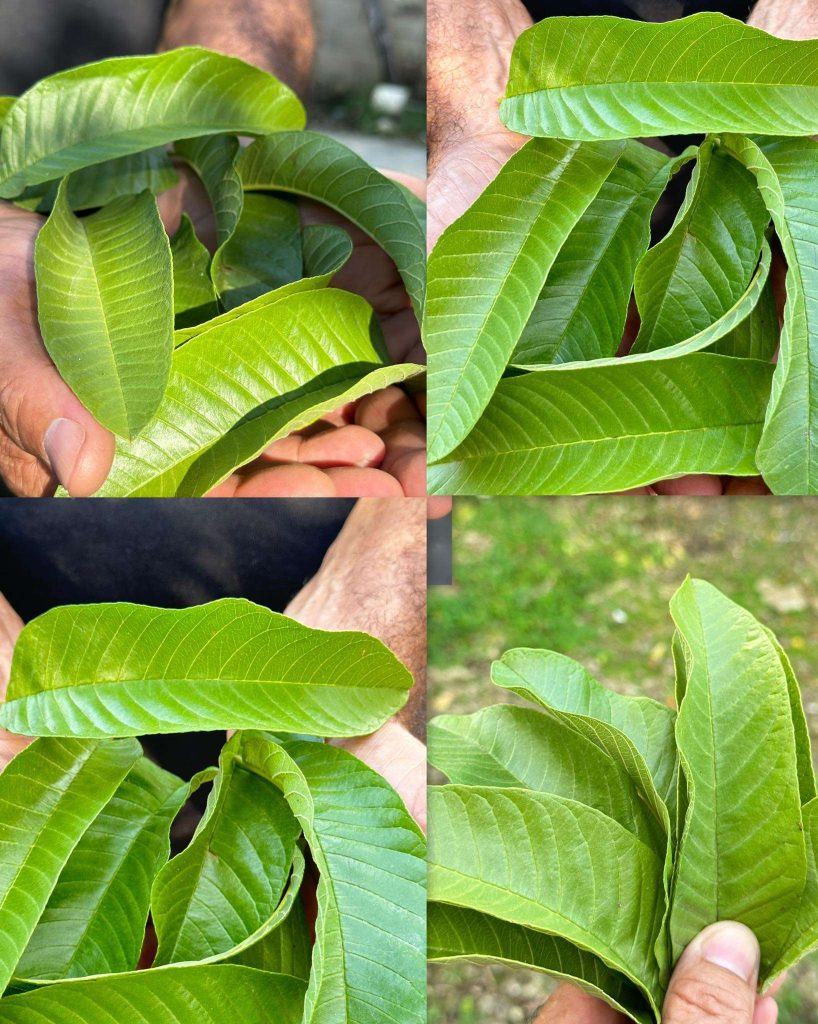
For maximum freshness, pick young, bright‑green leaves from a healthy guava tree. If fresh leaves are not available, dried leaves (sold in herbal stores or online) work equally well. Store them in an airtight container away from direct sunlight.
🔬 Scientific Perspective and Future Research
Current research on guava leaves is promising, but much of it is limited to animal studies or small human trials. Large‑scale clinical studies are still needed to fully establish dosages and long‑term effects. Nevertheless, the existing evidence strongly supports the traditional uses of guava leaves for digestive issues, blood sugar control, and oral health. ✅ As interest in natural medicine grows, we can expect more robust research in the coming years. For now, guava leaves remain a safe, accessible, and effective addition to a holistic wellness plan.
🌍 Environmental and Ethical Considerations
Choosing guava leaves is also an environmentally friendly choice. Guava trees are hardy, require minimal pesticides, and thrive in tropical and subtropical climates. By using the leaves—often considered a by‑product—you reduce food waste and support sustainable agriculture. When sourcing leaves, opt for organic, locally‑grown options if possible. This not only benefits your health but also supports small farmers and reduces your carbon footprint. 🌱
💡 Conclusion: A Simple Leaf with Powerful Potential
From digestive relief to blood sugar support, oral hygiene to skin healing, guava leaves offer a remarkable range of health benefits—all from a humble plant that grows abundantly in many parts of the world. We have explored how these leaves work on a biochemical level, how to use them safely, and why they deserve a place in your daily routine. Remember, guava leaves are a complement to, not a replacement for, professional medical advice. Whether you brew a warm cup of tea or apply a healing paste, this natural remedy can enhance your well‑being in a gentle, affordable way. Start small, listen to your body, and enjoy the journey toward better health. 🌟
Have you tried guava leaves before? Share your experience in the comments below, or pass this article along to someone who might benefit from nature’s hidden gem.
Deja una respuesta