BENEFITS OF GUAVA LEAVES
 Espanol
Benefits of Guava Leaves: A Comprehensive Guide to Nature’s Hidden Treasure
Espanol
🍃 Have you ever considered that the leaves of the humble guava tree might be one of the most underrated superfoods in your backyard? While the fruit itself is celebrated for its sweet taste and vitamin C content, the leaves possess a remarkable array of therapeutic properties that have been used in traditional medicine for centuries across Asia, Africa, and Latin America. 🌿 This article delves deep into the scientifically backed benefits of guava leaves, offering you practical advice on how to harness their power for better health, glowing skin, and overall well-being. Whether you are looking to improve digestion, manage blood sugar, or simply add a natural remedy to your daily routine, you will discover why guava leaves deserve a prominent place in your wellness arsenal.
🌱 The Nutritional and Chemical Powerhouse Inside Guava Leaves
Before we explore specific benefits, it is essential to understand what makes guava leaves so effective. They are rich in bioactive compounds such as flavonoids, tannins, phenolic acids, and essential oils. Among these, quercetin, avicularin, and guaijaverin stand out for their antioxidant and anti-inflammatory properties. A single cup of guava leaf tea can deliver a significant dose of vitamin C, potassium, and manganese, along with fibre that supports gut health. 🧪 The leaves also contain eugenol, a compound responsible for their distinctive aroma and known for its antiseptic and analgesic effects. This unique chemical profile is why guava leaves are not just a folk remedy but a subject of modern pharmacological research.
🩺 Supporting Digestive Health Naturally
One of the most well-documented benefits of guava leaves is their ability to soothe and regulate the digestive system. The high tannin content provides astringent properties that can help reduce inflammation in the intestinal lining, making it effective against diarrhoea and dysentery. Traditional healers have long recommended guava leaf tea to stop loose stools and relieve stomach cramps. 🌿 A 2015 study published in the Journal of Ethnopharmacology confirmed that guava leaf extract significantly inhibited the growth of pathogenic bacteria like E. coli and Salmonella, while promoting the growth of beneficial gut flora. To use it, simply steep 5–6 fresh or dried guava leaves in hot water for 10 minutes. Drink this tea twice daily during episodes of digestive distress, but avoid overuse as it may cause constipation due to its astringent nature. 🫖
⚖️ Aiding Weight Loss and Metabolism
If you are on a weight management journey, guava leaves can be a valuable ally. They contain compounds that inhibit the conversion of complex starches into simple sugars, thereby reducing the amount of glucose absorbed into the bloodstream. This metabolic effect not only helps control appetite but also prevents fat accumulation. 🍃 A study in Nutrition & Metabolism (2018) found that guava leaf extract reduced body weight and improved lipid profiles in overweight individuals. The leaves are also naturally low in calories and rich in fibre, making them an excellent addition to detox routines. Tip: Replace your afternoon sugary drink with a cup of unsweetened guava leaf tea to curb cravings and support your calorie deficit. 🥤
🩸 Managing Blood Sugar Levels Effectively
For individuals with type 2 diabetes or those at risk, guava leaves offer a promising natural intervention. The flavonoids in the leaves, particularly quercetin, have been shown to improve insulin sensitivity and reduce post-meal blood sugar spikes. A 2013 clinical trial involving diabetic patients demonstrated that those who consumed guava leaf tea experienced a significant drop in fasting blood glucose levels after 12 weeks, compared to a placebo group. 🩸 Moreover, the leaves contain avicularin, which helps inhibit alpha-glucosidase, an enzyme that breaks down carbohydrates. Warning: If you are on diabetes medication, consult your doctor before adding guava leaf tea to your routine, as it can amplify the effects and lead to hypoglycemia. Always monitor your blood glucose levels closely. 📉
🛡️ Powerful Anti-Inflammatory and Antioxidant Properties
Chronic inflammation is a root cause of many modern diseases, from arthritis to heart disease. Guava leaves are packed with antioxidants that neutralize free radicals and reduce oxidative stress. The high concentration of vitamin C and flavonoids makes them superior to many other herbal remedies in fighting inflammation. 🌿 A 2020 review highlighted that guava leaf extracts could decrease markers like C-reactive protein (CRP) and interleukin-6. To experience this benefit, you can apply a paste of crushed guava leaves topically on inflamed joints or skin, or consume the tea regularly. For internal inflammation, aim for 1–2 cups of guava leaf tea per day as part of an anti-inflammatory diet. 💪
💆♀️ Enhancing Skin Health and Hair Growth
Guava leaves are a secret weapon for achieving radiant skin and strong hair. Their antibacterial and astringent properties help combat acne and reduce excess oil production. Applying a cooled guava leaf decoction as a toner can tighten pores and soothe irritated skin. 🌸 For hair, the leaves stimulate blood circulation to the scalp and strengthen hair follicles, reducing hair fall. A simple homemade hair rinse (boil a handful of leaves in water, cool, and use as a final rinse after shampoo) can add shine and combat dandruff. Pro tip: Mix crushed guava leaves with yogurt to create a face mask that brightens skin and fades dark spots naturally. 🧴
🤒 Bolstering Immune Function and Fighting Infections
Thanks to its rich antimicrobial profile, guava leaf tea is an excellent immune booster. The leaves have demonstrated activity against a range of pathogens, including Staphylococcus aureus and Pseudomonas aeruginosa. 🦠 Regular consumption can help ward off colds, flu, and even oral infections. The leaves are also used as a natural remedy for sore throats and coughs—gargling with warm guava leaf tea provides soothing relief. During flu season, start your day with a cup of guava leaf tea to fortify your immune defences. 🛡️
💔 Cardiovascular Support and Cholesterol Management
Heart health is another area where guava leaves shine. Animal and human studies indicate that guava leaf extract can lower LDL (bad) cholesterol and increase HDL (good) cholesterol. This effect is attributed to the water-soluble fibre and antioxidant compounds that reduce lipid peroxidation. ❤️ A 2017 study published in Phytotherapy Research found that daily consumption of guava leaf tea reduced total cholesterol levels by up to 10% in hyperlipidemic patients. Combined with a balanced diet and exercise, guava leaves can be a simple yet effective addition to your heart-healthy lifestyle. Note: Steep the leaves for at least 15 minutes to extract maximum beneficial compounds. 🫀
🌿 How to Select, Prepare, and Use Guava Leaves
To get the most out of guava leaves, follow these practical guidelines:
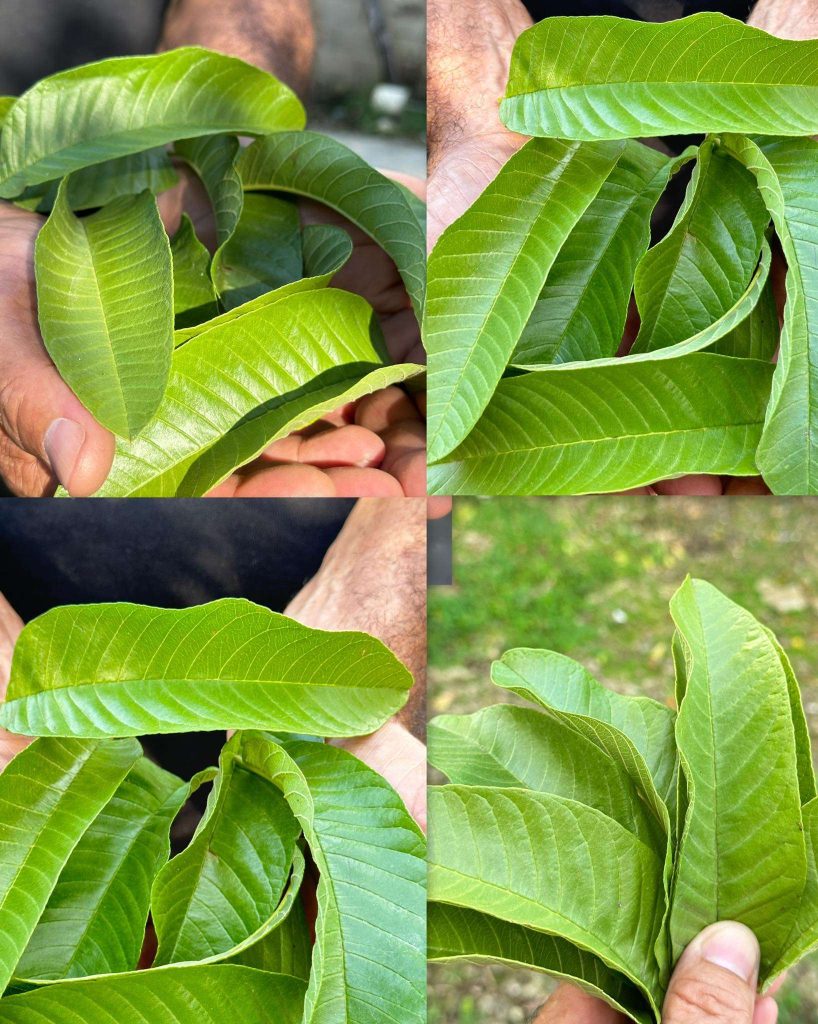
Choosing leaves: Use fresh, vibrant green leaves from organic guava trees. Avoid leaves that are yellowed or spotted. If using dried leaves, ensure they are free from mould and stored in an airtight container.
Simple tea recipe: Boil 2 cups of water, add 5–6 fresh or 1 tablespoon dried leaves, cover, and let steep for 10–15 minutes. Strain and drink warm. You can add a slice of lemon or a teaspoon of honey for taste, but avoid sugar to preserve health benefits.
Topical use: Crush a handful of leaves into a paste with a little water and apply directly to skin or scalp. Leave for 10–15 minutes before rinsing.
Precautions: Pregnant and breastfeeding women should consult a healthcare provider before using guava leaf products. Due to its astringent effect, excessive consumption may cause constipation or interfere with medication absorption. Always start with a small dose to assess tolerance.
🌍 Guava leaves are also used in traditional cuisines—try adding them to soups or stews for a subtle floral note. Their versatility makes them easy to incorporate into your daily routine.
🔬 Scientific Validation and Traditional Wisdom United
While ancient healers relied on empirical knowledge, modern science is catching up. Numerous peer-reviewed studies have validated the traditional uses of guava leaves for diabetes, digestive issues, infections, and inflammation. 🌱 For instance, a 2022 meta-analysis in Evidence-Based Complementary and Alternative Medicine concluded that guava leaf extracts are safe and effective for managing hyperglycemia and dyslipidemia. However, it is important to remember that guava leaves are a supplement, not a replacement for prescribed medical treatments. Use them as part of a holistic approach that includes a balanced diet, regular exercise, and professional medical advice.
✅ Conclusion: Embrace the Green Power of Guava Leaves
From supporting digestion and weight management to fighting inflammation and enhancing skin health, guava leaves are a true gift of nature. 🎁 Their scientifically supported benefits, coupled with centuries of traditional use, make them a safe and effective addition to your wellness routine. Whether you brew them as a tea, apply them topically, or use them in cooking, these leaves offer a natural, affordable, and accessible path to better health. 🌿 Start today by brewing a warm cup of guava leaf tea and experience the difference for yourself. Remember, nature often provides the simplest solutions to our most complex health challenges—guava leaves are a shining example of that wisdom.
📝 Take action: Share this article with someone who could benefit from natural remedies, and consider leaving a comment below about your own experiences with guava leaves. Your journey to vibrant health begins with a single leaf!
Deja una respuesta