BENEFITS OF GUAVA LEAVES
 Espanol
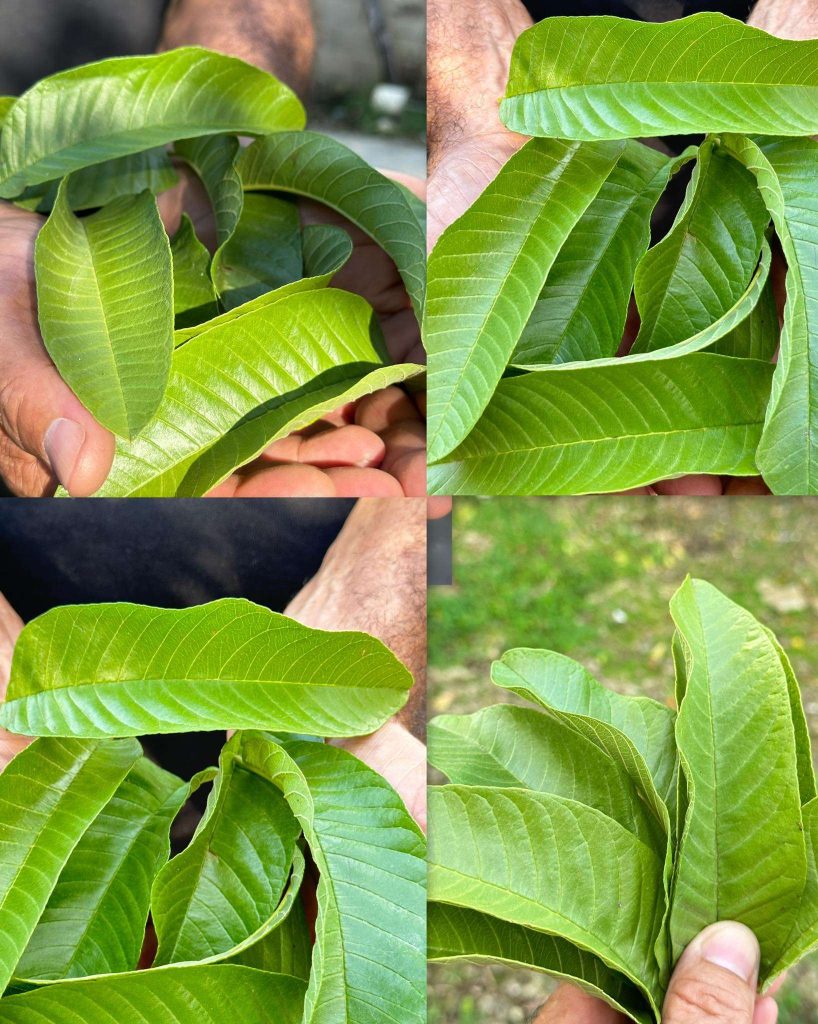
Are you looking for a natural, affordable way to boost your overall wellness? Often overshadowed by the fruit itself, guava leaves are emerging as a powerhouse of health benefits in both traditional and modern medicine. Packed with antioxidants, anti-inflammatory compounds, and essential nutrients, these leaves offer a surprising range of therapeutic uses – from digestive support to hair care. In this article, we will explore the most compelling benefits of guava leaves, backed by research, and provide you with practical tips to incorporate them into your daily routine. Whether you are a wellness enthusiast or simply curious about natural remedies, this guide will help you unlock the full potential of this humble leaf.
Espanol
🌿 Why Guava Leaves Deserve a Place in Your Wellness Arsenal
Guava leaves have been used for centuries in herbal medicine across Asia, Africa, and Latin America. Unlike the fruit, which is widely known for its vitamin C content, the leaves contain a unique combination of bioactive compounds such as flavonoids, tannins, and essential oils. These compounds give the leaves powerful antimicrobial, antioxidant, and anti-diarrheal properties. Recent scientific studies have confirmed many of these traditional uses, making guava leaves a subject of growing interest in the natural health community. Including guava leaf tea or extracts in your routine can be a simple yet effective way to support several body systems simultaneously.
🍵 1. Exceptional Digestive Health Support
One of the most well-documented benefits of guava leaves is their ability to soothe and regulate the digestive system. The leaves contain high levels of tannins, particularly eugenol, which has strong astringent properties. This helps tighten the intestinal lining and reduce inflammation, making guava leaf tea a traditional remedy for diarrhea and stomach flu. Clinical studies have shown that a simple decoction of guava leaves can significantly reduce the frequency and duration of acute watery diarrhea.
Practical tip: Steep 5–7 fresh guava leaves in hot water for 10 minutes to make a soothing tea. Drink it up to twice a day during digestive upset, but avoid overconsumption as it may cause constipation. If you have a chronic digestive condition, consult your healthcare provider first.
Beyond treating diarrhea, guava leaves also help combat harmful gut bacteria like Staphylococcus aureus and E. coli while promoting the growth of beneficial flora. This dual action makes them a natural way to maintain a balanced microbiome. 🦠
🩸 2. Blood Sugar Regulation for Metabolic Health
For individuals managing type 2 diabetes or pre-diabetes, guava leaves offer a promising natural support. Research indicates that compounds in guava leaves can inhibit the enzymes alpha-amylase and alpha-glucosidase, which are responsible for breaking down carbohydrates into sugars. By slowing this process, the leaves help prevent sharp spikes in blood glucose after meals.
A study published in the Journal of Pharmacognosy and Phytochemistry found that consuming guava leaf tea for several weeks led to a significant reduction in fasting blood sugar levels in participants. Additionally, the leaves improve insulin sensitivity, making them a valuable addition to a diabetes management plan.
How to use: Brew a strong tea using dried or fresh leaves and drink it 30 minutes before your main meals. However, if you are already on diabetes medication, monitor your blood sugar closely and discuss with your doctor to avoid hypoglycemia. 🩺
🧬 3. Potent Antioxidant and Anti-inflammatory Effects
Guava leaves are packed with powerful antioxidants like vitamin C, lycopene, and quercetin. These compounds help neutralize free radicals, which are unstable molecules that cause oxidative stress and accelerate aging. Regular consumption of guava leaf tea can protect your cells from damage, reduce chronic inflammation, and lower your risk of degenerative diseases such as arthritis, Alzheimer’s, and certain cancers.
The anti-inflammatory action is particularly helpful for conditions like rheumatoid arthritis. One animal study showed that guava leaf extract significantly reduced joint swelling and inflammation markers. While human studies are still needed, the evidence strongly supports its role as a natural anti-inflammatory.
✨ Bonus tip: You can also use cooled guava leaf tea as a topical rinse to calm skin irritations, acne, or minor cuts due to its antimicrobial and soothing properties.
💁♀️ 4. Hair Health and Scalp Care
Guava leaves are a hidden gem for hair growth and scalp health. They contain vitamins B and C, which strengthen hair follicles, and the leaves’ antimicrobial compounds help fight dandruff-causing fungi and bacteria. A simple guava leaf rinse can reduce itchiness, prevent hair fall, and add natural shine.
DIY hair rinse recipe: Boil a handful of guava leaves in 2 cups of water until the liquid reduces by half. Let it cool, strain, and use it as a final rinse after shampooing. Massage it into your scalp and leave for 15 minutes before rinsing with water. Repeat twice a week for best results. Your hair will feel softer, and the scalp irritation will noticeably decrease. 🧴
🦷 5. Oral Hygiene and Gum Care
Thanks to their antibacterial and anti-inflammatory properties, guava leaves are excellent for maintaining oral health. Chewing fresh guava leaves or using a toothpaste infused with guava leaf extract can help reduce plaque, prevent gingivitis, and freshen breath. The leaves are effective against Streptococcus mutans, a primary bacteria responsible for tooth decay.
In some traditional cultures, people make a decoction of guava leaves and use it as a mouthwash twice daily. This natural alternative to chemical mouthwashes not only cleans the mouth but also soothes swollen gums and accelerates healing after dental procedures.
Caution: Avoid swallowing the mouthwash, as excessive intake of tannins may upset the stomach. Spit it out after rinsing. 🦷
❤️ 6. Cardiovascular Support
What about your heart? Guava leaves can contribute to better cardiovascular health in several ways. Their high fiber content helps lower LDL (bad) cholesterol, while antioxidants prevent the oxidation of cholesterol, a key step in the formation of arterial plaques. Additionally, the leaves' ability to regulate blood pressure (through mild diuretic and vasodilatory effects) supports overall circulation.
Regular consumption of guava leaf tea has been linked to reduced triglyceride levels and increased HDL (good) cholesterol in some studies. For a heart-healthy routine, consider replacing one sugary drink per day with a cup of unsweetened guava leaf tea. ❤️
👩⚕️ How to Safely Use Guava Leaves
While guava leaves are generally safe for most people, there are a few considerations to keep in mind:
- Start small: If you are new to guava leaf tea, begin with one cup per day to see how your body reacts.
- Pregnancy and breastfeeding: Limited research exists; consult your doctor before using guava leaf products in medicinal quantities.
- Medication interactions: Because guava leaves can lower blood sugar and blood pressure, they may enhance the effects of diabetes or hypertension medications. Monitor yourself closely.
- Allergies: Though rare, some individuals may be allergic. Discontinue use if you experience itching, swelling, or breathing difficulty.
You can find guava leaves fresh from the tree (if available), dried at herbal shops, or in supplement form. For most benefits, tea is the preferred method as it provides a gentle, water-soluble extraction of the active compounds.
💡 Conclusion – Unlock Nature’s Leafy Secret
From soothing digestive troubles to supporting heart health and promoting shiny hair, guava leaves are truly a versatile and underrated natural remedy. Their impressive array of antioxidants, anti-inflammatory agents, and antimicrobial properties make them a valuable addition to any wellness routine – especially for those seeking simple, plant-based solutions.
Ready to give them a try? Start by incorporating a cup of guava leaf tea into your daily routine or making a quick hair rinse this weekend. As with any natural supplement, listen to your body and adjust accordingly. Remember, while guava leaves offer many benefits, they are not a substitute for professional medical advice – always combine them with a balanced diet and healthy lifestyle. 🌱
We hope this guide has inspired you to explore the many benefits of guava leaves. Have you used them before? Share your experience in the comments below – we'd love to hear your stories!
Deja una respuesta