Benefits of Guava Leaves
 Espanol
Benefits of Guava Leaves: A Comprehensive Guide to Their Health and Wellness Potential
Espanol
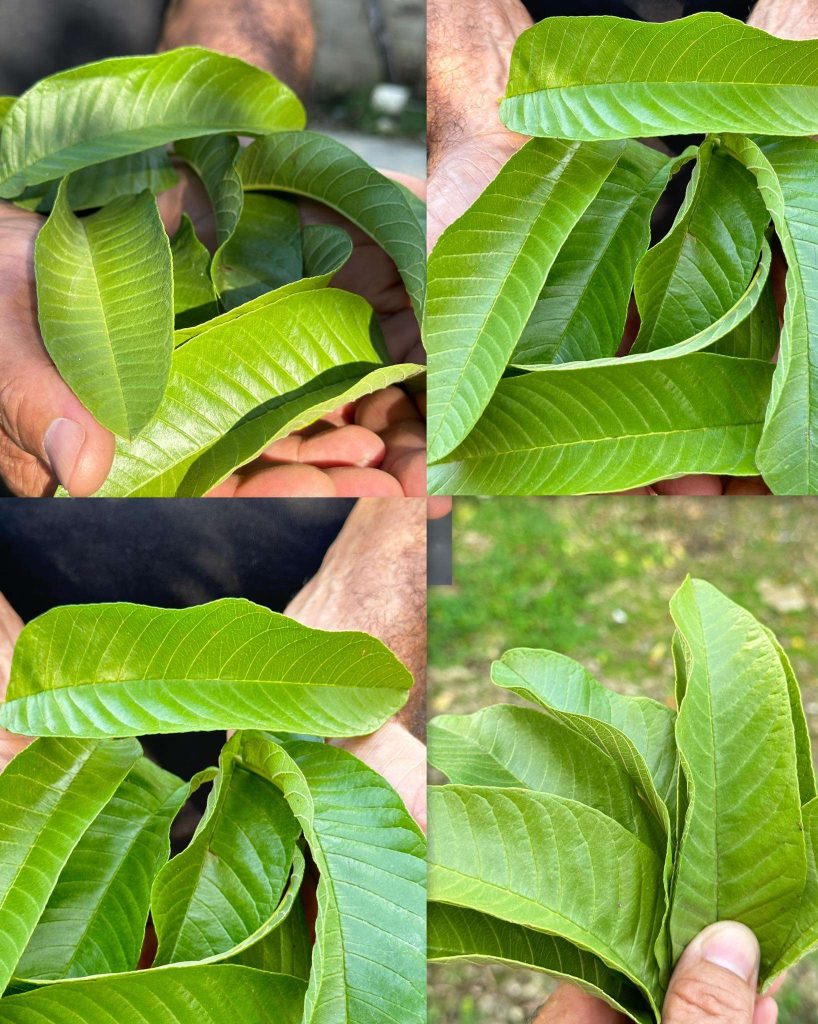
When we think of guava, we often picture the sweet, tropical fruit enjoyed fresh or in juices. Yet, the leaves of the guava tree (Psidium guajava) have been treasured for centuries in traditional medicine across Asia, Africa, and Latin America. Recent scientific studies now confirm what ancient healers knew — these humble leaves are packed with powerful compounds that can support digestive health, boost immunity, and even manage blood sugar. In this article, we’ll explore the remarkable benefits of guava leaves, share practical ways to use them, and explain why adding them to your wellness routine is a smart, natural choice. 🌿
1. Powerful Antioxidant and Anti‑Inflammatory Properties 🛡️
Guava leaves are rich in flavonoids, tannins, and vitamin C — especially quercetin, a potent antioxidant that helps neutralize free radicals. Free radicals are unstable molecules that can damage cells and accelerate aging. By reducing oxidative stress, guava leaf extracts may help lower the risk of chronic diseases like heart conditions and certain cancers. Additionally, these leaves contain anti‑inflammatory compounds that can soothe internal and external inflammation, making them useful for conditions such as arthritis, skin rashes, and even gum infections.
Practical tip: Brew a strong cup of guava leaf tea (steep 2–3 fresh or dried leaves in hot water for 10 minutes) and drink it daily to support your body’s natural defenses. For skin inflammation, apply cooled tea directly with a cotton pad. 🍵
2. Digestive Health: A Natural Remedy for Stomach Troubles 🫃
One of the most well‑documented uses of guava leaves is for treating digestive issues. The leaves contain antibacterial and antispasmodic properties that can help relieve diarrhea, stomach cramps, and food poisoning. Studies show that guava leaf extracts can inhibit the growth of harmful bacteria like E. coli and Salmonella, while also reducing excessive intestinal motility. This makes them a safe alternative to over‑the‑counter medications for mild digestive upset.
How to use: To stop occasional diarrhea, drink a cup of guava leaf tea after each loose stool. For chronic indigestion, sip unsweetened tea between meals. The tannins in the leaves also help soothe inflamed intestinal linings, promoting faster recovery.
3. Blood Sugar Management 🩸
Emerging research indicates that guava leaves can play a supportive role in managing type 2 diabetes. The leaves contain compounds that inhibit the absorption of sucrose and maltose, preventing rapid spikes in blood sugar after meals. A 2013 study found that participants who drank guava leaf tea experienced significantly lower post‑meal blood glucose levels compared to a placebo group. Additionally, regular consumption may improve insulin sensitivity over time.
Caution: If you are on diabetes medication, consult your doctor before adding guava leaf tea to your routine, as it may enhance the effects of your medication and lead to hypoglycemia. Always monitor your blood sugar levels closely.
4. Oral Health: Stronger Gums and Fewer Cavities 😁
Guava leaves are a natural ally for dental hygiene. Their antimicrobial properties help fight plaque‑forming bacteria, reduce gum inflammation, and prevent bad breath. Chewing on a few fresh leaves can be a quick, chemical‑free way to freshen your breath after meals. Moreover, the leaves’ astringent quality can tighten loose gums and reduce bleeding. Many natural toothpaste brands now include guava leaf extract for these reasons.
Easy oral rinse recipe: Boil 5–6 guava leaves in two cups of water for 15 minutes. Let the liquid cool, then use it as a mouthwash after brushing, holding it in your mouth for 30 seconds. Repeat daily for healthier gums and teeth. 🦷
5. Skin Care: Natural Acne Treatment and Wound Healing 🌸
The antibacterial and astringent properties of guava leaves make them excellent for topical skin applications. Applying a paste of crushed guava leaves can help dry out pimples, reduce redness, and prevent acne breakouts. The leaves also promote wound healing by accelerating tissue regeneration and preventing infection. For minor cuts, insect bites, or bruises, a poultice of crushed leaves or a compress soaked in guava leaf tea can speed up recovery.
DIY face mask: Grind a handful of fresh guava leaves into a paste with a little water. Apply to clean skin, leave for 15 minutes, then rinse with lukewarm water. Use twice a week for a clearer, smoother complexion. ✨
6. Supports Weight Loss Efforts 🥗
Guava leaves can indirectly support weight loss by improving metabolic function and digestion. The leaves help regulate blood sugar, which reduces cravings for sugary snacks. Their mild diuretic effect can also reduce water retention. Additionally, drinking guava leaf tea before meals may suppress appetite thanks to its natural fiber‑like compounds. While guava leaves are not a magic bullet for weight loss, they can be a helpful component of a balanced diet and exercise plan.
7. Cardiovascular Protection ❤️
Thanks to their high antioxidant content and ability to lower blood pressure and cholesterol levels, guava leaves offer significant cardiovascular benefits. Animal studies have shown that guava leaf extracts can reduce total cholesterol and triglycerides while increasing “good” HDL cholesterol. The leaves also help relax blood vessels, improving circulation and reducing the risk of hypertension. Including guava leaf tea in your daily routine may contribute to long‑term heart health.
Important note: Always consult a healthcare professional before using any herbal remedy for heart conditions, especially if you are already taking medications like ACE inhibitors or statins.
8. How to Prepare and Use Guava Leaves Correctly 📝
To get the most out of guava leaves, follow these guidelines:
- Fresh leaves: Pick young, bright green leaves from a clean guava tree. Wash thoroughly. They can be chewed directly, steeped for tea, or crushed into a paste for topical use.
- Dried leaves: Sun‑dry fresh leaves for 2–3 days, then store in an airtight container. Use 1–2 dried leaves per cup of hot water for tea.
- Tea: Boil leaves in water for 5–10 minutes, then strain. Drink 1–2 cups per day. Avoid adding sugar; a touch of honey is acceptable if needed.
- Powder: Grind dried leaves into a fine powder. Add half a teaspoon to smoothies, soups, or yogurt.
- Storage: Keep leaves in a cool, dark place. Fresh leaves last about a week in the refrigerator; dried leaves stay potent for several months.
9. Potential Side Effects and Precautions ⚠️
Guava leaves are generally safe for most people when consumed in moderate amounts. However, some individuals may experience mild side effects such as constipation, nausea, or skin irritation. Because the leaves can lower blood sugar and blood pressure, people with diabetes or hypotension should monitor their levels carefully. Pregnant or breastfeeding women are advised to consult a healthcare provider before regular use. As with any herbal supplement, start with a small dose to see how your body responds.
Conclusion: Embrace the Power of Guava Leaves 🌱
From ancient folk medicine to modern scientific research, guava leaves have proven themselves to be a versatile, affordable, and effective natural remedy. Whether you're looking to improve your digestion, manage blood sugar, enhance your skin, or simply boost your overall health, these leaves offer a wealth of benefits with minimal side effects. Incorporate guava leaf tea or powder into your daily routine and experience the difference. Remember to use fresh, high‑quality leaves and always listen to your body. 🌿
Disclaimer: This article is for informational purposes only and does not replace professional medical advice. Always consult a qualified healthcare practitioner before starting any new herbal regimen.
Deja una respuesta