BENEFITS OF GUAVA LEAVES
 Espanol
BENEFITS OF GUAVA LEAVES
Espanol
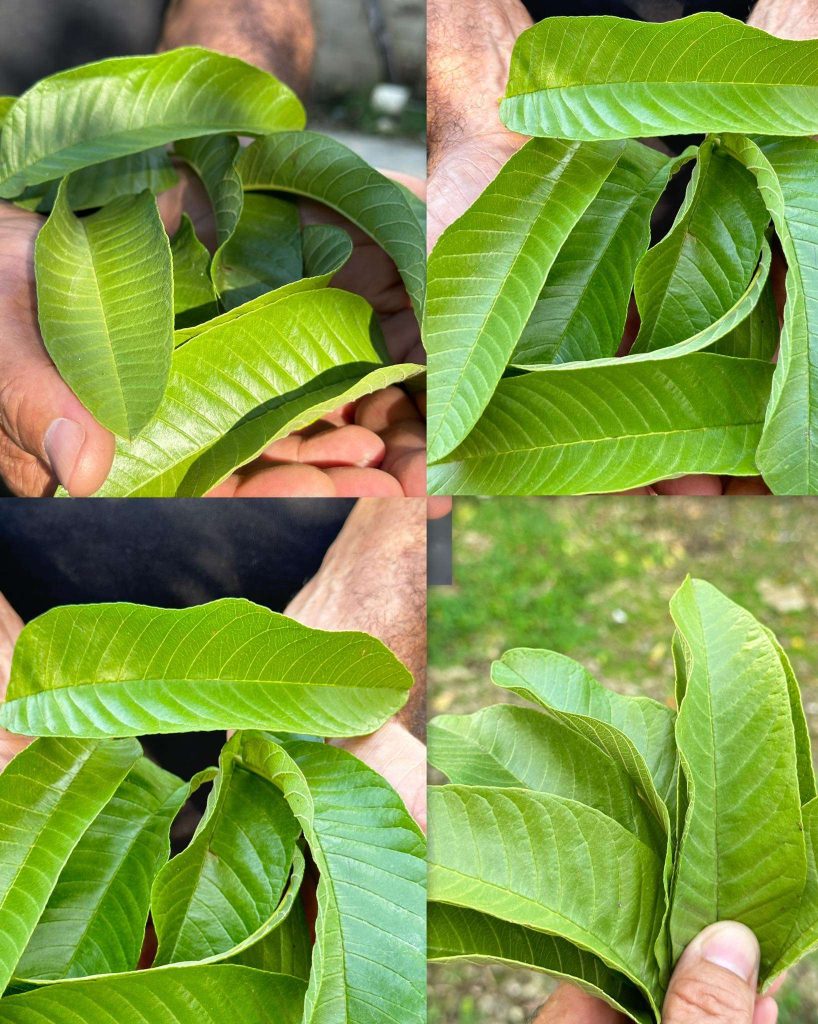
When most people think of guava, they imagine the sweet, fragrant fruit that brightens tropical markets. However, the leaves of the guava tree (Psidium guajava) hold a treasure trove of health benefits that have been used in traditional medicine for centuries. Modern research is now catching up with ancestral wisdom, revealing powerful compounds that support everything from digestion to heart health. In this article, we will explore the scientifically backed benefits of guava leaves, offer practical tips for incorporating them into your daily routine, and explain why this humble leaf deserves a spot in your wellness arsenal. 🍃
Nutritional Profile and Active Compounds
Guava leaves are rich in antioxidants, flavonoids, tannins, and essential oils. Key compounds like quercetin, vitamin C, carotenoids, and polyphenols give these leaves their remarkable therapeutic properties. Unlike the fruit, which is high in natural sugars, the leaves are low in calories and packed with plant-based chemicals that fight oxidative stress. This unique profile makes guava leaves a versatile natural remedy for a wide range of conditions. 🌱
Digestive Health Support 🌿
One of the most celebrated uses of guava leaves is for digestive issues. The leaves contain antimicrobial compounds that help combat harmful bacteria like *E. coli* and *Salmonella*, which can cause food poisoning and diarrhea. A 2015 study published in the Journal of Ethnopharmacology found that guava leaf extract effectively reduced the frequency and duration of diarrhea in children. Additionally, the leaves' anti-inflammatory properties soothe irritated intestinal linings, making them beneficial for conditions like irritable bowel syndrome (IBS) and gastritis.
Practical tip: Prepare a strong tea by steeping 5–10 fresh or dried guava leaves in boiling water for 10 minutes. Drink it twice daily during digestive distress. 🫖
Blood Sugar Regulation 🩸
For individuals managing type 2 diabetes or prediabetes, guava leaves can be a natural aid. Studies show that compounds in the leaves inhibit alpha-glucosidase, an enzyme that breaks down carbohydrates into sugar. This action slows glucose absorption after meals, preventing dangerous blood sugar spikes. A 2020 clinical trial involving diabetic participants found that drinking guava leaf tea for 12 weeks significantly lowered fasting blood glucose and HbA1c levels compared to a placebo group.
Important note: Always consult your healthcare provider before adding guava leaf supplements to your regimen, especially if you are on diabetes medication. 👨⚕️
Heart Health and Cholesterol Management ❤️
Guava leaves contribute to cardiovascular wellness in multiple ways. Their high concentration of soluble fiber and potassium helps lower LDL (bad) cholesterol while raising HDL (good) cholesterol. Animal studies have demonstrated that guava leaf extract reduces total cholesterol and triglycerides, partly due to its ability to inhibit cholesterol synthesis in the liver. Furthermore, the leaves' anti-hypertensive properties can help relax blood vessels, promoting healthy blood pressure levels.
Tip for heart health: Replace one cup of regular tea or coffee with guava leaf tea daily. Combined with a balanced diet and exercise, this small swap can have a meaningful impact over time. 🏃♂️
Weight Loss Aid ⚖️
If you are on a weight loss journey, guava leaves can support your efforts without adding calories. The leaves contain catechins and caffeine in modest amounts, which may slightly increase metabolism and fat oxidation. More importantly, the tea acts as a natural appetite suppressant. Drinking a cup before meals can promote a feeling of fullness, helping you eat smaller portions. Additionally, the leaves' ability to regulate blood sugar reduces cravings for sugary snacks caused by energy crashes.
Practical advice: Brew a cup of guava leaf tea 20 minutes before lunch and dinner. Combine with a high-fiber meal for best results. 🥗
Anti-inflammatory and Antimicrobial Properties 🛡️
Chronic inflammation is linked to many modern diseases, from arthritis to autoimmune disorders. Guava leaves are packed with anti-inflammatory compounds like quercetin and vitamin C that help reduce systemic inflammation. Topical applications of guava leaf paste or extract can also speed up wound healing, thanks to their antibacterial and antifungal activity. In traditional medicine, crushed leaves are applied directly to cuts, scrapes, and even acne lesions to prevent infection and reduce swelling.
For skin use: Crush 3–4 fresh leaves with a little water to form a paste. Apply to affected areas, leave for 15 minutes, then rinse. Repeat twice daily. 🌿
Skin and Hair Care ✨
Guava leaves are a hidden gem in natural beauty routines. Their antioxidant content fights free radicals that cause premature aging, while their astringent tannins help tighten pores and reduce excess oil. This makes guava leaf water an excellent toner for acne-prone or oily skin. For hair, a rinse made from boiled guava leaves can strengthen hair follicles, reduce dandruff, and promote shine due to its rich supply of vitamin B and beta-carotene.
DIY toner recipe: Steep a handful of leaves in boiling water for 30 minutes, cool, strain, and store in a glass bottle. Use after cleansing your face. For hair, use as a final rinse after shampooing. 🚿
How to Use Guava Leaves: Practical Tips 🌸
Here are the most effective ways to incorporate guava leaves into your daily life:
- Tea: Use 5–10 fresh or dried leaves per cup. Boil water, pour over leaves, steep 10–15 minutes, strain, and drink. Add a slice of lemon or honey if desired.
- Tincture: Soak crushed leaves in alcohol (vodka works) for 2–3 weeks, then strain. Take a few drops in water as a concentrated supplement.
- Powder: Dry leaves in a low oven (no more than 100°F/38°C) and grind to a fine powder. Mix into smoothies, soups, or capsules.
- Topical paste: For wounds or skin issues, crush fresh leaves with a mortar and pestle and apply directly.
- Hair rinse: Boil a large handful of leaves in 2 cups of water for 20 minutes, cool, strain, and use after shampoo.
Important caution: Guava leaves are generally safe, but excessive consumption may cause constipation due to their high tannin content. Stick to 1–3 cups of tea per day. Pregnant or breastfeeding women should consult a healthcare professional before use. ⚠️
Conclusion 🌟
Guava leaves are far more than a byproduct of the fruit—they are a versatile, affordable, and scientifically supported tool for improving health naturally. From soothing digestive issues and stabilizing blood sugar to supporting heart health and enhancing skin and hair, these leaves offer a wide spectrum of benefits backed by both tradition and research. By adding guava leaf tea, powder, or topical preparations to your routine, you can tap into centuries of herbal wisdom in a practical, modern way. Remember to start slowly, listen to your body, and enjoy the journey toward better wellness. 🍃💚
Disclaimer: This article is for informational purposes only and does not substitute professional medical advice. Always consult a qualified healthcare provider before starting any new herbal regimen, especially if you have underlying health conditions or are taking medication.
Deja una respuesta