Benefits of Guava Leaves
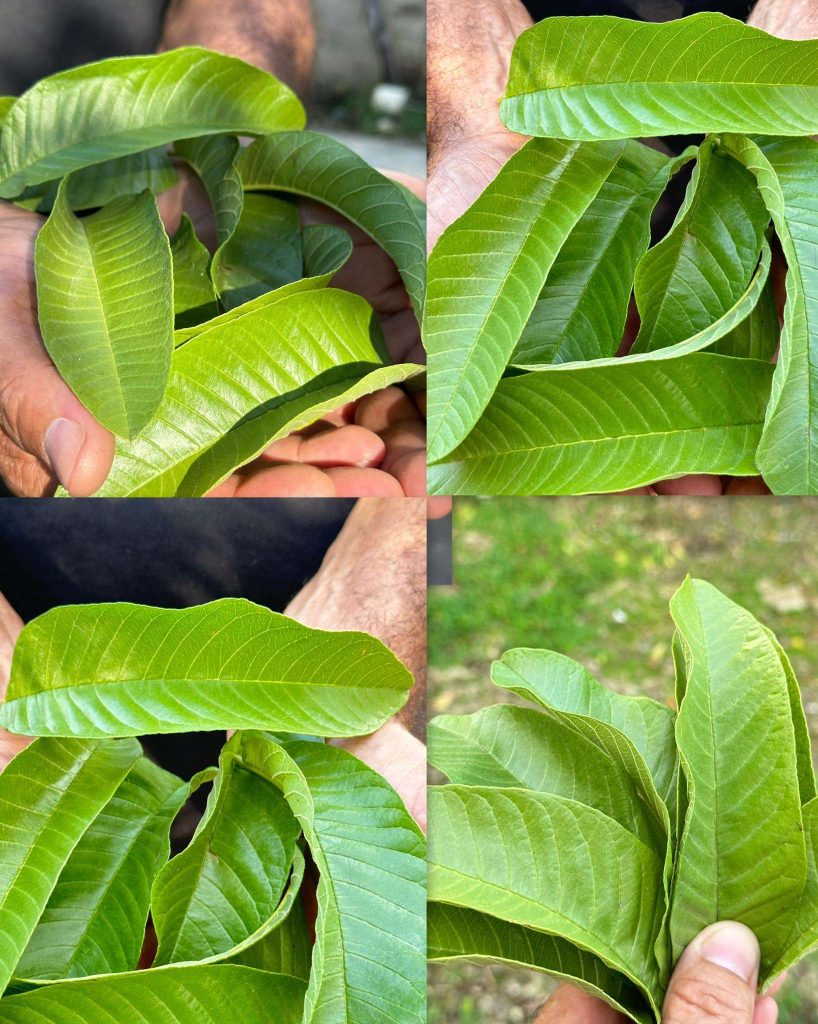
Benefits of Guava Leaves
 Espanol
🍃 When we think of guava, our minds usually go straight to the sweet, tropical fruit. But hidden in the branches of the guava tree are small, glossy leaves that pack a surprising punch of health benefits. For centuries, traditional medicine systems across Asia, Africa, and Latin America have used guava leaves as a natural remedy for everything from digestive issues to wound healing. Today, modern research is catching up, revealing the impressive science behind these humble leaves. In this article, we’ll explore the top benefits of guava leaves, how to use them, and why they deserve a spot in your wellness routine. Whether you’re looking for better digestion, clearer skin, or stable blood sugar, guava leaves might be the natural solution you’ve been searching for. Let’s dive in! 🌿
Espanol
🌱 What Makes Guava Leaves So Powerful?
Guava leaves are rich in bioactive compounds like flavonoids, tannins, and polyphenols that give them strong antioxidant and anti-inflammatory properties. The key players include quercetin, avicularin, and gallic acid. These compounds help neutralize free radicals, reduce oxidative stress, and support the body’s natural defense systems. Unlike many synthetic supplements, guava leaves provide a complex synergy of nutrients that work together for maximum benefit. The leaves can be consumed as tea, applied topically as a paste, or taken in extract form. Each method offers unique advantages, but the consistent theme is their versatility and safety. 🧪
💪 Digestive Health Support
One of the most well‑known uses of guava leaves is for digestive relief. The leaves contain high levels of tannins, which have astringent properties that can help soothe an upset stomach and reduce diarrhea. A study published in the Journal of Ethnopharmacology found that guava leaf extract significantly reduced the duration and severity of diarrhea in both children and adults. Additionally, the anti‑inflammatory compounds can calm intestinal inflammation, making it beneficial for conditions like irritable bowel syndrome (IBS).
Practical tip: To make a simple guava leaf tea, steep 5–10 fresh or dried leaves in a cup of boiling water for 10 minutes. Drink it 2–3 times a day between meals for best results. Avoid adding sugar, as it can counteract the astringent effect. 🍵
🩸 Blood Sugar Management
For those managing diabetes or prediabetes, guava leaves offer a natural way to help control blood sugar levels. Research indicates that compounds in the leaves can inhibit the absorption of sucrose and maltose in the gut, leading to a slower rise in blood glucose after meals. A study in Nutrition & Metabolism showed that consuming guava leaf tea before a meal significantly lowered post‑meal blood sugar spikes in participants with type 2 diabetes. The effect is attributed to the inhibition of alpha‑glucosidase enzymes.
Important reminder: Always consult your doctor before adding guava leaf tea to your diabetes management plan, especially if you are on medication. It is a supportive tool, not a replacement for medical treatment. 🩺
❤️ Heart Health and Cholesterol
Guava leaves can also contribute to a healthy heart. Several studies have shown that guava leaf extract can lower LDL (bad) cholesterol and triglycerides while increasing HDL (good) cholesterol. This is partly due to the high levels of antioxidants that prevent the oxidation of LDL cholesterol — a key step in the formation of arterial plaque. Additionally, the leaves have mild blood‑pressure‑lowering effects, likely from their ability to relax blood vessels.
🍈 A 2019 study on rats with high cholesterol found that guava leaf extract reduced total cholesterol by nearly 25% after eight weeks. While human studies are still needed, the preliminary evidence is promising. Adding guava leaf tea to a balanced diet could be a simple way to support cardiovascular wellness.
🧴 Skin and Hair Benefits
Topically applied guava leaves are a fantastic natural remedy for skin issues. Their antibacterial and anti‑inflammatory properties make them effective against acne, eczema, and minor wounds. The tannins help tighten pores and reduce excess oil, while the antioxidants speed up healing. For hair, guava leaf tea can be used as a rinse to strengthen follicles, reduce dandruff, and promote growth.
DIY face mask: Crush a handful of fresh guava leaves into a paste and mix with a little plain yogurt. Apply to your face, leave for 15 minutes, then rinse with warm water. Your skin will feel refreshed and less irritated. 🌸
🦷 Oral Health Protection
Chewing guava leaves or using a mouth rinse made from the boiled leaves can improve oral hygiene. The leaves have natural antimicrobial activity against bacteria that cause plaque, gingivitis, and bad breath. A study in Contemporary Clinical Dentistry found that a guava leaf mouthwash was as effective as a commercial mouthwash in reducing plaque and gum inflammation — without the alcohol or artificial chemicals.
How to use: Boil 10–12 leaves in 2 cups of water for 15 minutes, let it cool, and use it as a mouth rinse twice a day. It’s a gentle yet effective way to keep your mouth healthy. 🦷
⚖️ Weight Loss Support
While guava leaves are not a magic weight‑loss pill, they can support your efforts in several ways. First, the tea helps regulate blood sugar, reducing cravings for sugary snacks. Second, the leaves contain compounds that may slightly boost metabolism and improve fat oxidation. Third, the tea is naturally low in calories and can serve as a healthy replacement for sugary drinks. A warm cup of guava leaf tea in the evening can also encourage relaxation, which indirectly supports weight management by reducing stress‑related eating. 🏋️
🛡️ Anti‑Inflammatory and Immune Boosting
Chronic inflammation is at the root of many modern diseases, from arthritis to heart disease. The flavonoids and polyphenols in guava leaves help modulate the inflammatory response by inhibiting pro‑inflammatory cytokines. This makes them beneficial for people with inflammatory conditions like arthritis, gout, or even muscle soreness after exercise. Additionally, the high vitamin C content in guava leaves (especially in fresh ones) supports the immune system, helping you fight off colds and infections more effectively. 🦠
Pro tip: Combine guava leaf tea with a squeeze of lemon and a slice of ginger for an immune‑boosting drink that tastes great. 🍋
☕ How to Choose and Prepare Guava Leaves
- Fresh leaves: Pick vibrant, green leaves from a guava tree (or buy from a local market). Wash thoroughly before use. They have a mild, slightly earthy flavor.
- Dried leaves: You can air‑dry fresh leaves in a shaded area for 2–3 days. Store in an airtight container away from sunlight. Dried leaves are more concentrated.
- Tea bags / extracts: Available online or in health stores. Check the ingredient list to ensure no fillers or additives.
- Powder: Ground dried leaves can be added to smoothies, soups, or used in face masks. A typical dose is 1–2 teaspoons per day.
⚠️ Caution: Guava leaves are generally safe for most people, but pregnant or breastfeeding women should consult a healthcare provider before regular use. Also, avoid consuming excessive amounts as the high tannin content could cause constipation or stomach upset in sensitive individuals.
🔬 The Science Behind Guava Leaves (Quick Overview)
To give you a clearer picture, here are some of the key compounds and their actions:
| Compound | Function |
| Quercetin | Powerful antioxidant, anti‑inflammatory, supports heart health |
| Gallic acid | Antimicrobial, astringent, helps with diarrhea and oral health |
| Avicularin | Lowers blood sugar by inhibiting sugar absorption |
| Tannins | Astringent, reduces inflammation, promotes wound healing |
Note: This table is for illustration; in plain text, it's acceptable to use a simple list.
🧘 How to Incorporate Guava Leaves Into Your Daily Routine
Adding guava leaves to your life doesn’t need to be complicated. Here are three simple ways:
- Morning tea: Start your day with a cup of guava leaf tea instead of coffee or black tea. It’s caffeine‑free and provides gentle energy without jitters.
- Evening skin spritz: Boil a strong infusion of guava leaves, let it cool, and pour into a spray bottle. Use as a toning mist after cleansing.
- Mouth rinse before bed: Use the cooled tea as a final rinse after brushing to protect your gums overnight.
🌿 Consistency is key. You don’t need to overdo it — one or two cups of tea daily can deliver lasting benefits over time. Pair it with a balanced diet and regular exercise for the best results.
💚 Conclusion: Harness the Natural Power of Guava Leaves
From soothing digestive troubles to promoting glowing skin and stable blood sugar, guava leaves are a true multitasker in the world of natural health. They are affordable, easy to find, and backed by an increasing body of scientific evidence. While they are not a cure‑all, incorporating guava leaf tea or extract into your lifestyle can be a gentle yet effective way to support your overall well‑being. Remember to always listen to your body and consult a healthcare professional when adding any new supplement to your routine.
So next time you see a guava tree, don’t just reach for the fruit — take a few leaves and give them the respect they deserve. Your body will thank you. 🍃💚
Disclaimer: The information in this article is for educational purposes only and does not replace medical advice. Always consult a qualified healthcare provider before making changes to your health regimen.
Deja una respuesta