BENEFITS OF GUAVA LEAVES
 Espanol
🌿 Introduction: Unlocking the Hidden Power of Nature’s Green Treasure
Espanol
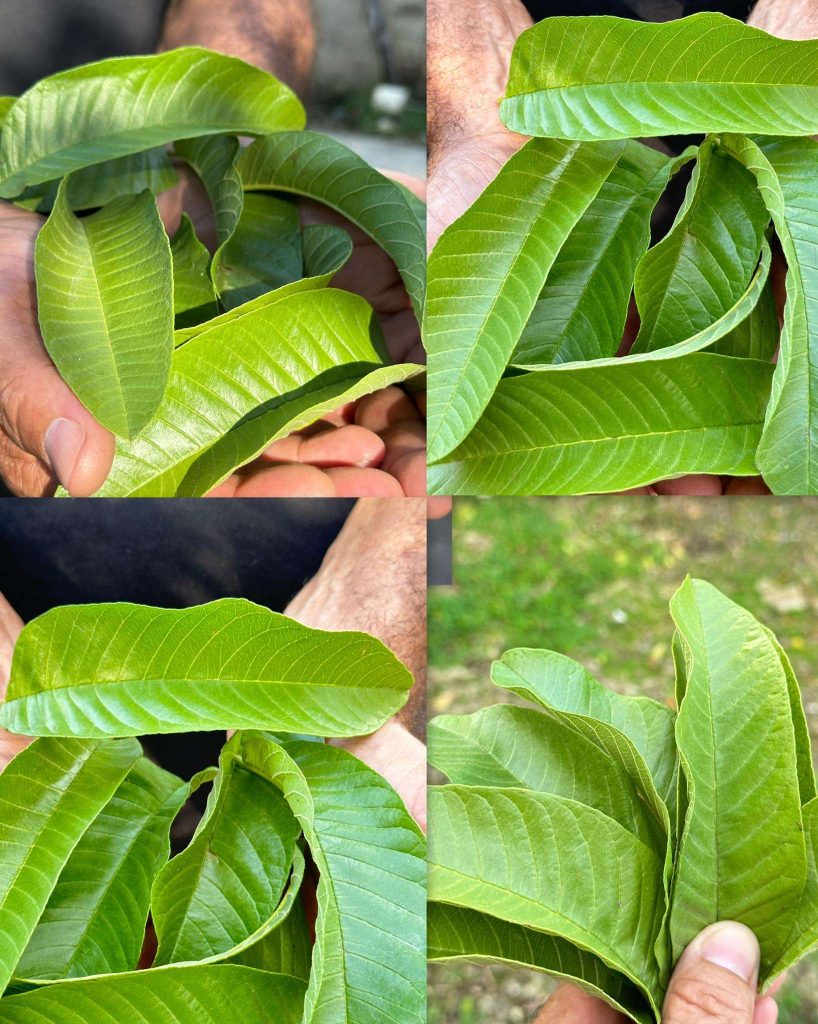
Have you ever walked past a guava tree and noticed its glossy, aromatic leaves, never suspecting the wealth of health benefits they hold? While the guava fruit is widely celebrated for its tropical sweetness and high vitamin C content, the leaves are often overlooked. Yet, for centuries, traditional medicine systems across Asia, Africa, and Latin America have harnessed the leaf’s potent compounds to treat everything from digestive upset to skin infections. In this comprehensive guide, we will dive deep into the scientifically supported benefits of guava leaves, explore practical ways to incorporate them into your daily routine, and reveal why this humble leaf deserves a prime spot in your natural wellness toolkit. Whether you are a health enthusiast, a curious beginner, or someone seeking affordable, plant-based remedies, this article is designed to provide you with actionable insights and a fresh perspective. Let’s embark on this green journey together! 🌱
🌍 A Brief Historical and Cultural Context
Guava (Psidium guajava) is native to Central America and the Caribbean, but its cultivation has spread to tropical and subtropical regions worldwide. The leaves have been used in folk medicine for generations. In Mexico, a tea made from guava leaves is a common remedy for diarrhea and stomachaches. In India, the leaves are chewed raw for dental health, while in parts of Africa, a decoction is applied topically to wounds and skin rashes. Modern research is now validating many of these traditional uses. Understanding this rich heritage adds depth to your appreciation of the leaf’s versatility. It is not just a trendy superfood; it is a time‑tested ally. Remember: when you use guava leaves, you are tapping into centuries of ancestral wisdom. 🧬
🔬 Key Bioactive Compounds in Guava Leaves
Before exploring specific benefits, it helps to know what makes guava leaves so effective. They contain a powerful mix of antioxidants, including quercetin, vitamin C, flavonoids, and tannins. These compounds work synergistically to fight inflammation, neutralize free radicals, and inhibit the growth of harmful microbes. The leaves also have a high concentration of polyphenols, which are linked to lower risk of chronic diseases. One standout component is guava leaf essential oil, rich in limonene and caryophyllene, which gives the leaves their distinctive aroma and contributes to their antimicrobial power. This chemical complexity explains why guava leaves can address such a wide range of health issues. 🌿
💪 Top Health Benefits of Guava Leaves – Backed by Science
🩺 1. Powerful Digestive Aid and Antidiarrheal
One of the most well‑documented uses of guava leaves is for digestive health. The tannins in the leaves have an astringent effect, which can help reduce intestinal inflammation and slow down bowel movements. A study published in the Journal of Ethnopharmacology found that guava leaf extract significantly reduced the duration and severity of diarrhea caused by bacteria. For a quick remedy: boil 5–10 fresh guava leaves in water for 10 minutes, strain, and drink the tea twice daily. It also helps soothe stomach cramps and bloating. However, if symptoms persist, consult a healthcare professional. 🍵
🦠 2. Antimicrobial and Antibacterial Properties
Guava leaves are natural germ fighters. Research shows that extracts can inhibit the growth of Staphylococcus aureus, E. coli, and even Salmonella. This makes them useful for preventing food poisoning and treating minor infections. You can use a cooled guava leaf tea as a mouthwash to combat bad breath, gingivitis, and oral ulcers. The leaf’s antimicrobial action also supports wound healing when applied topically. Tip: Crush a few fresh leaves into a paste and apply to minor cuts or insect bites to reduce swelling and prevent infection. Always clean the wound first. 🩹
🩸 3. Blood Sugar Regulation (Diabetes Support)
Several human and animal studies indicate that guava leaves can help lower blood glucose levels. The compounds quercetin and avicularin are believed to inhibit certain enzymes that break down carbohydrates, leading to a slower release of sugar into the bloodstream. A 2018 clinical trial involving patients with type 2 diabetes found that drinking guava leaf tea for 12 weeks significantly decreased post‑meal blood sugar levels. Important: If you are on diabetes medication, monitor your levels closely and discuss with your doctor before adding guava leaf tea to your routine. This is a complementary approach, not a replacement. 📉
❤️ 4. Cholesterol and Cardiovascular Health
High cholesterol is a major risk factor for heart disease. Guava leaves may help lower “bad” LDL cholesterol and triglycerides while increasing “good” HDL cholesterol. Animal studies have shown that guava leaf extract reduces total cholesterol and prevents the oxidation of LDL – oxidative damage that leads to artery plaque. The fiber and antioxidants in the leaves also support healthy blood pressure. For heart health: Incorporate guava leaf tea into your daily hydration. Pair it with a balanced diet rich in vegetables and whole grains. ❤️
🦷 5. Dental and Oral Health
Chewing guava leaves is a traditional practice in many cultures for whitening teeth and strengthening gums. Modern studies confirm that the leaves have anti‑plaque and anti‑inflammatory effects. A 2021 study found that guava leaf mouthwash reduced plaque and gingival inflammation as effectively as commercial chlorhexidine mouthwash, without the side effect of staining. Quick DIY: Steep 5 leaves in hot water, let it cool, and use as a rinse twice a day. This can also help with mouth ulcers and sore throats. 😁
🧴 6. Skin Care and Anti‑Aging
The antioxidants in guava leaves, especially vitamin C and lycopene, are superb for skin health. They combat oxidative stress caused by UV rays and pollution, which accelerates aging. Topical application of guava leaf extract can reduce acne, lighten dark spots, and soothe eczema or psoriasis. A simple toner: boil a handful of leaves in water, cool, and apply with a cotton pad. The astringent properties help tighten pores and balance oil production. For a refreshing face mask: grind fresh leaves with a little honey and apply for 15 minutes. Rinse with warm water for a natural glow. ✨
🧠 7. Potential Neuroprotective Effects
Emerging research suggests that guava leaves may protect brain cells from damage. The high flavonoid content has been linked to improved cognitive function and a lower risk of neurodegenerative diseases like Alzheimer’s. While human studies are still limited, animal models show that guava leaf extract reduces oxidative stress in the brain and improves memory. A simple habit: Drinking guava leaf tea regularly might be a delicious way to support your long‑term brain health. 🧠
⚖️ 8. Weight Management Support
Guava leaves can aid weight loss in two main ways. First, they help regulate blood sugar, which reduces insulin spikes and cravings for sugary snacks. Second, the compounds in the leaves can slightly boost metabolism and fat oxidation. While no miracle solution, incorporating guava leaf tea as part of a calorie‑controlled diet and exercise plan can give you an extra edge. Tip: Replace sugary juices or sodas with guava leaf tea to cut empty calories while gaining antioxidants. 🏋️
🍵 How to Prepare and Use Guava Leaves Safely
You can find fresh or dried guava leaves at health food stores, Asian markets, or online. Alternatively, if you have access to a guava tree, pick young, tender leaves for maximum potency. Here are three popular ways to use them:
- Guava Leaf Tea: Boil 5–10 leaves in 2 cups of water for 10–15 minutes. Strain and drink warm. Add a slice of lemon or a drop of honey if desired. Drink up to 2–3 cups per day.
- Topical Paste: Crush fresh leaves into a fine paste using a mortar and pestle or blender. Apply to wounds, acne, or insect bites. Leave for 15 minutes, then rinse.
- Mouthwash: Prepare a strong tea (10 leaves per cup), let it cool completely, and use as a gargle or rinse after brushing. Store in the fridge for up to 3 days.
Safety note: While guava leaves are generally safe, pregnant or breastfeeding women, people with kidney conditions, and those on blood‑thinning medication should consult a healthcare provider before regular use. Always start with small amounts to test tolerance. ⚠️
🌿 Comparing Guava Leaves to Other Herbal Remedies
You might wonder how guava leaves stack up against other popular herbs like green tea, peppermint, or chamomile. Green tea is excellent for antioxidants but contains caffeine; guava leaf tea is caffeine‑free, making it suitable for evening use. Peppermint is great for digestion, but guava leaves offer stronger antimicrobial properties. Chamomile is calming, while guava leaves are more targeted for blood sugar and cholesterol. The best approach is to rotate different herbs based on your needs. Guava leaves are a versatile, affordable addition to any herbal medicine cabinet. 🔄
📊 Scientific Studies – A Quick Overview of Evidence
For readers who appreciate data, here are a few key studies that support the benefits we have discussed:
- A 2015 randomized controlled trial in Complementary Therapies in Medicine found that guava leaf tea significantly reduced menstrual cramps (dysmenorrhea) due to its antispasmodic effect.
- A 2017 study in Nutrition Research showed that guava leaf extract lowered post‑meal blood sugar by 10% in healthy adults.
- A 2020 review in Molecules confirmed the leaf’s broad‑spectrum antimicrobial activity against 12 common pathogens.
- Animal studies from 2022 indicate that topical guava leaf extract accelerates wound closure by 30% compared to untreated wounds.
While more large‑scale human trials are needed, the existing evidence is promising. You can feel confident using guava leaves as a complementary wellness tool. 🔬
🌱 Environmental and Economic Benefits of Using Guava Leaves
Choosing guava leaves also supports sustainability. Guava trees are hardy and require minimal water and pesticides compared to many commercial crops. By using every part of the plant – fruit and leaves – you reduce food waste. Additionally, growing your own guava tree can provide a continuous supply of leaves for free. Even if you buy them, dried guava leaves are inexpensive. This makes them an accessible remedy for people of all income levels. Embracing natural remedies like guava leaves is a win for your health and the planet. 🌍
🧪 Potential Side Effects and Precautions
Guava leaves are very safe when used in food amounts. However, excessive consumption (more than 4‑5 cups of strong tea per day) may cause constipation due to the high tannin content. Some people may experience mild nausea or allergic reactions – discontinue use if you notice any adverse effects. Because guava leaves can lower blood sugar and blood pressure, those on medication for these conditions should monitor closely. Always listen to your body and start low. 🩺
📝 Conclusion – Your Next Step Toward Natural Wellness
We have journeyed from the roots of traditional medicine to the cutting‑edge of modern science, uncovering how guava leaves can enhance your digestive health, fight infections, stabilize blood sugar, support your heart, improve your skin, and even protect your brain. The evidence is clear: this unassuming leaf is a powerhouse of benefits waiting to be unlocked. Whether you sip a warm cup of guava leaf tea each morning, use a topical paste for a minor cut, or simply chew a leaf after meals for fresh breath, you are embracing a simple, effective, and ancient practice. Start today: pick up some fresh or dried guava leaves from your local market or harvest them from a nearby tree. Incorporate them into your routine, and notice the positive changes in your body and energy levels. Your health is your greatest wealth – and nature has provided an incredible tool right in your backyard. 🌟
Disclaimer: This article is for informational purposes only and does not constitute medical advice. Always consult a qualified healthcare professional before starting any new herbal regimen, especially if you have underlying conditions or are taking medication.
Deja una respuesta