BENEFITS OF GUAVA LEAVES
 Espanol
🌿 Discover the Remarkable Health Benefits of Guava Leaves 🌿
Espanol
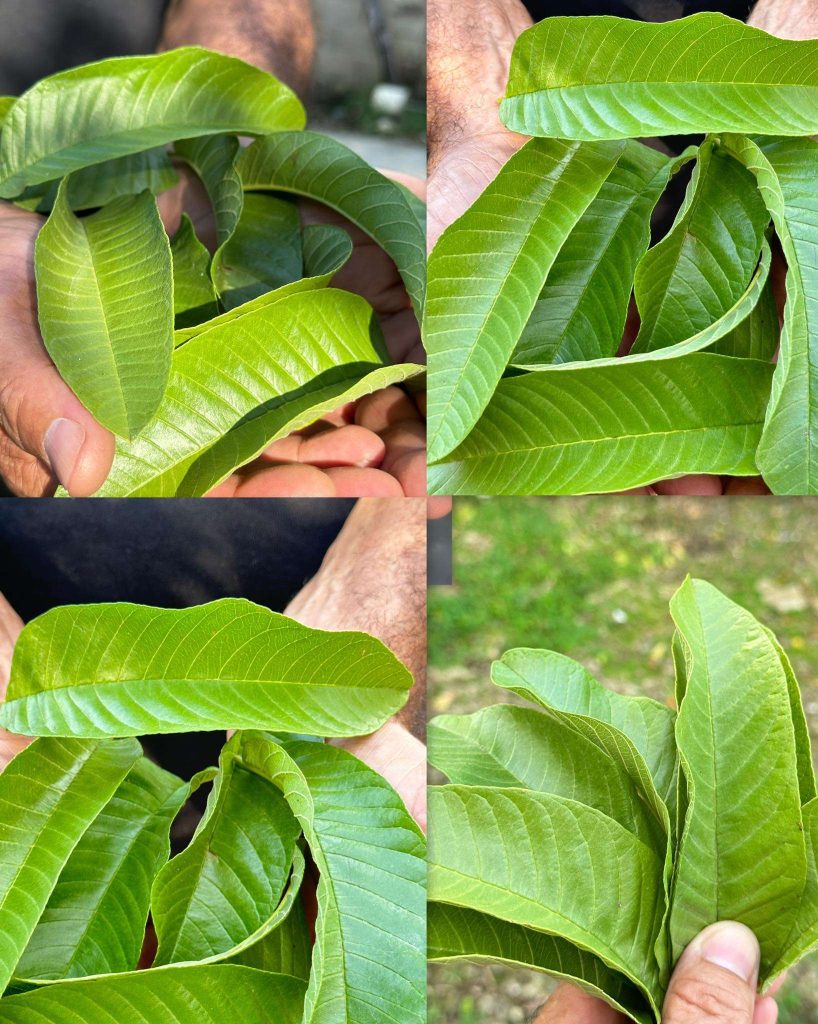
When we think of guava, our minds typically jump to the sweet, aromatic fruit. Yet the leaves of the guava tree (Psidium guajava) hold a treasure trove of medicinal properties that have been used for centuries in traditional medicine across Asia, Africa, and Latin America. Modern scientific research is now confirming what herbalists have long known: guava leaves are a powerhouse of antioxidants, antimicrobial compounds, and anti‑inflammatory agents. In this article, we will explore the key benefits of guava leaves, how to use them safely, and why they deserve a place in your natural wellness routine. Whether you are looking to improve digestion, boost immunity, or care for your skin, guava leaves offer practical, evidence‑based solutions.
🍃 Nutritional Profile and Active Compounds
Guava leaves are rich in polyphenols, flavonoids (such as quercetin), tannins, and vitamin C. These compounds work synergistically to combat oxidative stress, reduce inflammation, and fight harmful microbes. A single cup of guava leaf tea can provide a concentrated dose of antioxidants that rival many green teas. The presence of essential oils like eugenol and caryophyllene also contributes to its distinctive aroma and therapeutic effects. Understanding these active ingredients helps explain why guava leaves are so versatile.
🛡️ Supports Digestive Health
One of the most well‑known benefits of guava leaves is their ability to soothe digestive issues. The high tannin content acts as an astringent, helping to reduce inflammation in the intestinal lining and firm up loose stools. Clinical studies have shown that a decoction of guava leaves can be effective in managing diarrhea, including acute infectious diarrhea, by inhibiting the growth of bacteria like E. coli and Staphylococcus aureus. Additionally, guava leaf tea can relieve stomach cramps and bloating by relaxing the smooth muscles of the gastrointestinal tract. Tip: For best results, steep 3–5 fresh or dried guava leaves in a cup of hot water for 10 minutes, strain, and drink twice a day.
🩸 Helps Regulate Blood Sugar Levels
Emerging research suggests that guava leaf extracts may play a role in managing type 2 diabetes. The polyphenols in the leaves inhibit the activity of alpha‑glucosidase and alpha‑amylase, enzymes that break down carbohydrates into simple sugars. By slowing the absorption of glucose after meals, guava leaves can help prevent dangerous blood sugar spikes. A 2013 study published in Nutrition and Metabolism found that diabetic participants who consumed guava leaf tea experienced a significant reduction in post‑prandial blood glucose compared to a placebo group. Important: Always consult your healthcare provider before adding any herbal supplement to your diabetes management plan, especially if you are on medication.
🦷 Promotes Oral Health
Chewing guava leaves or using a mouthwash made from the leaf decoction can improve oral hygiene significantly. The antimicrobial and anti‑inflammatory properties combat plaque formation, gingivitis, and oral ulcers. A 2016 study in the Journal of Clinical and Diagnostic Research demonstrated that a guava leaf mouthwash was as effective as a commercial chlorhexidine mouthwash in reducing plaque and gingival inflammation, but with fewer side effects like teeth staining. Practical advice: Boil a handful of washed guava leaves in two cups of water for 15 minutes, let it cool, and use it as a daily mouth rinse after brushing.
🌸 Enhances Skin Health and Wound Healing
Thanks to its antibacterial and astringent properties, guava leaf extract is a wonderful natural remedy for acne, dark spots, and minor wounds. Applying crushed guava leaves directly onto pimples can reduce redness and speed up healing. The same tannins that help with diarrhea also tighten pores and reduce excessive oil production. For a simple face mask, grind fresh leaves into a paste with a little water and apply for 15 minutes twice a week. Additionally, guava leaf poultices have been used in traditional medicine to treat eczema and contact dermatitis by calming inflammation and preventing infection.
🧠 Strengthens Immune Function
With a remarkably high concentration of vitamin C (up to five times more than an orange in some leaf extracts) and powerful flavonoids, guava leaves are excellent immune boosters. Regular consumption of guava leaf tea can help the body fight off common colds and flu by stimulating the production of white blood cells and neutralizing free radicals. Research also indicates that the leaves have mild antiviral activity against certain respiratory viruses. Pro tip: Add a slice of lemon and a teaspoon of honey to your guava leaf tea to enhance its immune‑supporting effects and improve the taste.
🌿 How to Prepare and Use Guava Leaves Safely
Guava leaves can be used fresh, dried, or as a commercial extract. Here are the most common methods:
- Tea: Steep 3–4 fresh leaves (or 2 teaspoons of dried leaves) in a cup of hot water for 8–10 minutes. Strain and drink up to two cups daily. Do not exceed this amount, as excessive tannins may cause digestive upset.
- Mouthwash: Boil 5–6 leaves in 2 cups of water for 10 minutes, let it cool, then gargle or rinse your mouth after brushing.
- Topical paste: Grind fresh leaves into a paste and apply to acne, wounds, or skin irritations. Leave on for 15–20 minutes, then rinse with cool water.
- Compressed leaves: For quick relief from insect bites or minor cuts, crush a clean leaf directly on the affected area.
Safety note: Guava leaves are generally safe, but pregnant and breastfeeding women should consult a doctor before using medicinal amounts. Also, avoid applying undiluted extracts on large areas of broken skin.
🔬 Scientific Evidence and Traditional Wisdom
While many of these benefits have been used in folk medicine for centuries, contemporary research supports them. A 2021 review in Frontiers in Pharmacology highlighted the anti‑diabetic, anti‑microbial, and anti‑inflammatory potential of guava leaf extracts. However, most studies have been conducted in vitro or on animals, so more human clinical trials are needed. That said, the risk of side effects is low when used appropriately, making guava leaves a safe complementary option for many common health concerns. Always source leaves from organic, pesticide‑free plants if possible.
📝 Conclusion: A Simple, Powerful Natural Ally
Guava leaves are far more than just a by‑product of the fruit. They are a versatile, affordable, and scientifically supported natural remedy that can improve digestion, stabilize blood sugar, enhance oral health, soothe skin conditions, and strengthen your immune system. By incorporating guava leaf tea, mouthwash, or topical applications into your daily routine, you can tap into hundreds of years of traditional wisdom backed by modern research. Remember: consistency is key, and always listen to your body. 🌱
Start exploring the benefits of guava leaves today — your health will thank you. If you have any questions or experiences you'd like to share, feel free to leave a comment below. Stay natural, stay well! 💚
Deja una respuesta