Benefits of Guava Leaves
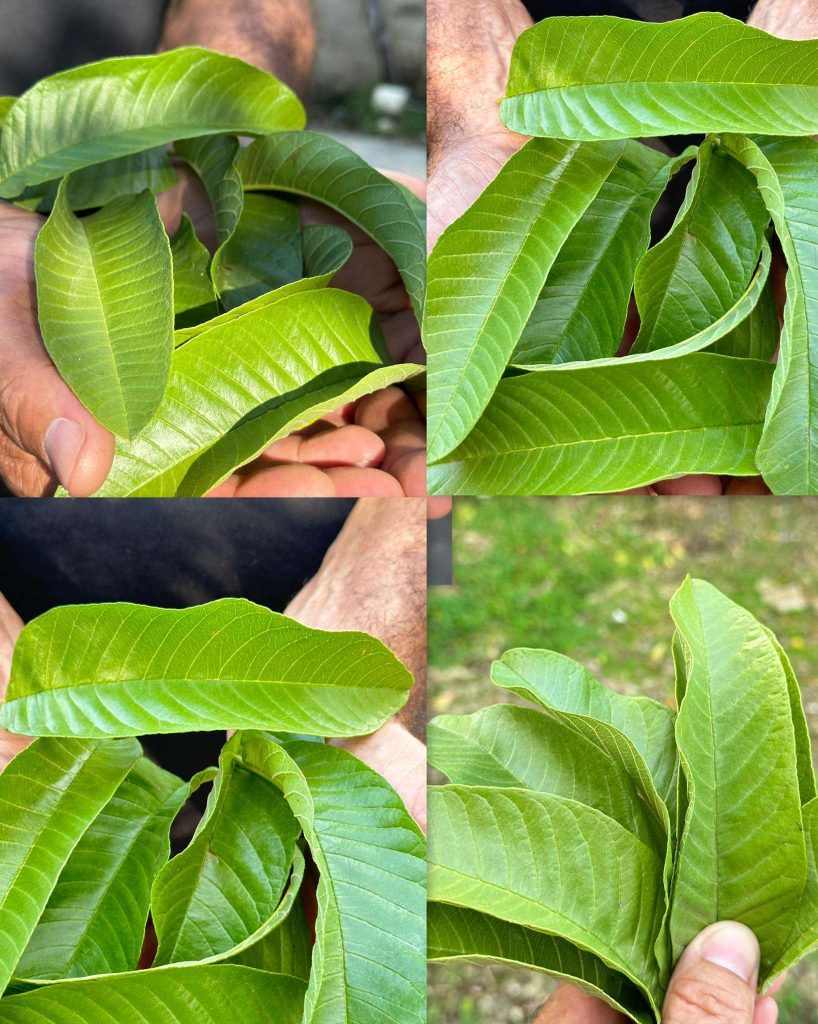
Introduction 🌿
 Espanol
Guava leaves are far more than a simple byproduct of the fruit we love to eat. Across traditional medicine systems in Asia, Latin America, and Africa, these leaves have been used for centuries to treat everything from digestive issues to skin infections. Modern research is now validating many of these ancient claims, revealing that guava leaves are packed with powerful antioxidants, anti‑inflammatory compounds, and antimicrobial agents. In this article, we’ll explore the top benefits of guava leaves, how to use them safely, and practical tips to incorporate them into your daily wellness routine. Whether you’re looking to improve digestion, boost immunity, or enhance your skin health, guava leaves offer a natural, affordable solution. Let’s dive in! 🌱
Espanol
1. Rich Nutritional Profile 🧪
Guava leaves are a concentrated source of bioactive compounds. They contain high levels of vitamin C, flavonoids like quercetin, carotenoids, and essential oils such as eugenol and cineol. These compounds work together to provide potent antioxidant effects that help fight oxidative stress and slow down cellular aging. Remarkably, dried guava leaves can contain up to five times more vitamin C than the fruit itself. Additionally, they are rich in tannins, which have astringent properties that can tighten tissues and reduce inflammation. Incorporating guava leaf tea or extracts into your routine is an easy way to tap into this nutrient‑dense powerhouse. 🍵
2. Supports Digestive Health 🫃
One of the most well‑known uses of guava leaves is for digestive support. The leaves’ antimicrobial and antispasmodic properties help combat bacteria that cause diarrhea and soothe intestinal cramps. Studies have shown that a decoction of guava leaves can significantly reduce the duration and severity of infectious diarrhea, including those caused by E. coli and Salmonella. Drinking a cup of guava leaf tea after meals can also relieve bloating, gas, and indigestion. The tannins in the leaves help form a protective coating on the stomach lining, which can be beneficial for those with mild gastritis or ulcers. For best results, use fresh or dried leaves—avoid adding sugar, as it can counteract the anti‑diarrheal effect. 🛑
3. Helps Regulate Blood Sugar Levels 🩸
For individuals managing diabetes or prediabetes, guava leaves may be a valuable natural aid. Research indicates that compounds in guava leaves can inhibit the absorption of sucrose and maltose, leading to a slower rise in blood glucose after meals. A study published in the journal Nutrition and Metabolism found that consuming guava leaf extract reduced post‑meal blood sugar spikes by up to 25% in participants with type 2 diabetes. Regular consumption of guava leaf tea may also improve insulin sensitivity. However, it’s important to consult your healthcare provider before using guava leaves alongside diabetes medications, as their effects can be additive. ☕📉
4. Promotes Skin Health and Wound Healing 🩹
The anti‑inflammatory and antimicrobial properties of guava leaves make them excellent for skin care. A paste made from crushed fresh guava leaves can be applied to acne, cuts, or insect bites to reduce swelling and prevent infection. The leaves’ high vitamin C content supports collagen production, accelerating wound healing and minimizing scarring. For a simple DIY face mask, mix powdered dried guava leaves with honey or yogurt and apply for 15 minutes. This can help reduce acne breakouts and even out skin tone. Guava leaf extract is also found in many commercial skincare products for its soothing effects on conditions like eczema and psoriasis. 🌸
5. Boosts Immune Function 🛡️
With their abundant antioxidants and antimicrobial compounds, guava leaves are a natural immune booster. Regular intake of guava leaf tea can help your body fight off common infections like colds and flu. The quercetin in guava leaves has been shown to reduce inflammation in the respiratory tract and may inhibit the replication of certain viruses. Additionally, the leaves’ vitamin C content strengthens the immune system’s first line of defense—the skin and mucous membranes. During cold and flu season, sipping guava leaf tea daily can be a proactive, gentle way to support your body’s natural defenses. 🍃🤧
6. May Aid in Weight Management ⚖️
Guava leaves can be a helpful adjunct to a healthy weight loss plan. They are believed to interfere with the conversion of complex carbohydrates into simple sugars, thereby reducing the amount of glucose that gets stored as fat. Moreover, the leaves have a mild diuretic effect, helping to reduce water retention. Drinking guava leaf tea before meals may also promote a feeling of fullness, leading to reduced calorie intake. While no single food can replace a balanced diet and exercise, incorporating guava leaves into your routine offers a natural, low‑calorie way to support your weight loss goals. 🏋️♂️
7. Improves Oral Health 🦷
Chewing on fresh guava leaves or using a mouthwash made from leaf decoction can significantly improve oral hygiene. The antimicrobial activity of guava leaves helps combat plaque‑forming bacteria, reduce gum inflammation, and prevent bad breath. A study in the Journal of Ethnopharmacology found that guava leaf extract was effective against Streptococcus mutans, the primary bacterium responsible for dental caries. For a homemade mouthwash, boil a handful of washed guava leaves in water for 10 minutes, let it cool, and strain. Use it to rinse daily after brushing. This natural remedy can complement your regular dental care routine. 🪥
8. Potential Anti‑Cancer Properties 🧬
Emerging research suggests that guava leaves may possess anti‑cancer potential. The high concentration of antioxidants, especially quercetin and lycopene, has been shown to induce apoptosis (programmed cell death) in certain cancer cell lines, including those of breast, prostate, and skin cancers. While these findings are preliminary and based on cell and animal studies, they are promising. It’s important to note that guava leaves are not a replacement for cancer treatment, but they can be a beneficial addition to an anticancer diet rich in plant‑based compounds. As always, consult your oncologist before making dietary changes. 🔬
How to Use Guava Leaves Safely 🛡️
To maximize benefits and minimize risks, follow these practical guidelines:
- Tea: Steep 5–10 fresh or dried leaves in boiling water for 10–15 minutes. Drink 1–3 cups per day.
- Topical application: Crush fresh leaves into a paste or boil them and use the cooled water as a compress.
- Extract/Tincture: Use only reputable commercial preparations; follow dosage instructions.
- Precautions: Avoid excessive consumption—more than 4–5 cups daily may cause digestive upset. Pregnant and breastfeeding women should consult a doctor. Guava leaves can lower blood pressure and blood sugar, so monitor levels if you are on medication.
Always source organic leaves when possible to avoid pesticide residue, and wash them thoroughly before use. 🌿
Conclusion 📝
Guava leaves are a true gift from nature, offering a wide array of health benefits that range from improving digestion and controlling blood sugar to enhancing skin health and boosting immunity. Their rich content of antioxidants, vitamins, and antimicrobial compounds makes them a versatile and affordable addition to any wellness routine. Whether you choose to drink them as a soothing tea, apply them topically, or use them in DIY beauty recipes, guava leaves can help you achieve better health naturally. Start small—try a cup of guava leaf tea today—and observe how your body responds. As with any natural remedy, consistency and mindfulness are key. Embrace this simple, powerful leaf and let it support your journey toward vibrant well‑being. 🌟🍃
Deja una respuesta