BENEFITS OF GUAVA LEAVES
 Espanol
BENEFITS OF GUAVA LEAVES 🍃
Espanol
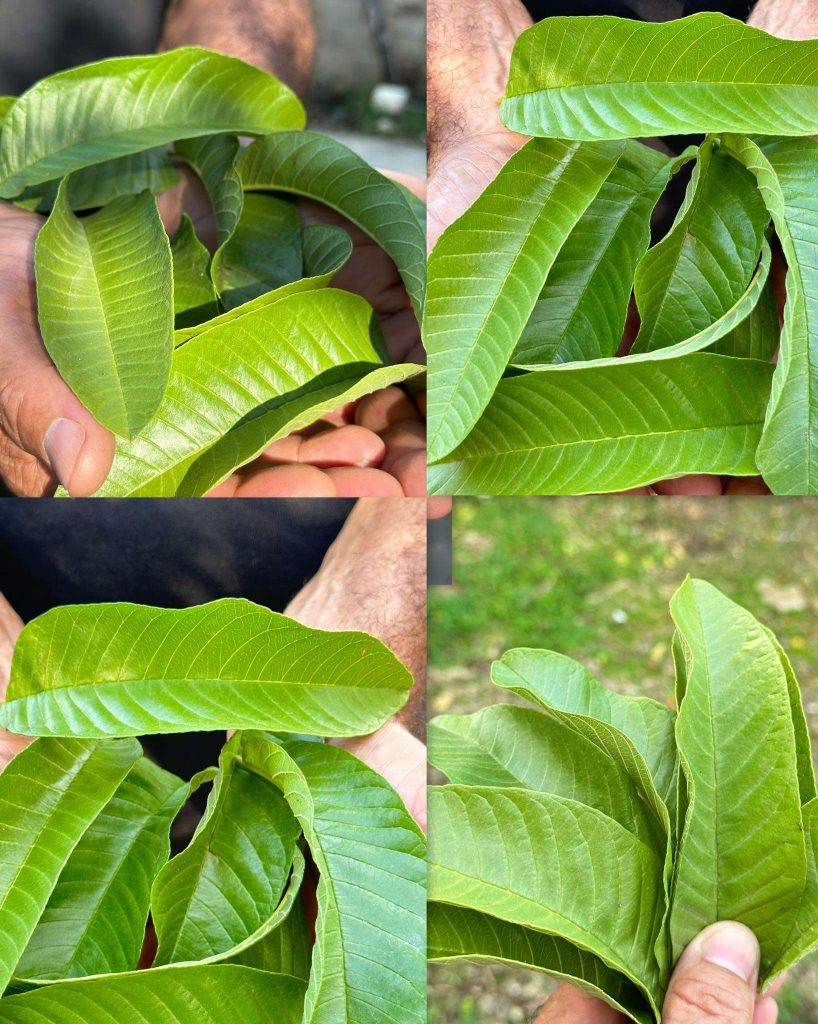
When you think of guava, the sweet, tropical fruit likely comes to mind. But did you know that the leaves of the guava tree (Psidium guajava) are a powerhouse of natural healing? For centuries, traditional medicine systems across Asia, Africa, and Latin America have used guava leaves to treat everything from digestive issues to skin infections. Modern science is now catching up, validating many of these age-old uses with clinical studies. 🌿
In this article, we'll explore the top scientifically-backed benefits of guava leaves, how to use them safely, and practical tips to incorporate them into your daily wellness routine. Whether you're dealing with an upset stomach, looking for a natural way to lower blood sugar, or wanting to strengthen your hair, guava leaves might be the herbal remedy you've been searching for.
Nutritional Profile of Guava Leaves
Guava leaves are packed with bioactive compounds that give them remarkable therapeutic properties. They contain high levels of antioxidants like flavonoids (quercetin, kaempferol), tannins, and vitamin C. Additionally, they provide essential minerals such as calcium, iron, and phosphorus. The leaves also hold volatile oils like eugenol, which contributes to their antimicrobial and anti-inflammatory effects.
What makes guava leaves special is the presence of polyphenols that are even more concentrated than in the fruit itself. This means a simple tea made from fresh or dried leaves can deliver a potent dose of protective compounds. 💪
Top Health Benefits of Guava Leaves 🌟
1. Digestive Health and Diarrhea Relief
One of the most well-documented uses of guava leaves is for treating diarrhea. Research published in the Journal of Ethnopharmacology shows that compounds in guava leaves can inhibit the growth of harmful bacteria like E. coli and Staphylococcus aureus while reducing intestinal motility. This helps stop diarrhea without causing constipation.
Practical tip: Boil 5-7 fresh guava leaves in 2 cups of water for 10 minutes, strain, and sip the tea 2-3 times daily. For acute diarrhea, this can bring relief within 24 hours. 🍵
2. Blood Sugar Control for Diabetics
Guava leaf tea has been shown to significantly lower post-meal blood sugar spikes. A study in Nutrition and Metabolism found that consuming guava leaf extract before a high-carb meal inhibited the activity of alpha-glucosidase, an enzyme that breaks down starches into sugar. This effect is comparable to some prescription diabetes medications.
For best results, drink unsweetened guava leaf tea about 15-30 minutes before meals. However, always consult your doctor before using it alongside diabetes medications, as it may cause hypoglycemia. 🩺
3. Heart Health and Cholesterol Reduction
The antioxidants in guava leaves help lower LDL ("bad") cholesterol and triglycerides while increasing HDL ("good") cholesterol. A 2016 study on animals showed that guava leaf extract reduced total cholesterol by 20% after 8 weeks. The flavonoids also improve blood circulation and prevent platelet aggregation, reducing the risk of heart attacks and strokes. ❤️
4. Anti-Inflammatory and Pain Relief
For centuries, guava leaves have been used as a natural painkiller. The anti-inflammatory properties come from quercetin and other compounds that inhibit pro-inflammatory cytokines. The leaves can be applied topically as a poultice for arthritis pain, muscle aches, or insect bites.
DIY remedy: Crush fresh guava leaves into a paste with a little water, apply to the affected area, and wrap with a cloth. Leave for 30 minutes. Repeat as needed. 🌿
5. Antimicrobial and Wound Healing
Guava leaf extracts are effective against a wide range of bacteria, fungi, and even some viruses. The tannins and essential oils act as natural antiseptics. In traditional practice, people use chewed guava leaves or a concentrated decoction to clean cuts, scrapes, and mouth ulcers.
A 2019 study confirmed that guava leaf ointment accelerated wound closure in diabetic rats faster than standard treatments. For minor wounds, wash the area with cooled guava leaf tea twice daily. 🩹
6. Oral Health and Gum Care
Market your toothpaste aside; guava leaves are a superior oral hygiene aid. The antimicrobial action combats plaque-causing bacteria like Streptococcus mutans, reducing the risk of cavities and gum disease. The leaves also relieve toothaches and bad breath.
How to use: Chew 2-3 soft, young leaves directly (they taste mildly bitter but refreshing), or gargle with a strong decoction. Regular use can strengthen gums and whiten teeth naturally. 😁
7. Weight Management Support
Guava leaves can be a helpful tool in weight loss efforts. They prevent complex carbohydrates from being fully absorbed (thanks to the alpha-glucosidase inhibition), which reduces calorie intake from carbs. Additionally, the tea has a mild diuretic effect that reduces water retention.
Drink a cup of guava leaf tea before meals to feel fuller longer and curb cravings. No need to add sugar or honey – the natural taste is pleasant enough. ⚖️
8. Skin Health and Anti-Aging
The high antioxidant content makes guava leaves excellent for skin care. They neutralize free radicals that cause premature aging, reduce acne-causing bacteria, and soothe sunburns. Apply cooled tea as a toner or add the leaf paste to homemade face masks.
For acne: Dip a cotton ball in strong guava leaf tea and apply to affected areas night and morning. The tannins also help tighten pores and reduce excess oil. ✨
9. Hair Growth and Scalp Health
Guava leaves stimulate hair follicles due to their rich content of vitamin B complex and iron. They strengthen hair shafts and reduce breakage. Anecdotal evidence suggests that regular scalp massages with guava leaf-infused oil can promote thicker, shinier hair.
To make the oil: Chop a handful of leaves, infuse them in coconut oil over low heat for 15 minutes, then strain. Massage into scalp weekly. 💇
How to Prepare Guava Leaf Tea ☕
There are several ways to enjoy guava leaves. The most common is tea:
- Fresh leaves: Wash 5-8 leaves, crush them slightly, and boil in 3 cups of water for 10 minutes. Strain and drink.
- Dried leaves: Use 1-2 teaspoons of dried leaves per cup of boiling water. Steep for 10-15 minutes.
- Powder: Grind dried leaves into a fine powder. Use half a teaspoon in hot water or smoothies.
Storage: Fresh leaves keep in the refrigerator for up to a week. Dried leaves or powder should be stored in an airtight container away from light. 🌞
Potential Side Effects and Precautions
While guava leaves are generally safe, consider these points:
- Pregnancy and breastfeeding: Limited studies; avoid high doses. Stick to occasional tea.
- Diabetes medications: Monitor blood sugar closely; adjust medication with doctor's guidance.
- Allergies: Rare, but test a small amount of tea first if you are allergic to other tropical plants.
- Digestive issues: Excessive consumption may cause constipation due to tannins.
Always source leaves from organic, pesticide-free trees if possible. 🚫
Conclusion: Your Natural Wellness Ally 🌱
Guava leaves are far more than garden waste – they are a versatile, affordable, and scientifically supported herbal remedy. From soothing an upset stomach to protecting your heart and skin, these leaves offer a natural path to better health without the side effects of synthetic drugs.
Start your journey by trying a simple cup of guava leaf tea tomorrow morning. Notice how your digestion feels, how your energy remains stable, and how much lighter you feel. Incorporate the topical uses for your skin and hair, and you'll quickly understand why this humble leaf has been treasured for generations.
Remember: Nature's pharmacy is often right in your backyard. Guava leaves are a perfect example of how simple, whole-plant remedies can bring profound benefits. Share this knowledge with friends and family – you might just help someone discover their next go-to natural remedy. 💚
Disclaimer: This article is for informational purposes only and does not replace professional medical advice. Always consult a healthcare provider before starting any new herbal regimen.
Deja una respuesta