BENEFITS OF GUAVA LEAVES
 Espanol
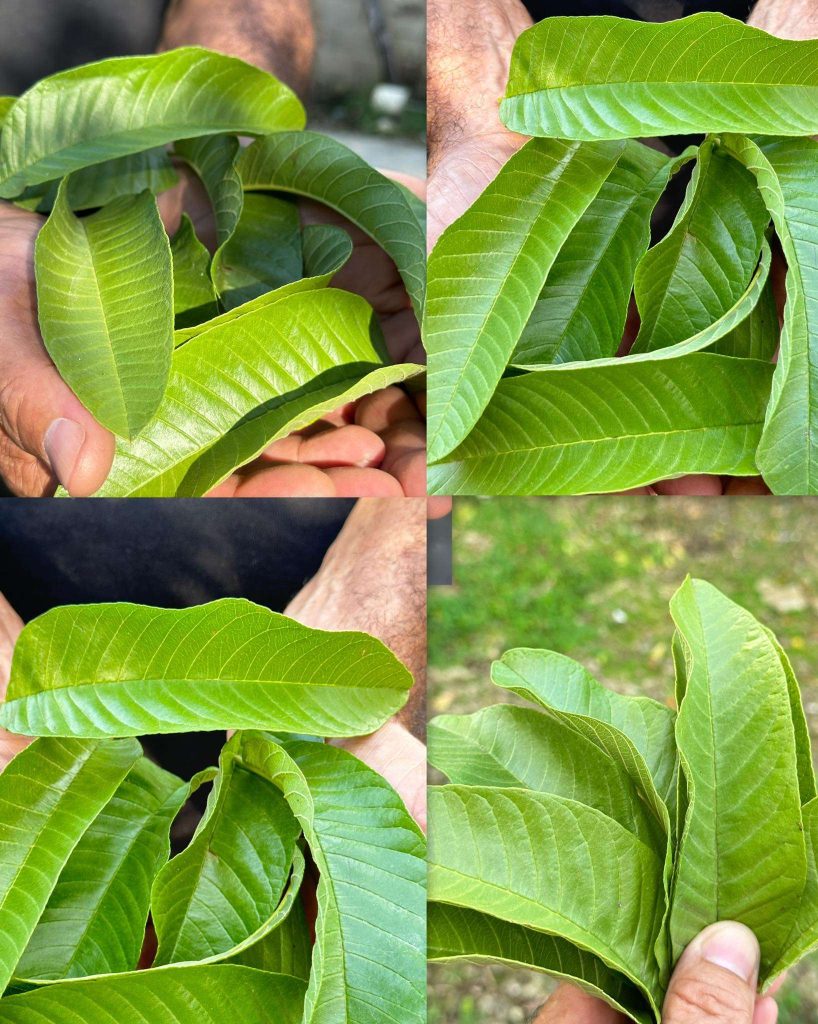
Guava leaves are one of nature’s most underrated treasures. While many people focus on the sweet and tangy fruit, the leaves themselves pack a powerful punch of antioxidants, vitamins, and bioactive compounds. In this article, we will explore the most compelling benefits of guava leaves, from digestive health to skin care, and show you how to incorporate them into your daily routine. Whether you are looking for natural remedies or simply want to boost your overall well‑being, this guide will provide clear, practical insights. 🌿
Espanol
What Makes Guava Leaves So Special? 🧪
Before diving into specific benefits, it helps to understand the nutritional and chemical profile of guava leaves. They are rich in vitamin C, flavonoids, tannins, and essential oils like eugenol. These compounds are responsible for the leaves’ anti‑inflammatory, antimicrobial, and antioxidant properties. Unlike many herbs that lose potency when dried, guava leaves retain much of their active ingredients, making them a reliable choice for homemade teas and poultices. Dr. Maria López, a natural medicine researcher, notes: “Guava leaves are a prime example of how traditional knowledge aligns with modern science.” 🌱
Top 7 Benefits of Guava Leaves – Backed by Research
1. Digestive Health Support 🩺
One of the most celebrated uses of guava leaves is for treating diarrhea and indigestion. A study published in the Journal of Ethnopharmacology found that guava leaf extract can inhibit the growth of bacteria that cause gastrointestinal infections. The tannins in the leaves have an astringent effect, helping to firm up stools and reduce inflammation in the gut. To use, steep 5–6 fresh leaves (or 2 teaspoons of dried leaves) in a cup of hot water for 10 minutes. Drink this tea twice daily after meals. For best results, avoid adding sugar or milk as they can interfere with the tannins. 🍵
2. Blood Sugar Management 📉
Guava leaves have shown promise in reducing blood sugar spikes after meals. Compounds like flavonoids and polysaccharides slow down the absorption of carbohydrates in the intestines. A clinical trial involving 19 participants with type 2 diabetes reported that drinking guava leaf tea for 12 weeks led to a significant drop in post‑meal glucose levels. For those managing diabetes, consider drinking one cup of guava leaf tea 30 minutes before a carb‑heavy meal. Always consult your doctor first, as the leaves may interact with insulin or oral hypoglycemic agents. 🩸
3. Weight Loss and Metabolism Boost 🏋️
While guava leaves are not a magic solution, they can support weight loss by preventing the conversion of complex starches into simple sugars. This means fewer calories are absorbed from carbohydrates. Additionally, the tea acts as a mild diuretic, helping to reduce bloating. For a practical tip: swap your afternoon soda for a cup of chilled guava leaf tea. It is naturally caffeine‑free and contains no artificial sweeteners. Pair it with regular exercise, and you may notice a difference in your energy levels and waistline. 💪
4. Skin Health and Acne Treatment 🌸
Thanks to its antibacterial and anti‑inflammatory properties, guava leaf extract is an excellent natural remedy for acne and blemishes. The eugenol in the leaves helps kill acne‑causing bacteria, while the antioxidants soothe redness. To create a gentle toner: boil a handful of leaves in water, let it cool, and apply with a cotton ball twice daily. You can also crush a few leaves into a paste and apply directly to pimples as a spot treatment. Leave it on for 15 minutes before rinsing. Always do a patch test first, especially if you have sensitive skin. 🧴
5. Oral Hygiene and Gum Health 🦷
Many traditional cultures chew guava leaves to keep their teeth and gums healthy. Modern studies confirm that the leaf extract is effective against Streptococcus mutans, the primary bacteria behind cavities. The leaves also help reduce plaque and alleviate gum inflammation. You can simply chew a fresh leaf (washed) for a few minutes, then spit it out. Alternatively, steep the leaves in water and use the liquid as a mouthwash. For a stronger effect, add a pinch of salt. Do not swallow the leaf residue as it may irritate the stomach. 😁
6. Heart Health and Cholesterol Control ❤️
High cholesterol is a major risk factor for heart disease, and guava leaves may help lower it. Animal studies have shown that guava leaf extract reduces total cholesterol, LDL (“bad” cholesterol), and triglycerides while increasing HDL (“good” cholesterol). The antioxidants in the leaves also protect blood vessels from oxidative damage. While human studies are still limited, incorporating guava leaf tea into a heart‑healthy diet (rich in fiber, lean proteins, and healthy fats) is a safe and proactive step. For optimal results, aim for 1–2 cups per day. 🥗
7. Immune System Strengthening 🛡️
With a high concentration of vitamin C and flavonoids, guava leaves can give your immune system a natural boost. Regular consumption may help shorten the duration of colds and flu. The anti‑inflammatory effect also aids in reducing fever and soothing sore throats. To make a soothing immune tea: add a slice of fresh ginger and a squeeze of lemon to your guava leaf infusion. Drink it warm, especially during the change of seasons. This combination maximizes the absorption of vitamin C and adds a pleasant flavor. 🌡️
How to Select, Store, and Prepare Guava Leaves 📦
Fresh leaves are best, but high‑quality dried leaves work too. Look for leaves that are vibrant green, free from spots, and not wilted. If you are buying dried leaves, choose those with a strong, grassy aroma. Store fresh leaves in the refrigerator in a damp paper towel inside a bag – they will last up to a week. Dried leaves should be kept in an airtight container away from light and moisture. For tea, use about 3–4 fresh leaves per cup or 1 tablespoon of dried leaves. Simmer gently (do not boil for more than 5 minutes) to preserve the delicate compounds. 🍃
Potential Side Effects and Precautions ⚠️
While guava leaves are generally safe, excessive consumption can lead to constipation due to the high tannin content. Pregnant and breastfeeding women should consult a healthcare professional before using guava leaf teas or extracts. People with low blood pressure or those on blood‑pressure medication should also be cautious because the leaves may have a mild hypotensive effect. As with any natural remedy, start with small amounts and observe how your body responds. If you experience nausea, dizziness, or skin irritation, discontinue use. 🩺
Conclusion: Why You Should Add Guava Leaves to Your Wellness Routine 🌟
Guava leaves are a versatile, affordable, and science‑backed addition to a healthy lifestyle. From improving digestion and managing blood sugar to enhancing skin health and supporting heart function, the benefits are hard to ignore. The beauty of this plant is that it can be used in many forms: tea, topical paste, mouthwash, or even as a simple chewing leaf. Remember to always source organic leaves when possible to avoid pesticide residue, and pair your use with a balanced diet and regular exercise for maximum impact. Start small – try a cup of guava leaf tea tomorrow morning. Your body will thank you. 🌱✨
Deja una respuesta