BENEFITS OF GUAVA LEAVES
 Espanol
Introduction 🌿 Did you know that the humble guava tree hides a powerhouse of wellness in its leaves? While the fruit is celebrated worldwide, the leaves are often discarded—yet they have been used for centuries in traditional medicine across Asia, Africa, and Latin America. Packed with antioxidants, anti-inflammatory compounds, and antimicrobial properties, guava leaves offer a natural, affordable way to support digestion, skin health, immunity, and more. In this article, we will dive deep into the scientifically backed benefits of guava leaves, share practical tips for using them, and guide you on how to incorporate this green treasure into your daily routine. Whether you are a health enthusiast or simply curious about natural remedies, prepare to discover why guava leaves deserve a spot in your home apothecary. 🍃✨
Espanol
🌟 Nutritional Profile of Guava Leaves
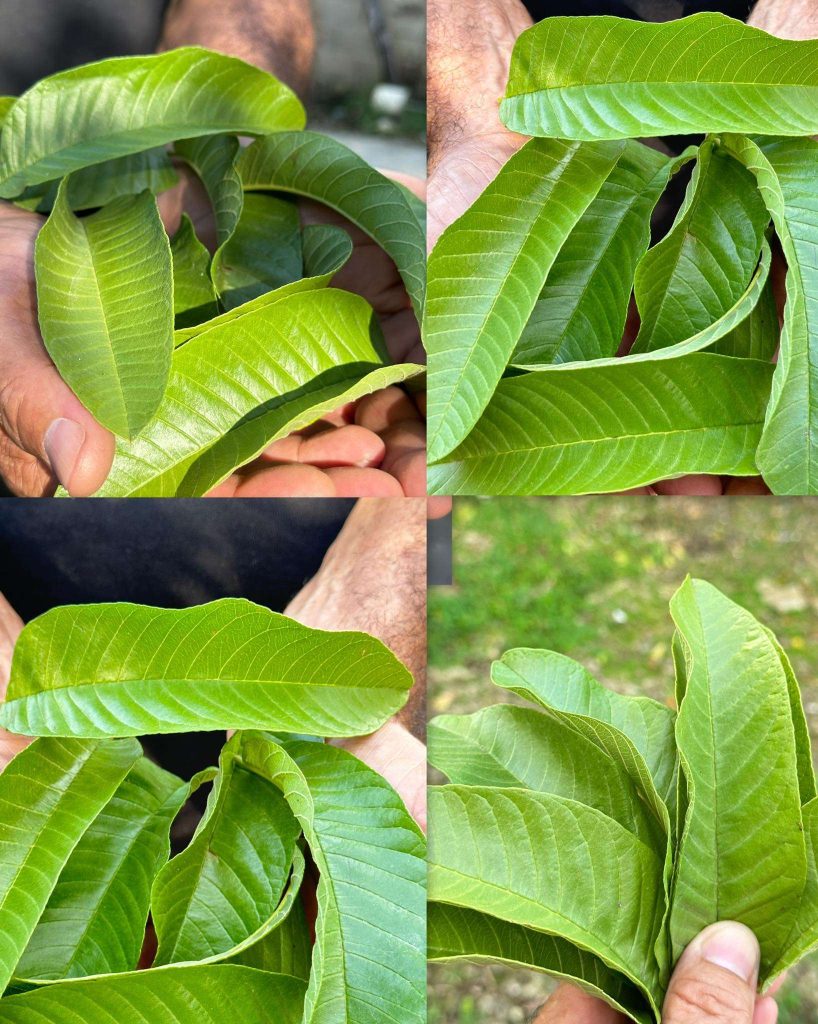
Guava leaves are far more than just foliage. They contain a rich array of bioactive compounds that contribute to their therapeutic effects. Key components include:
- Flavonoids (quercetin, avicularin, guaijaverin) – powerful antioxidants that fight oxidative stress and inflammation.
- Tannins – astringent compounds that help tighten tissues, reduce diarrhea, and promote wound healing.
- Vitamin C – an immune booster that also supports collagen production for healthy skin.
- Essential oils (eugenol, caryophyllene) – known for their antimicrobial and pain-relieving properties.
- Polyphenols – which help lower blood sugar and cholesterol levels.
This unique combination makes guava leaves a versatile natural remedy. Unlike many commercial supplements, guava leaves are accessible, inexpensive, and free from synthetic additives. 🌱
🍃 Top Health Benefits of Guava Leaves
1. Digestive Health Support 🫀
Perhaps the most well-known use of guava leaves is for digestive issues. The leaves contain compounds that can inhibit the growth of harmful bacteria (like E. coli and Salmonella) while promoting a healthy gut environment. Drinking guava leaf tea is a traditional remedy for diarrhea, dysentery, and stomach upset. The astringent tannins help reduce inflammation in the intestinal lining and slow down fluid loss. For best results, steep 2–3 fresh leaves (or one teaspoon of dried leaves) in hot water for 5–10 minutes. Sip this tea twice a day to calm an irritated stomach. 🍵
2. Blood Sugar Regulation 🩸
Multiple studies have shown that guava leaf extract can help lower blood glucose levels. The flavonoids in the leaves inhibit enzymes that break down carbohydrates, which slows sugar absorption after meals. This makes guava leaf tea a valuable ally for individuals with type 2 diabetes or prediabetes. A 2010 study published in the Journal of Ethnopharmacology found that participants who consumed guava leaf tea experienced a significant reduction in post-meal blood sugar spikes. However, always consult your doctor before using it alongside diabetes medications. 👨⚕️
3. Heart Health and Cholesterol Control ❤️
Guava leaves also contribute to cardiovascular wellness. The antioxidants and soluble fiber in the leaves can reduce “bad” LDL cholesterol and triglycerides while increasing “good” HDL cholesterol. Additionally, the anti-inflammatory properties help protect blood vessels from damage, lowering the risk of hypertension and atherosclerosis. A daily cup of guava leaf tea, combined with a balanced diet, may support long‑term heart health. 🫶
4. Skin Care and Wound Healing 🧴
Thanks to their antimicrobial and anti‑inflammatory actions, guava leaves are excellent for topical use. Crushing fresh leaves into a paste and applying it to acne, cuts, or insect bites can speed up healing and reduce swelling. Guava leaf extract is also a common ingredient in natural soaps and creams due to its ability to fight acne‑causing bacteria without drying the skin. You can also use a cooled guava leaf tea as a facial toner for a gentle, refreshing cleanse. 🌸
5. Immune System Booster 🛡️
With a high concentration of vitamin C and antimicrobial compounds, guava leaves help strengthen the body’s defenses. Regular consumption of the tea may reduce the frequency of colds, flu, and other infections. The leaves also exhibit antiviral activity against common pathogens like herpes simplex and influenza. During cold season, try adding a slice of ginger and a dash of honey to your guava leaf tea for a comforting, immune‑friendly drink. 🤧➡️💪
6. Oral Health 😁
Guava leaves have been used as a natural toothbrush and mouthwash in many cultures. Chewing on a tender leaf or rinsing with a decoction can reduce plaque, gum inflammation, and bad breath. The antibacterial properties target Streptococcus mutans, a primary cause of cavities. To make a mouthwash, boil a handful of leaves in water for 15 minutes, let it cool, and swish it around your mouth for 30 seconds. This simple practice can complement your regular dental hygiene routine. 🦷
🌿 How to Use Guava Leaves Effectively
There are several simple ways to incorporate guava leaves into your daily life:
- Guava Leaf Tea – The most common method. Use fresh or dried leaves. Boil 2–3 leaves (or 1–2 teaspoons of dried leaves) in 250 ml of water for 10 minutes, then strain. Drink up to two cups per day.
- Topical Paste – Crush a handful of fresh leaves into a smooth paste using a mortar and pestle. Apply directly to acne, wounds, or eczema patches. Leave on for 15–20 minutes, then rinse with warm water.
- Guava Leaf Extract – You can buy concentrated tinctures or capsules from health stores. Follow the manufacturer’s dosage instructions, or consult a herbalist.
- Hair Rinse – After shampooing, pour a cooled guava leaf infusion over your hair. It helps strengthen roots, reduce dandruff, and add shine.
Remember to always wash fresh leaves thoroughly to remove any pesticides or dirt. If you are pregnant, breastfeeding, or have a medical condition, talk to a healthcare professional before using guava leaves in medicinal amounts. 🧑⚕️
⚖️ Precautions and Considerations
While guava leaves are generally safe for most people, a few points deserve attention:
- Allergies – Rarely, some individuals may be allergic to compounds in guava leaves. Start with a small amount to test your reaction.
- Medication Interactions – Because guava leaves can lower blood sugar and blood pressure, they may amplify the effects of prescription drugs. Monitor your levels closely if you are on such medications.
- Pregnancy and Breastfeeding – Limited research exists on safety during pregnancy. Stick to culinary amounts (e.g., occasional tea) and avoid concentrated extracts unless advised by a doctor.
- Digestive Upset – Excessive consumption may cause constipation or stomach discomfort due to high tannin content. Moderation is key.
As with any herbal remedy, quality matters. Choose organic leaves whenever possible, and avoid leaves from trees treated with chemical sprays. Store dried leaves in an airtight container away from light. 📦
🔍 Scientific Studies Supporting Guava Leaves
To give you confidence in these benefits, here are some peer‑reviewed findings:
- A 2018 study in Food & Function found that guava leaf extract inhibited α‑amylase and α‑glucosidase enzymes, confirming its anti‑diabetic potential.
- Research published in Asian Pacific Journal of Tropical Biomedicine (2013) demonstrated that guava leaf essential oil showed strong antibacterial activity against Staphylococcus aureus and Candida albicans.
- In a 2020 randomized trial, participants who drank guava leaf tea for 12 weeks experienced a significant drop in LDL cholesterol compared to the placebo group.
These studies underscore the traditional wisdom with modern evidence. Science continues to uncover new applications for this remarkable plant. 🧪
🌱 Conclusion: Embrace the Power of Guava Leaves
From soothing an upset stomach to protecting your heart and skin, guava leaves are a true gift of nature. They are affordable, easy to use, and backed by centuries of traditional practice as well as modern research. By adding a cup of guava leaf tea to your morning ritual or using a simple paste on your skin, you can tap into a wealth of wellness benefits without expensive treatments. 🏡💚
Remember to start gradually, listen to your body, and always choose high‑quality leaves. Whether you grow your own guava tree or purchase dried leaves from a trusted source, this green ally can become a staple in your natural health toolkit. So next time you enjoy a juicy guava, save those leaves—your health will thank you! 🍃🥤
Disclaimer: This article is for informational purposes only and does not replace professional medical advice. Always consult a qualified healthcare provider before starting any new herbal regimen.
Deja una respuesta