Benefits of Guava Leaves
 Espanol
🌿 Discover the Remarkable Health Benefits of Guava Leaves – a natural powerhouse often overlooked in favor of the fruit itself. While guava is beloved for its sweet taste and vitamin C content, the leaves hold a treasure trove of medicinal properties that have been used for centuries in traditional medicine across Asia, Africa, and Latin America. This article dives deep into the science‑backed benefits of guava leaves, offering practical advice on how to incorporate them into your daily wellness routine. Whether you're looking to improve digestion, manage blood sugar, or boost your immune system, guava leaves deserve a spot in your natural remedy cabinet. Let’s explore the evidence and learn how to harness their potential safely and effectively.
Espanol
🍃 Nutritional Profile and Key Bioactive Compounds
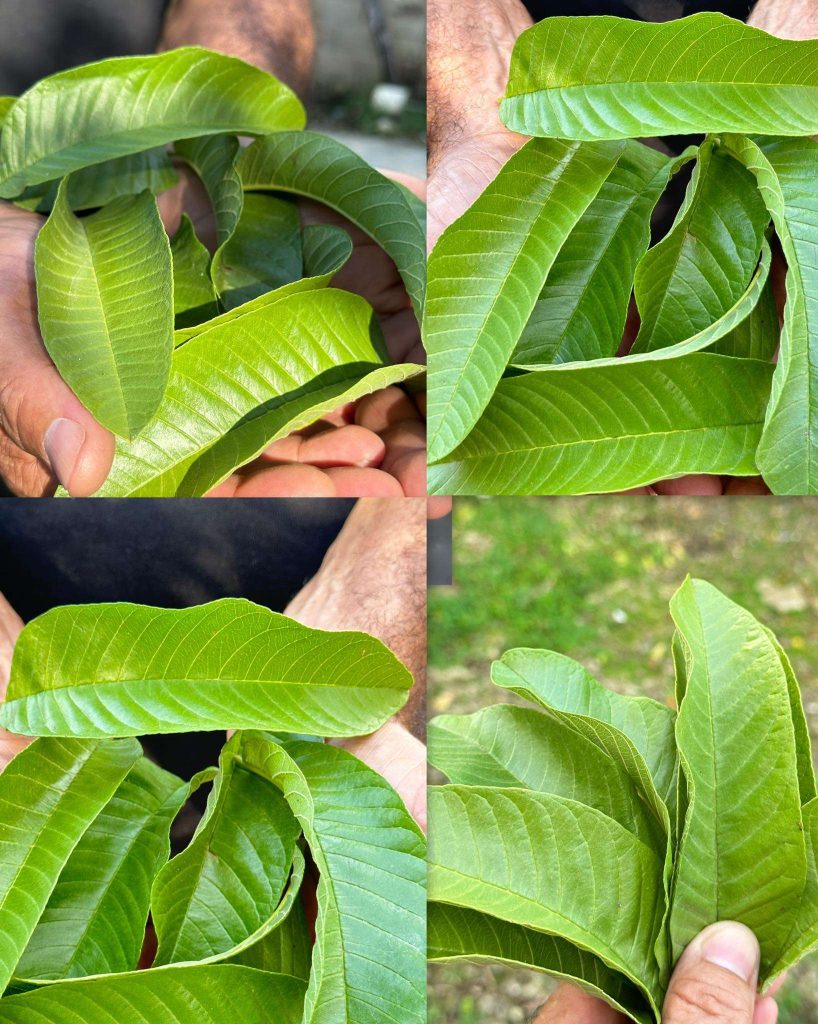
Guava leaves (Psidium guajava) are rich in antioxidants, flavonoids, tannins, and essential oils that give them their therapeutic power. Key compounds include quercetin, avicularin, guaijaverin, and various polyphenols. These phytochemicals work synergistically to combat oxidative stress, reduce inflammation, and support cellular health. Unlike the fruit, which is high in natural sugars, the leaves are low in calories and can be consumed as a tea, extract, or powder without affecting blood glucose levels. This makes them an excellent adjunct for metabolic and inflammatory conditions.
🩺 Digestive Health: A Gentle Yet Effective Remedy
One of the most well‑documented uses of guava leaves is for treating diarrhoea and gastrointestinal distress. The leaves contain compounds that inhibit the growth of harmful bacteria like E. coli and Staphylococcus aureus while promoting the contraction of intestinal muscles to reduce fluid loss. A simple tea made from fresh or dried leaves can help calm an upset stomach, relieve bloating, and even reduce symptoms of food poisoning. Moreover, the anti‑inflammatory properties soothe the gut lining, making it beneficial for individuals with irritable bowel syndrome (IBS) or mild gastritis.
- Practical tip: Steep 5–10 fresh guava leaves (or 1 tablespoon of dried leaves) in hot water for 10 minutes. Drink up to two cups per day during acute episodes. Always consult a healthcare professional before using it for chronic conditions.
- Caution: Avoid excessive consumption, as high doses may cause constipation due to the astringent effect.
🩸 Blood Sugar Regulation: A Natural Ally for Diabetics
Emerging research suggests that guava leaf extract can help lower blood glucose levels by inhibiting the enzymes alpha‑amylase and alpha‑glucosidase, which break down carbohydrates into simple sugars. This mechanism delays glucose absorption after meals, preventing sharp spikes in blood sugar. A 2010 study published in Nutrition and Metabolism found that participants who consumed guava leaf tea before meals experienced significantly lower post‑prandial blood sugar levels compared to a control group. For people with type 2 diabetes or prediabetes, incorporating guava leaves into their diet may complement conventional treatments and improve glycemic control.
- How to use: Drink a cup of unsweetened guava leaf tea before your main meal, or take a standardized extract (300–500 mg) after consulting your doctor.
- Note: Guava leaves should never replace prescribed medications, but they can be a safe, natural addition under medical supervision.
❤️ Heart Health and Cholesterol Management
Oxidative stress and chronic inflammation are major drivers of cardiovascular disease. The antioxidants in guava leaves, particularly quercetin and vitamin C, help protect blood vessels from damage and reduce LDL (bad) cholesterol. Animal studies have shown that guava leaf extract can lower total cholesterol and triglyceride levels while increasing HDL (good) cholesterol. Additionally, the leaves have mild hypotensive properties, meaning they may help relax blood vessels and reduce blood pressure. While human studies are still limited, the existing evidence points to guava leaves as a heart‑friendly herb worth adding to a balanced lifestyle.
- Incorporate it: Replace your morning coffee with guava leaf tea a few times a week, or add powdered guava leaves to smoothies and soups.
- Lifestyle synergy: Combine with regular exercise and a diet rich in fruits, vegetables, and whole grains for optimal cardiovascular benefits.
🦠 Antimicrobial and Anti‑Inflammatory Properties
Guava leaves have been used traditionally to treat wounds, infections, and oral health issues. The tannins and essential oils exhibit strong antibacterial and antifungal activity against pathogens such as Candida albicans and Streptococcus mutans (the bacteria responsible for cavities). A warm gargle with guava leaf tea can soothe a sore throat, reduce gum inflammation, and even combat bad breath. Topically, a paste made from crushed leaves can be applied to cuts, insect bites, or acne to speed healing and prevent infection. The anti‑inflammatory action also helps reduce swelling and pain associated with arthritis or muscle soreness when used as a compress.
- Oral rinse recipe: Boil a handful of fresh leaves in water for 5 minutes, let it cool, and use as a mouthwash twice daily.
- Skin application: Mash fresh leaves with a little water to form a paste, apply to affected areas, and rinse after 15‑20 minutes.
💆 Skin and Hair Care: Nature’s Beauty Secret
Thanks to its astringent and antioxidant properties, guava leaves can enhance skin elasticity, reduce acne, and delay signs of aging. The leaves help tighten pores, control excess oil, and fight free radicals that cause wrinkles. For hair, a rinse made from boiled guava leaves can strengthen hair follicles, reduce dandruff, and promote growth. The high vitamin B and C content nourishes the scalp and improves blood circulation. Many natural beauty enthusiasts now include guava leaf water in their daily hair and skincare routines, often with impressive results.
- Face toner: Brew a strong tea, cool it, and apply with a cotton ball after cleansing. Store in the refrigerator for up to three days.
- Hair rinse: Simmer 10–15 leaves in 2 cups of water for 10 minutes, strain, and use after shampooing. Leave on for 5 minutes before rinsing with cool water.
🌱 How to Select, Prepare, and Store Guava Leaves
To get the most out of guava leaves, follow these practical guidelines:
- Fresh leaves: Choose vibrant green leaves without brown spots. Wash thoroughly before use. They can be stored in a sealed bag in the refrigerator for up to a week.
- Dried leaves: Dry fresh leaves in a shaded, well‑ventilated area or in a dehydrator at low temperature. Store in an airtight container away from direct sunlight for up to six months.
- Tea preparation: Use 1–2 teaspoons of dried leaves (or 5–10 fresh leaves) per cup of boiling water. Steep for 10–15 minutes, strain, and enjoy. You can add a slice of lemon or a dash of honey for taste.
- Safety note: Pregnant or breastfeeding women, and individuals on blood‑thinning or diabetes medications, should consult a healthcare provider before using guava leaves internally.
🍃 Conclusion: Embrace the Leaf, Transform Your Wellbeing
Guava leaves are far more than a byproduct of a delicious fruit – they are a versatile, scientifically supported natural remedy that can improve digestion, stabilize blood sugar, protect your heart, and enhance your skin and hair. From a simple cup of tea to a topical paste, incorporating guava leaves into your routine is easy, affordable, and safe when done mindfully. While research continues to uncover new benefits, the traditional wisdom that has valued these leaves for generations is now backed by modern science. Next time you enjoy a guava, don’t discard the leaves – dry them, brew them, and give your body a gentle, potent boost. Start small, listen to your body, and let nature’s pharmacy support your journey to better health. 🌿
Deja una respuesta