BENEFITS OF GUAVA LEAVES
 Espanol
🌿 Welcome to the world of natural wellness, where humble guava leaves emerge as a powerful ally for your health. While many people focus on the sweet, tropical fruit, the leaves of the guava tree (Psidium guajava) have been used in traditional medicine for centuries across Asia, Africa, and Latin America. Modern science is now catching up, validating what ancient healers knew all along: guava leaves are a treasure trove of antioxidants, antimicrobial compounds, and anti‑inflammatory agents. In this article, we will explore the remarkable benefits of guava leaves, from boosting digestion to supporting heart health, and provide practical tips on how to incorporate them into your daily routine. Whether you are a health enthusiast or simply curious about natural remedies, this guide will equip you with valuable, evidence‑based insights.
Espanol
🍃 What Makes Guava Leaves So Powerful?
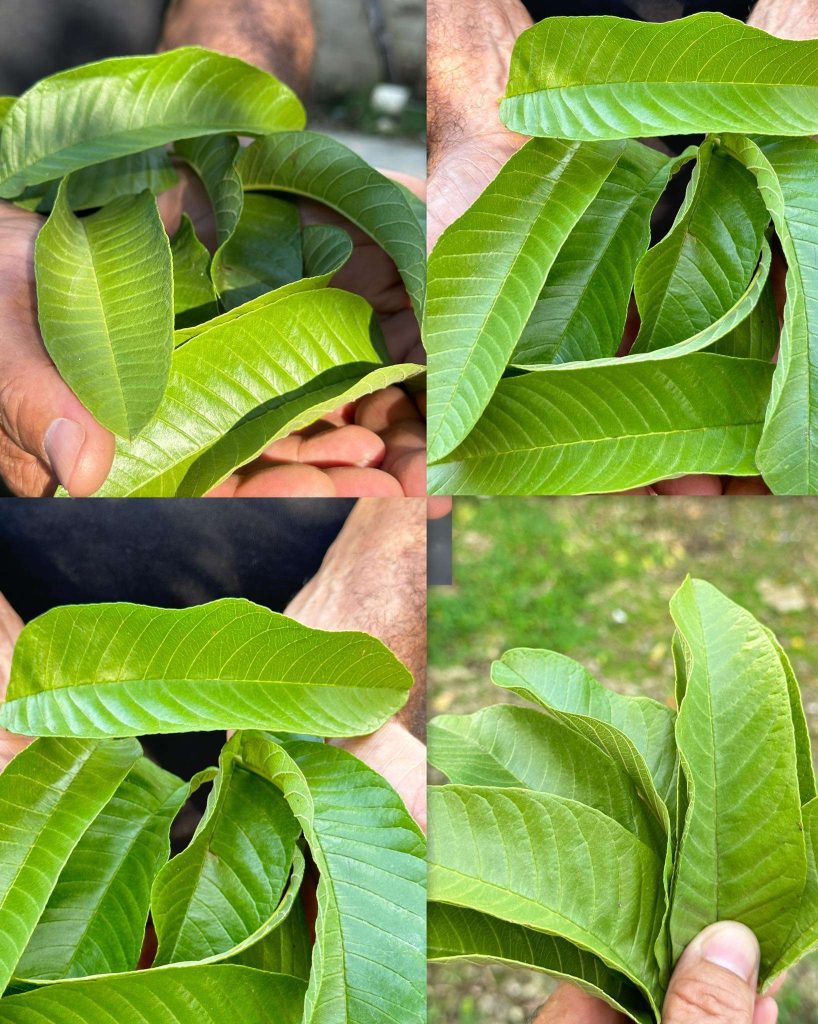
Guava leaves are packed with bioactive compounds like flavonoids, tannins, and quercetin. These natural chemicals give the leaves their potent antioxidant, antibacterial, and anti‑diarrheal properties. The leaves also contain high levels of vitamin C and essential oils that contribute to their therapeutic effects. Unlike many processed supplements, guava leaves offer a whole‑food approach – you can use them fresh, dried, or as an extract. Their versatility makes them an excellent addition to any natural health toolkit.
💪 Top Health Benefits Backed by Research
1. 🧬 Digestive Health Champion
One of the most well‑known uses of guava leaves is for treating diarrhea and stomach upset. The tannins in the leaves have an astringent effect that can help reduce inflammation in the gut and slow down bowel movements. A study published in the Journal of Ethnopharmacology found that guava leaf extract was effective against common diarrhea‑causing bacteria like E. coli and Salmonella. To use, simply boil a handful of fresh leaves in water, strain, and drink the tea once or twice a day.
Additionally, guava leaves can help reduce symptoms of gastritis, bloating, and indigestion. The natural compounds soothe the stomach lining and stimulate the production of digestive enzymes. For best results, sip the tea slowly after meals.
2. 🩺 Cardiovascular Support
Heart disease remains a leading cause of death worldwide, and guava leaves may offer a natural line of defense. Research indicates that guava leaf extract can lower blood pressure and reduce “bad” LDL cholesterol while increasing “good” HDL cholesterol. A 2016 study on rats showed that guava leaf tea significantly reduced total cholesterol and triglyceride levels. These effects are attributed to the high concentration of quercetin and anthocyanins, which help relax blood vessels and prevent oxidative damage to arteries.
💡 Pro tip: Drinking a cup of guava leaf tea daily can be a simple, supportive habit for maintaining healthy heart function. However, always consult your doctor before making changes if you are on medication.
3. 🦠 Antimicrobial & Antiviral Properties
Guava leaves have demonstrated strong activity against a range of harmful microorganisms. A 2020 review in Phytomedicine highlighted that guava leaf extracts effectively inhibit Staphylococcus aureus, Candida albicans, and even the influenza virus. This makes the leaves a useful natural remedy for oral health issues – chewing fresh leaves or using a mouthwash made from the decoction can help reduce plaque, gingivitis, and bad breath. The antibacterial action also supports wound healing when applied topically as a paste.
4. 🌸 Skin Care & Anti‑Aging
Thanks to their antioxidant load, guava leaves help fight free radicals that cause premature aging. Applying a crushed leaf paste directly to acne or pimples can reduce inflammation and bacterial growth. A 2018 study found that guava leaf extract improved skin elasticity and reduced wrinkles in participants after four weeks of topical use. The leaves are also a natural source of lycopene, beta‑carotene, and vitamin C, which promote collagen production and protect against sun damage.
5. 🩸 Blood Sugar Regulation
For individuals with type 2 diabetes or pre‑diabetes, guava leaves may assist with glucose control. Compounds in the leaves inhibit alpha‑glucosidase and alpha‑amylase – enzymes that break down carbohydrates – leading to slower sugar absorption. A study in Nutrition & Metabolism showed that participants who consumed guava leaf tea experienced a significant drop in post‑meal blood sugar levels. Incorporating the tea into a balanced diet could be a complementary strategy for diabetes management.
🧑🌾 How to Use Guava Leaves Safely
- Guava Leaf Tea: Steep 5–10 fresh or dried leaves in boiling water for 5–10 minutes. Strain and drink up to 2 cups per day. You can sweeten with honey or lemon for taste.
- Topical Paste: Crush fresh leaves with a little water to form a paste. Apply to acne, cuts, or insect bites for 15–20 minutes, then rinse.
- Mouthwash: Boil a handful of leaves in water, cool, and use as a gargle after brushing. Avoid swallowing.
- Supplements: Capsules and tinctures are available in health stores. Always follow the dosage instructions on the label.
⛑️ Important note: Guava leaves are generally safe for most people, but pregnant or nursing women should consult a healthcare professional before using them medicinally. Also, because the leaves can lower blood sugar and blood pressure, monitor your levels if you have pre‑existing conditions.
🔬 The Science Behind the Leaves
Modern research continues to explore the potential of guava leaves. For instance, a 2021 study in Antioxidants identified over 40 phenolic compounds in guava leaf extracts, many of which showed strong anti‑inflammatory effects. Another study from Pharmaceutical Biology demonstrated that guava leaves can help prevent the growth of cancer cells in test‑tube experiments – though more human studies are needed. What is clear is that the leaves are a rich source of polyphenols and carotenoids, which protect the body at a cellular level.
🌱 Environmental and Economic Benefits
Growing guava trees is not only beneficial for personal health but also for the planet. Guava trees are hardy, drought‑tolerant, and require minimal pesticides, making them a sustainable crop. By using the leaves (which are often discarded after pruning), we reduce waste and turn a natural byproduct into a valuable resource. Supporting local guava farmers through the purchase of leaf products also boosts small‑scale agriculture in tropical regions.
💡 Final Thoughts: A Leaf Worth Exploring
Guava leaves are far more than an afterthought – they are a versatile, powerful, and accessible natural remedy. From soothing an upset stomach to protecting your heart and skin, the benefits are backed by both tradition and science. By incorporating guava leaf tea or topical treatments into your routine, you can take a proactive step toward better health without relying solely on synthetic options.
📝 Actionable steps to start today: Find fresh guava leaves at a local Asian or Latin market (or grow your own tree!). Brew a simple tea and notice how your digestion feels after a week. If you’re dealing with acne, try the leaf paste once a day. Share your results with others – this humble leaf deserves the spotlight.
Remember, nature’s pharmacy is right in your backyard. Embrace the power of guava leaves and enjoy a healthier, more vibrant life. 🌿✨
Deja una respuesta