BENEFITS OF GUAVA LEAVES
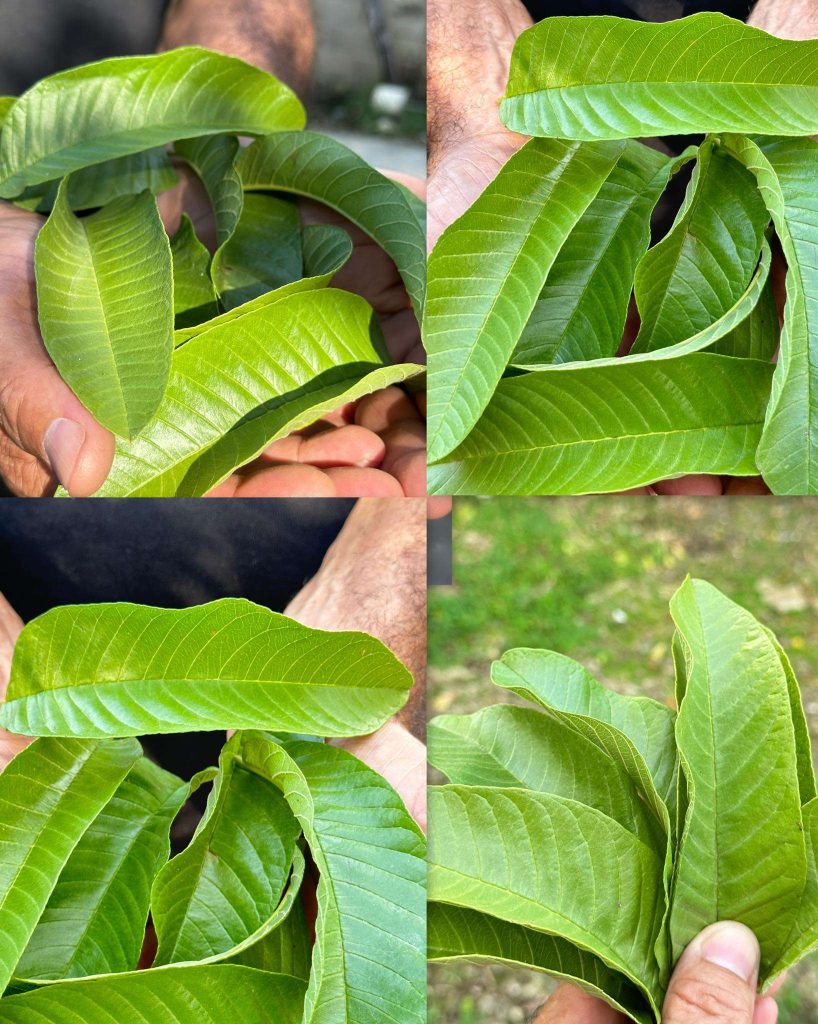
 Espanol
Benefits of Guava Leaves: A Comprehensive Guide to Nature's Hidden Gem 🍃
Espanol
When we think of guava, our minds often jump to the sweet, tropical fruit. Yet the leaves of this remarkable tree hold a treasure trove of health benefits that have been used in traditional medicine for centuries. Unlike the fruit, guava leaves are often overlooked, but their potent compounds offer everything from digestive support to blood sugar regulation. In this article, we will explore the most notable benefits of guava leaves, how to use them safely, and why they deserve a place in your wellness routine. Whether you brew them as a tea, apply them topically, or use extracts, these leaves are a versatile and natural remedy. Let's dive in! 🚀
🌿 The Nutritional and Chemical Profile of Guava Leaves
Guava leaves are not just filler; they are packed with bioactive compounds that give them their therapeutic power. They contain high levels of antioxidants such as vitamin C, flavonoids (like quercetin), tannins, and essential oils. These substances work together to fight inflammation, neutralize free radicals, and support overall cellular health. Additionally, guava leaves are a good source of polyphenols and fiber, which contribute to their antimicrobial and digestive benefits. Understanding this chemical makeup helps explain why these leaves can be so effective for various health issues. 🌱
🩺 Digestive Health and Gut Support
One of the most celebrated uses of guava leaves is for digestive wellness. The leaves contain compounds that can help reduce diarrhea, relieve stomach cramps, and combat harmful bacteria in the gut. Studies have shown that a decoction of guava leaves can inhibit the growth of pathogens like E. coli and Salmonella. For those suffering from irritable bowel syndrome (IBS) or dysentery, drinking guava leaf tea may offer natural relief. The high tannin content helps bind and firm stools, making it a gentle alternative to over‑the‑counter medications.
- Tip: Brew 5‑7 fresh or dried guava leaves in a cup of hot water for 10 minutes. Drink it twice a day during acute episodes. 🫖
- Caution: Avoid excessive consumption as it may cause constipation if taken too long. Always consult a healthcare professional for chronic conditions.
🍃 Blood Sugar Regulation and Diabetes Management
Guava leaves have shown promising results in helping to control blood sugar levels. Research indicates that compounds in the leaves can inhibit the absorption of sugar from the intestines and improve insulin sensitivity. A 2013 study published in Nutrition and Metabolism found that drinking guava leaf tea after meals helped lower post‑meal blood sugar spikes. For people with type 2 diabetes or pre‑diabetes, incorporating guava leaf tea into a balanced lifestyle may be a valuable adjunct therapy.
Important note: Guava leaves are not a substitute for medication. Always monitor your glucose levels and discuss any new remedies with your doctor. 🩸
💪 Cardiovascular Health and Cholesterol Control
Heart disease remains a leading cause of death worldwide, and guava leaves may offer protective benefits. The leaves are rich in antioxidants that help reduce oxidative stress on the arteries. Some studies in animal models have shown that guava leaf extract can lower “bad” LDL cholesterol and triglycerides while boosting “good” HDL cholesterol. Additionally, the leaves possess mild hypotensive properties, meaning they may help reduce blood pressure. Including guava leaf tea in your daily routine could be a heart‑friendly habit. ❤️
- Practical tip: Combine guava leaf tea with a diet rich in fiber, healthy fats, and regular exercise for optimal cardiovascular results.
🦷 Oral and Dental Health Benefits
Did you know that guava leaves can be a natural remedy for oral hygiene? Chewing on fresh guava leaves or using a mouthwash made from the leaves can help relieve toothaches, fight gum inflammation, and prevent bad breath. The antibacterial and anti‑inflammatory properties of the leaves target the bacteria responsible for plaque and gingivitis. A simple homemade mouthwash can be prepared by boiling a handful of leaves in water, cooling, and gargling. However, avoid swallowing the liquid. 😁
Key point: For persistent dental issues, always visit a dentist. Guava leaf treatments are complementary, not a replacement for professional care.
🌱 Skin Care and Wound Healing
Topical application of guava leaf preparations can work wonders for the skin. The leaves' antimicrobial and anti‑inflammatory properties make them effective against acne, minor cuts, and insect bites. A paste made from crushed guava leaves can be applied directly to pimples to reduce redness and swelling. Some cultures also use the leaves as a natural remedy for eczema and psoriasis due to their soothing effect. The high vitamin C content promotes collagen production, which aids in faster wound healing. 🧴
- How to use: Boil a handful of leaves in water, let it cool, and use the liquid as a facial toner or compress.
- Caution: Always patch‑test a small area of skin first to check for any allergic reaction.
🧠 Immune System Boost and Infection Prevention
Guava leaves are a natural immune booster thanks to their antioxidant and antimicrobial compounds. They can help the body fight off common infections like colds, flu, and coughs. A warm cup of guava leaf tea can soothe a sore throat and reduce inflammation in the respiratory tract. In fact, some traditional systems use the leaves to treat bronchitis and whooping cough. The leaves also contain virucidal properties, meaning they can inhibit the replication of certain viruses. 🛡️
Pro tip: During flu season, drink guava leaf tea with a squeeze of lemon and a dash of honey for an extra immunity kick. 🍋
📝 How to Prepare and Use Guava Leaves Safely
To get the most out of guava leaves, follow these simple guidelines:
- Harvesting: Choose fresh, green leaves free from pesticides. If you buy dried leaves, ensure they are from a reputable source.
- Tea preparation: Steep 5‑8 leaves in boiling water for 10‑15 minutes. Strain and drink up to 2‑3 cups per day.
- Topical use: Crush fresh leaves into a paste and apply directly, or use the cooled tea as a rinse.
- Potential side effects: In large amounts, guava leaves may cause stomach discomfort. Avoid use if you are pregnant or breastfeeding without medical advice.
- Interactions: Guava leaves can affect blood sugar and blood pressure, so inform your doctor if you are on medication for diabetes or hypertension.
🔬 Scientific Evidence and Traditional Wisdom
While traditional medicine has long valued guava leaves, modern science is catching up. Numerous studies have validated many of the claimed benefits, from antidiabetic to antimicrobial effects. However, more human clinical trials are needed to fully understand dosage and long‑term safety. The leaves are generally recognized as safe when used in culinary or moderate tea amounts. As with any herbal remedy, balance and moderation are key. The synergy of compounds in the whole leaf often outperforms isolated extracts. 🌿
🎯 Conclusion: Embrace the Power of Guava Leaves
Guava leaves are a forgotten marvel of nature, packed with benefits that range from digestive health to blood sugar control, oral care, and skin healing. By incorporating guava leaf tea or topical preparations into your daily routine, you can tap into centuries of traditional wisdom backed by emerging research. Remember, while the leaves are powerful, they are not a cure‑all. Always pair them with a healthy diet, exercise, and professional medical advice when needed. Start small, listen to your body, and enjoy the natural, gentle support that guava leaves provide. Your wellness journey just got a little greener! 🍃✨
Disclaimer: This article is for informational purposes only and does not constitute medical advice. Always consult a qualified healthcare professional before starting any new health regimen.
Deja una respuesta