BENEFITS OF GUAVA LEAVES
 Espanol
Introduction
Espanol
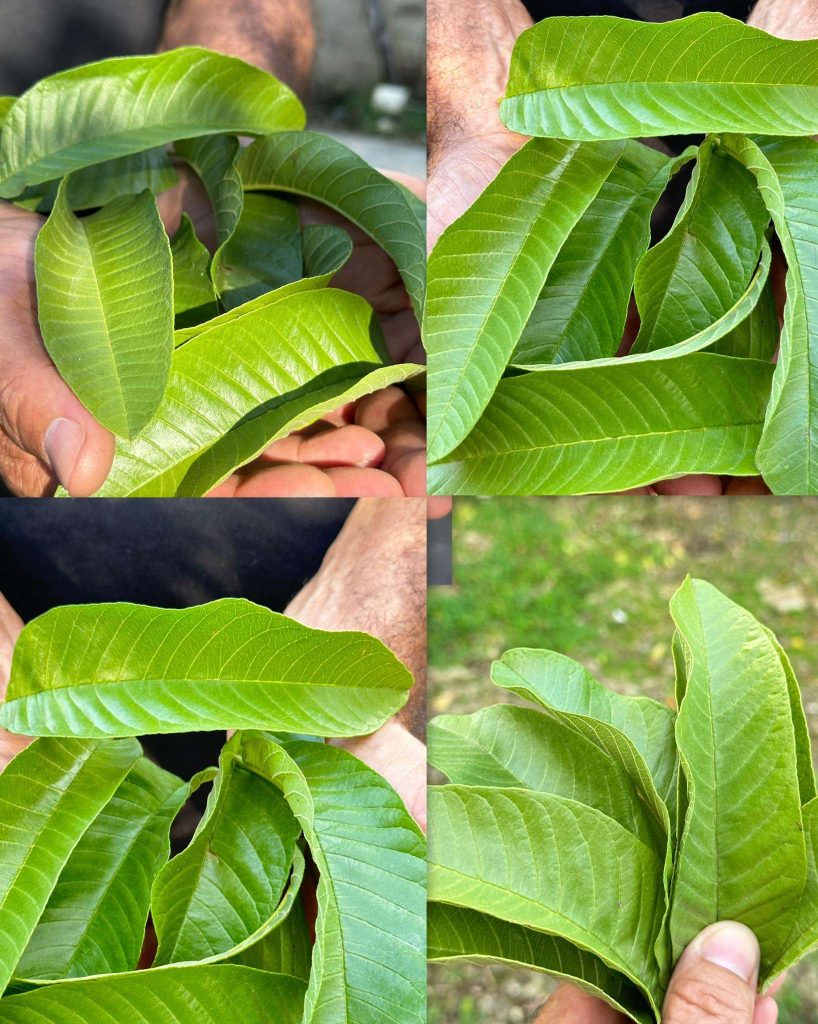
Guava leaves are often overlooked in favor of the fruit, but they hold a wealth of health benefits that have been recognized for centuries in traditional medicine. From supporting digestion to regulating blood sugar, these humble leaves are a powerhouse of natural compounds. In this article, we will explore the key benefits of guava leaves, how to incorporate them into your daily routine, and why they deserve a place in your wellness arsenal. 🌿
🌱 Nutritional Profile of Guava Leaves
Guava leaves are rich in antioxidants, flavonoids, tannins, and essential oils. They contain high levels of vitamin C, carotenoids, and polyphenols that help combat oxidative stress. The leaves also provide potassium, magnesium, and calcium, which support overall bodily functions. Unlike many superfoods, guava leaves are low in calories yet dense in bioactive compounds, making them an excellent addition to a balanced diet.
One of the most notable components is quercetin, a powerful flavonoid that reduces inflammation and may lower the risk of chronic diseases. The leaves also contain vitamin B3 (niacin), which aids in energy metabolism, and fiber, which promotes gut health. 🌟
🍽️ Digestive Health Benefits
Guava leaves have long been used to treat diarrhea, dysentery, and stomach upset. The antimicrobial properties of the leaf extract help eliminate harmful bacteria like E. coli and Salmonella, while the tannins soothe the intestinal lining. Drinking a tea made from guava leaves can relieve abdominal pain and gas.
For those with irritable bowel syndrome (IBS), the leaves act as a gentle antispasmodic, reducing cramping and discomfort. Pro tip: Steep 3–4 dried guava leaves in hot water for 10 minutes and drink twice daily for best results. This natural remedy is often more effective than over-the-counter medications without the side effects. 🍵
🩸 Blood Sugar Regulation
Several studies suggest that guava leaf extract can lower blood glucose levels and improve insulin sensitivity. The compounds in the leaves inhibit the absorption of sugar in the intestines, helping to manage type 2 diabetes. A 2010 study published in the journal Nutrition and Metabolism found that participants who consumed guava leaf tea experienced a significant drop in post-meal blood sugar.
To incorporate this benefit, replace your afternoon sugary drink with a cup of guava leaf tea. Important note: If you are on diabetes medication, consult your healthcare provider before adding guava leaves to your routine, as they may potentiate the effect of your drugs. 💊
🛡️ Anti-inflammatory and Antioxidant Properties
Chronic inflammation is at the root of many diseases, from arthritis to heart conditions. Guava leaves are packed with anti-inflammatory compounds that help reduce swelling and pain. The vitamin C and lycopene in the leaves work together to neutralize free radicals, protecting cells from damage.
Topical application of guava leaf paste can also soothe skin infections, acne, and eczema. The leaves’ antibacterial properties make them a natural alternative to chemical creams. For a simple remedy, crush fresh guava leaves and apply the paste to affected areas. Let it sit for 15 minutes before rinsing. ✨
💇 Hair and Skin Care
Guava leaves are a hidden gem for beauty routines. The astringent nature of the leaves helps tighten the scalp, reducing hair fall and promoting growth. Boiling a handful of leaves in water and using the cooled liquid as a final rinse after shampooing can strengthen hair roots and add shine.
For skin, the leaves work as a natural toner. They help shrink pores, control oil, and fade dark spots. The high antioxidant content also delays signs of aging like wrinkles and fine lines. DIY face mask: Grind dried guava leaves into a powder, mix with yogurt, and apply for 20 minutes. Your skin will feel refreshed and revitalized. 🌸
🧪 How to Use Guava Leaves
There are several ways to incorporate guava leaves into your daily life:
Guava leaf tea: Place 5–6 fresh or dried leaves in a cup of boiling water. Steep for 10 minutes, strain, and drink. You can add honey or lemon for flavor. 🍯
Leaf extract: Simmer a cup of leaves in 2 cups of water until reduced by half. Store in the refrigerator and take a tablespoon daily.
Powdered leaves: Dry the leaves in the sun, then grind into a fine powder. Add to smoothies, soups, or sprinkle on salads.
Topical paste: Crush fresh leaves with a little water and apply directly to wounds, acne, or insect bites.
Important caution: Always wash leaves thoroughly before use. If you are pregnant or breastfeeding, consult a professional before consuming guava leaf products. ⚠️
🔚 Conclusion
Guava leaves are far more than a byproduct of the fruit—they are a versatile, science-backed remedy for digestion, blood sugar, inflammation, and beauty. By adding them to your diet or skincare routine, you tap into a natural source of healing that has stood the test of time.
Whether you brew a warm tea or whip up a soothing paste, these leaves offer a simple, accessible way to enhance your health. Start small—try a cup of guava leaf tea tomorrow morning—and experience the difference. Your body will thank you. 🌿💚
Remember, while natural remedies are powerful, they are not a substitute for professional medical advice. Use them as a complement to a healthy lifestyle.
Deja una respuesta