BENEFITS OF GUAVA LEAVES
 Espanol
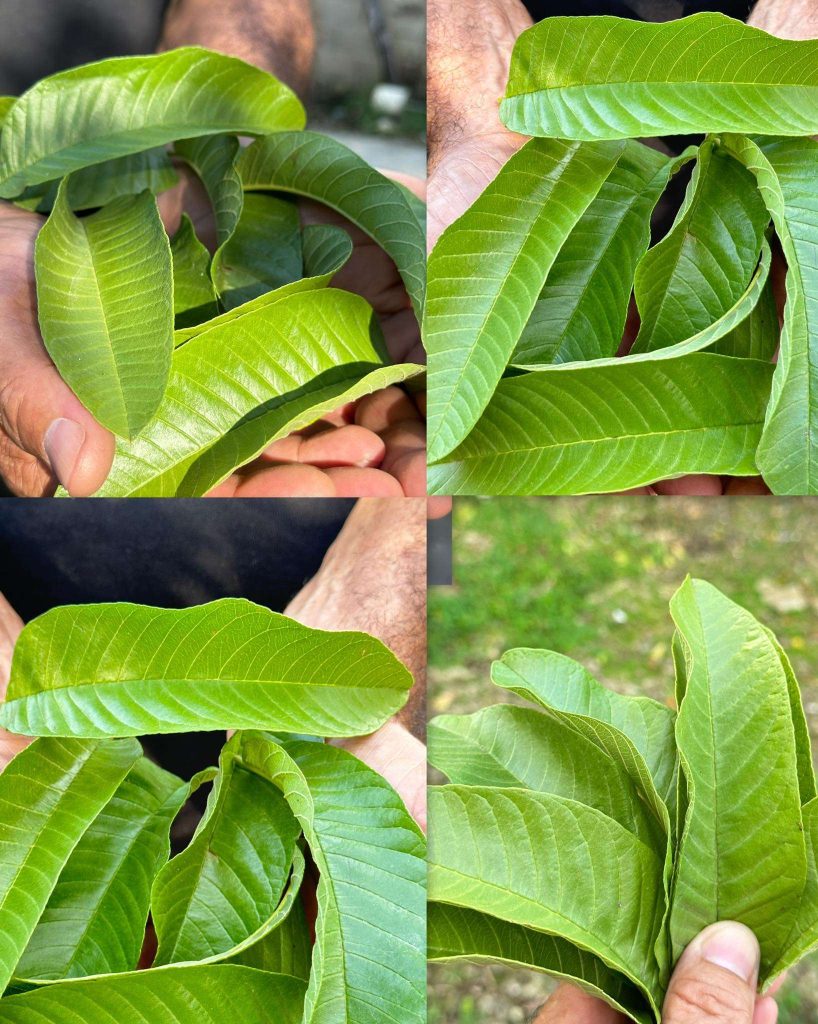
Guava leaves are often overlooked, yet they hold an impressive concentration of bioactive compounds that can significantly enhance your health and well-being. While the fruit itself is deliciously sweet, the leaves are a powerhouse of antioxidants, anti-inflammatory agents, and antimicrobial properties. In this article, we will explore the scientifically backed benefits of guava leaves, providing you with practical advice on how to incorporate them into your daily routine. Whether you are looking to improve digestion, boost immunity, or manage chronic conditions, guava leaves offer a natural and accessible solution. Let's dive into the remarkable advantages of this humble leaf. 🌿
Espanol
🧪 Rich in Antioxidants and Anti-Inflammatory Compounds
Guava leaves are packed with flavonoids like quercetin, kaempferol, and myricetin, as well as vitamin C and tannins. These compounds work synergistically to neutralize free radicals, reduce oxidative stress, and lower inflammation throughout the body. Chronic inflammation is linked to many diseases, including arthritis, heart disease, and diabetes. By regularly consuming guava leaf tea or extract, you can help your body combat these harmful processes. Pro tip: Steep fresh or dried guava leaves in hot water for 5–10 minutes to release the maximum amount of antioxidants. ☕
🩺 Supports Digestive Health and Relieves Diarrhea
One of the most well-documented traditional uses of guava leaves is for treating diarrhea and other digestive issues. The leaves contain compounds that inhibit the growth of harmful bacteria like Staphylococcus aureus and E. coli, while also reducing intestinal spasms and fluid secretion. A 2013 study published in the Journal of Ethnopharmacology confirmed that guava leaf extract can significantly shorten the duration of diarrhea. For best results, boil 5–6 guava leaves in 2 cups of water, let it cool, and drink the strained liquid twice daily. This natural remedy can also help with bloating, indigestion, and even stomach ulcers. 🌱
🩸 Helps Manage Blood Sugar Levels
Guava leaves have shown promising effects in regulating blood glucose levels, making them a valuable ally for people with type 2 diabetes or prediabetes. The leaves contain compounds that inhibit the absorption of sucrose and maltose in the small intestine, thereby reducing post-meal blood sugar spikes. A 2016 study in Nutrition & Metabolism found that participants who consumed guava leaf tea after meals had significantly lower blood sugar levels compared to those who drank plain water. To incorporate this into your routine, drink a cup of guava leaf tea 30 minutes after your main meals. Remember to monitor your blood sugar and consult your doctor before making any changes to your diabetes management plan. 🩺
🦷 Promotes Oral Health and Reduces Plaque
The antibacterial and anti-inflammatory properties of guava leaves extend to your mouth. Rinsing with a guava leaf decoction can help reduce plaque buildup, soothe gum inflammation, and prevent bad breath. The leaves are particularly effective against Streptococcus mutans, a primary bacteria responsible for tooth decay. To make a mouthwash, crush a handful of fresh guava leaves, boil them in 2 cups of water for 10 minutes, strain, and let it cool. Use it as a mouth rinse twice a day after brushing. This natural alternative is gentle yet powerful, and many users report noticeable improvements in gum health within a week. 🦷✨
💇♂️ Benefits for Hair and Scalp Health
Guava leaves can also work wonders for your hair and scalp. They are rich in vitamin B and vitamin C which help strengthen hair follicles, reduce dandruff, and promote hair growth. The antimicrobial activity helps combat scalp infections that can lead to hair thinning. A simple guava leaf hair rinse can be prepared by boiling a handful of leaves in water until the liquid becomes dark green. After shampooing, let the cool rinse sit on your hair for 10–15 minutes, then wash off with plain water. Regular use can add shine, reduce breakage, and leave your scalp feeling refreshed. 🧴💧
🫀 Supports Heart Health by Lowering Cholesterol and Blood Pressure
Several studies have indicated that guava leaf extract can help lower total cholesterol, LDL (bad) cholesterol, and triglycerides, while raising HDL (good) cholesterol. In a 2012 study with human participants, drinking guava leaf tea for 12 weeks led to a significant reduction in blood pressure and lipid levels. The leaves contain potassium and antioxidants that relax blood vessels, improving circulation. To support your cardiovascular system, consider drinking 2–3 cups of guava leaf tea per day as part of a balanced diet and regular exercise routine. ❤️
💊 May Aid in Weight Management
Guava leaves may indirectly support weight loss by improving metabolism and reducing the amount of sugar and fat absorbed from food. The leaves interfere with the digestion of complex carbohydrates, leading to fewer calories being stored as fat. Additionally, the tea can help suppress appetite and reduce cravings for sugary snacks. While guava leaves are not a magic bullet for weight loss, when combined with a healthy diet and physical activity, they can be a helpful addition. Try sipping a cup of warm guava leaf tea 20 minutes before meals to feel fuller and reduce your overall calorie intake. ⚖️
🧬 Anticancer Potential and Immune Boosting
Preliminary research suggests that guava leaf extracts may possess anticancer properties. The high concentration of quercetin and lycopene has been shown to inhibit the growth of cancer cells in lab studies, particularly for breast, prostate, and colon cancers. While human studies are still limited, antioxidant-rich foods are known to reduce cancer risk. Moreover, the immune-boosting vitamin C and zinc in guava leaves help your body fight off infections. Including guava leaf tea regularly can be a proactive step in building a stronger immune system. 🤧➡️💪
🌿 How to Prepare and Use Guava Leaves Safely
To get the most out of guava leaves, follow these practical guidelines:
- Select fresh or dried leaves: Fresh leaves are more potent, but dried leaves (available in health stores) work well too. Wash fresh leaves thoroughly before use.
- Make a tea: Boil 5–7 leaves in 3 cups of water for 10 minutes, remove from heat, and let steep for another 5 minutes. Strain and drink warm. You can add a little honey or lemon for taste. 🍯
- Store properly: Dried guava leaves should be stored in an airtight container away from sunlight. Fresh leaves can be refrigerated in a sealed bag for up to a week.
- Start slowly: If you are new to guava leaf tea, begin with one cup per day to see how your body responds. Most people tolerate it well, but excessive consumption may cause mild stomach upset.
- Consult a healthcare professional if you are pregnant, nursing, taking medications (especially for diabetes or blood pressure), or have any chronic conditions.
🔍 Conclusion: Embrace the Power of Guava Leaves
Guava leaves are far more than a byproduct of the fruit—they are a versatile, affordable, and scientifically supported natural remedy. From improving digestion and oral health to managing blood sugar and supporting heart function, the benefits are extensive. By integrating guava leaf tea into your daily routine, you can take a proactive step toward better health without relying on expensive supplements. Remember that consistency is key: a single cup here and there will not yield the same results as regular use over several weeks. Start today by picking up some fresh guava leaves from your local market or ordering dried ones online. Your body will thank you for this simple, natural addition. 🌱💚
Deja una respuesta