BENEFITS OF GUAVA LEAVES
 Espanol
Benefits of Guava Leaves
Espanol
When you think of guava, your mind probably jumps to the sweet, tropical fruit. But did you know that the leaves of the guava tree are packed with powerful compounds that have been used for centuries in traditional medicine? 🌿 This article explores the science-backed benefits of guava leaves, offering practical tips on how to incorporate them into your daily routine. Whether you're looking to boost your immune system, improve digestion, or even enhance your skin, guava leaves are a natural treasure worth discovering.
What Are Guava Leaves? 🌱
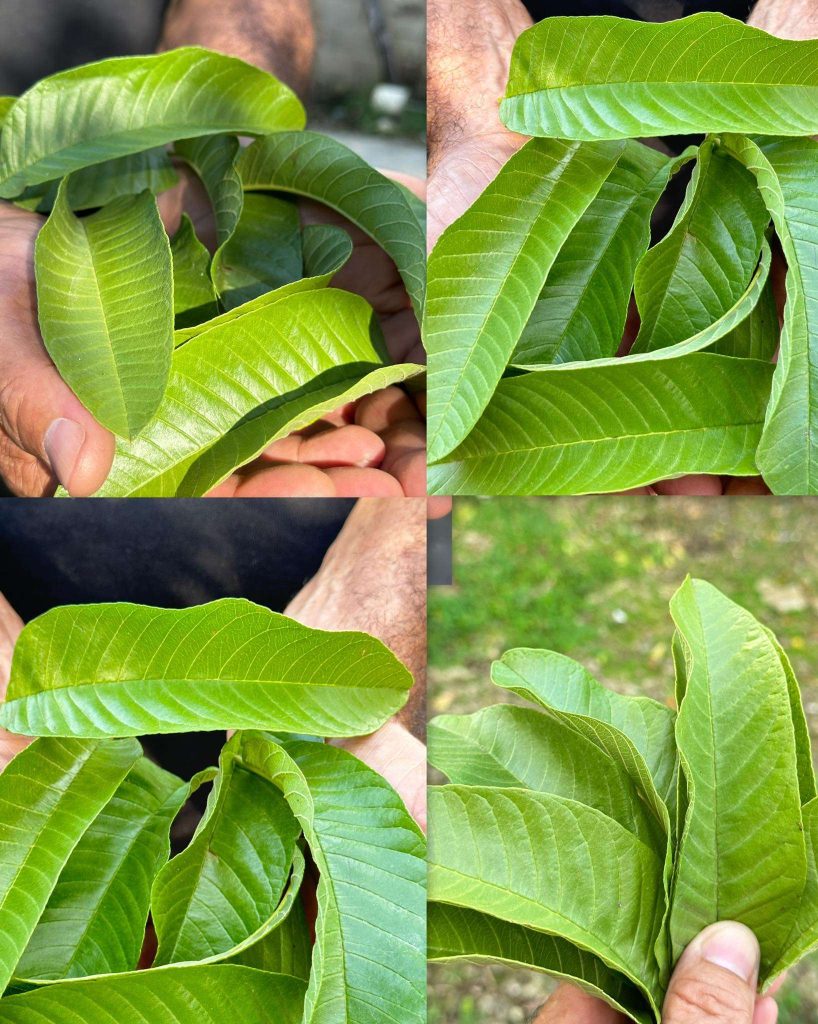
Guava leaves come from the Psidium guajava tree, a plant native to Central America but now grown in tropical and subtropical regions worldwide. These leaves are rich in essential oils, flavonoids, tannins, and antioxidants like vitamin C and quercetin. Unlike the fruit, which is eaten fresh, guava leaves are typically dried and brewed into tea or used as a topical treatment. Their medicinal properties have been documented in studies for their antimicrobial, anti-inflammatory, and hypoglycemic effects. Let's dive into the most compelling reasons to add guava leaves to your wellness toolkit.
Top Health Benefits of Guava Leaves 🥇
Below are the key benefits supported by scientific research. Always consult with a healthcare professional before using guava leaves for medicinal purposes, especially if you are pregnant, nursing, or taking prescription medications.
- Rich in Antioxidants 🛡️ – Guava leaves contain high levels of polyphenols and flavonoids that fight oxidative stress. Antioxidants help neutralize free radicals, reducing the risk of chronic diseases like cancer and heart disease. A 2018 study in the Journal of Food Science and Technology found that guava leaf extract showed significant free-radical scavenging activity.
- Supports Digestive Health 🍵 – For centuries, guava leaf tea has been a natural remedy for diarrhea, stomachaches, and bloating. The leaves contain compounds like quercetin and tannins that have astringent properties, helping to reduce intestinal inflammation and slow down bacterial growth. To soothe an upset stomach, steep 1–2 teaspoons of dried guava leaves in hot water for 10 minutes and drink twice daily.
- May Help Lower Blood Sugar 🩸 – Multiple studies suggest that guava leaf extract can inhibit the absorption of sucrose and maltose, leading to lower post-meal blood sugar spikes. A 2019 clinical trial published in Nutrition & Metabolism showed that participants who drank guava leaf tea for 12 weeks had significantly reduced fasting blood glucose levels. This makes it a promising complementary option for type 2 diabetes management.
- Promotes Heart Health ❤️ – The antioxidants in guava leaves also benefit cardiovascular function. They may help lower LDL ("bad") cholesterol and triglycerides while increasing HDL ("good") cholesterol. Additionally, the leaves' anti-inflammatory properties can reduce arterial inflammation, a key factor in hypertension and atherosclerosis.
- Anti‑Inflammatory and Pain Relief 💆 – Crushed guava leaves can be applied topically to reduce swelling from insect bites, wounds, or joint pain. Oral consumption of leaf tea may also alleviate internal inflammation linked to arthritis or inflammatory bowel disease. The active compound quercetin is a natural antihistamine that can ease allergic reactions too.
- Aids Weight Loss ⚖️ – Guava leaf tea is low in calories and can help regulate metabolism. By stabilizing blood sugar and curbing insulin spikes, it reduces cravings for sugary snacks. For best results, replace one sugary beverage per day with a cup of unsweetened guava leaf tea.
- Improves Skin and Hair Health ✨ – Thanks to its antibacterial and astringent qualities, guava leaf extract is a popular ingredient in natural skincare. It can help treat acne, reduce excess oil, and even accelerate wound healing. For hair, a rinse made from boiled guava leaves can strengthen follicles and reduce dandruff.
How to Use Guava Leaves 🛠️
You can purchase dried guava leaves from health food stores or online. Fresh leaves from a guava tree work as well. Here are three practical ways to incorporate them:
- Guava Leaf Tea ☕ – The most common method. Add 1 tablespoon of dried leaves to 1 cup of boiling water. Steep for 10–15 minutes, strain, and enjoy. You can add a slice of lemon or a teaspoon of honey for flavor.
- Topical Paste 🌿 – Crush a handful of fresh leaves into a paste (add a little water). Apply directly to skin irritations, pimples, or minor cuts. Leave for 15 minutes, then rinse.
- Hair Rinse 💇 – Boil 10–15 fresh leaves in 2 cups of water for 20 minutes. Let it cool, strain, and use as a final rinse after shampooing. This can help combat dandruff and add shine.
Precautions and Potential Side Effects ⚠️
While guava leaves are generally safe, some people may experience mild side effects. The astringent nature of the leaves can cause constipation if consumed in large amounts. Pregnant or breastfeeding women should avoid high doses due to a lack of safety data. Additionally, because guava leaves can lower blood sugar, diabetics taking medication should monitor their glucose levels closely to avoid hypoglycemia. Always start with a small amount (half a cup of tea) to see how your body reacts.
Final Thoughts: A Leaf Worth Exploring 🍃
Guava leaves are far more than a byproduct of the fruit. From supporting metabolic health to soothing skin, this humble leaf offers a wide range of benefits backed by both tradition and science. Incorporating guava leaf tea into your daily routine is a simple, low‑cost way to tap into nature's pharmacy. Remember that consistency is key—benefits build over time, not overnight. Share your experiences with friends, and always pair natural remedies with a balanced diet and regular exercise for optimal health.
We hope this guide has given you a deeper appreciation for guava leaves. Have you tried guava leaf tea? Let us know how it worked for you! ✨
Deja una respuesta