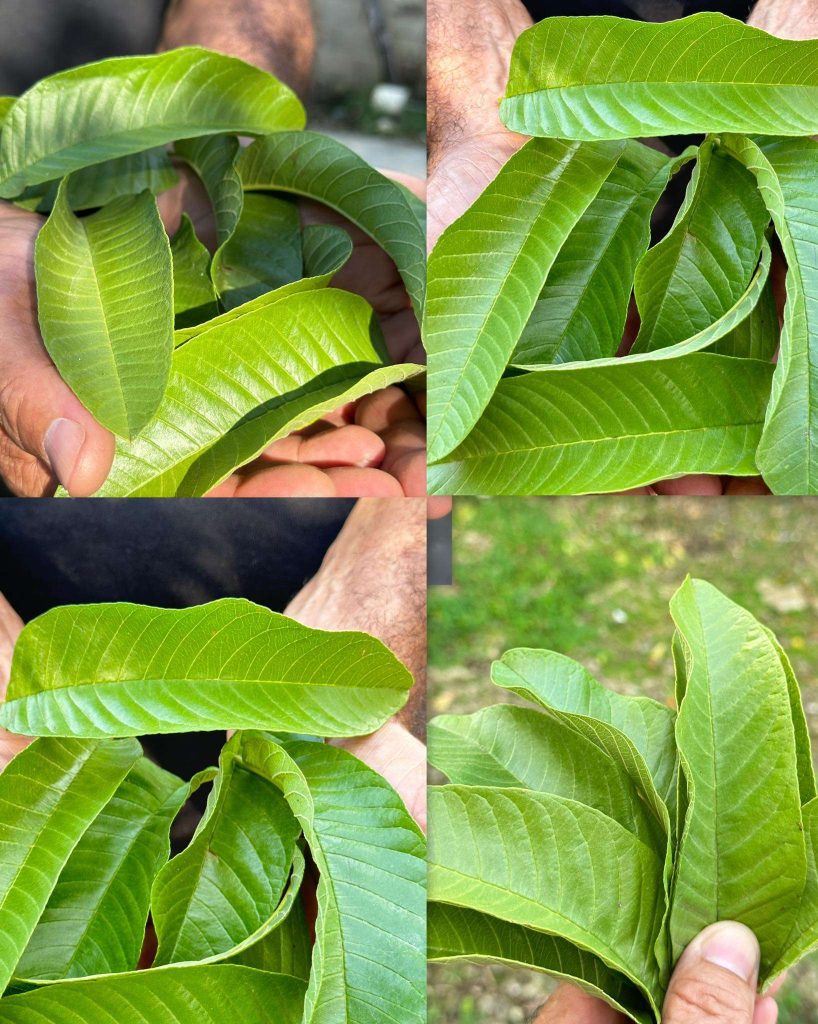
BENEFITS OF GUAVA LEAVES
 Espanol
🌿 Discover the Incredible Benefits of Guava Leaves: A Natural Remedy for Modern Wellness 🌿
Espanol
Have you ever considered that the leaves of a common tropical fruit tree might hold the key to better health? While guava fruit is widely enjoyed for its sweet, tropical flavor, its leaves are often overlooked despite being packed with powerful compounds. Guava leaves have been used for centuries in traditional medicine across Asia, Africa, and Latin America, and modern science is now confirming their impressive range of health benefits. In this comprehensive guide, we will explore the nutritional profile of guava leaves, their top health advantages, practical ways to incorporate them into your daily routine, and important precautions to consider. Whether you’re looking to improve digestion, control blood sugar, or boost your immune system, guava leaves may be the natural ally you’ve been searching for. Let’s dive in! 🌱
🌿 Nutritional Profile of Guava Leaves
Before examining the benefits, it’s essential to understand what makes guava leaves so potent. These leaves are rich in bioactive compounds, including:
Polyphenols (such as quercetin and catechin), flavonoids, tannins, vitamin C, and essential oils. The high antioxidant content is primarily responsible for many of their therapeutic effects. One key compound, guajavarin, is unique to guava leaves and has been studied for its anti‑inflammatory, antimicrobial, and antidiabetic properties. Additionally, guava leaves contain iron, calcium, and potassium, making them a modest but meaningful source of essential minerals. 🌸
When we compare guava leaves to the fruit itself, the leaves actually have a higher concentration of certain antioxidants like quercetin. This makes them a more concentrated source of disease‑fighting phytochemicals, especially if consumed as a tea or extract. 🌿
🍃 Top Health Benefits of Guava Leaves
1. 🌱 Supports Digestive Health
Guava leaves have a long history as a natural remedy for digestive issues. Their antimicrobial and anti‑inflammatory properties help combat gastrointestinal infections. For instance, leaf extracts have been shown to inhibit the growth of E. coli, Salmonella, and other harmful bacteria, making them useful for preventing and treating diarrhea. 🌿 A study published in the Journal of Ethnopharmacology found that guava leaf tea significantly reduced the frequency and duration of diarrhea in children.
Practical tip: Brew a cup of guava leaf tea by steeping 5–6 fresh or dried leaves in hot water for 10 minutes. Drink it once or twice a day to soothe an upset stomach or support overall gut health. Chewing raw guava leaves can also relieve indigestion and bloating. 🍵
2. 🩸 Helps Control Blood Sugar Levels
One of the most exciting benefits of guava leaves is their ability to regulate blood sugar. Compounds like avicularin and quercetin inhibit the absorption of dietary sugars and improve insulin sensitivity. Several human studies have demonstrated that drinking guava leaf tea after meals can lower post‑meal blood glucose levels in people with type 2 diabetes. 🍃
Important note: If you are currently taking diabetes medication, consult your doctor before adding guava leaf supplements to your routine, as it may enhance the effects and cause hypoglycemia. 🌟
3. 💧 Promotes Weight Loss
Guava leaves can be a valuable addition to a weight‑loss plan. They contain compounds that inhibit the conversion of starches into sugars and reduce the formation of fat cells. A 2019 animal study found that guava leaf extract decreased body weight and body fat percentage in obese mice. While human research is still limited, the anti‑obesity effects are promising. 🌱
How to use: Replace sugary drinks with unsweetened guava leaf tea. Its mild, slightly astringent flavor makes it a refreshing alternative. Combine it with a balanced diet and regular exercise for best results. 🏋️
4. ❤️ Supports Heart Health
Guava leaves contribute to cardiovascular wellness through multiple mechanisms. Their antioxidant properties help reduce oxidative stress, a key factor in heart disease. Additionally, the leaves have been shown to lower LDL (“bad”) cholesterol and triglycerides while raising HDL (“good”) cholesterol. In a clinical trial, participants who consumed guava leaf tea for eight weeks experienced a significant reduction in total cholesterol and blood pressure. 🌿
Tip: Incorporate guava leaf tea as part of a heart‑healthy lifestyle. Steep 2–3 dried leaves in boiling water, let it cool, and drink one cup daily. You can also combine it with lemon or ginger for added flavor and health benefits. 🍋
5. 🦷 Fights Oral Infections and Promotes Dental Health
Due to their antimicrobial and anti‑inflammatory actions, guava leaves are used in many traditional toothpaste and mouthwash formulations. Chewing fresh guava leaves or rinsing with a strong leaf decoction can help reduce plaque, fight gingivitis, and heal mouth ulcers. The leaves’ tannins also have a mild astringent effect that tightens gums and reduces bleeding. 🪥
DIY mouthwash: Boil a handful of guava leaves in two cups of water for 10 minutes, strain, cool, and use it as a rinse twice a day. This natural remedy is free of alcohol and artificial chemicals. ✨
6. 🌸 Enhances Skin Health and Anti‑Aging
Guava leaves are loaded with antioxidants, including vitamin C and lycopene, which help protect the skin from damage caused by free radicals and UV radiation. Topical application of guava leaf extract can reduce acne, soothe inflammation, and promote wound healing. A mask made from crushed guava leaves and honey is a popular natural treatment for pimples and uneven skin tone. 🌿
For glowing skin: Grind fresh guava leaves into a paste, apply it to your face, leave it on for 10 minutes, and rinse. The antibacterial properties help prevent breakouts while the antioxidants brighten your complexion. 🌟
7. 🌿 Boosts Immune System
With a higher vitamin C content than many citrus fruits, guava leaves are a powerful immune booster. Vitamin C stimulates the production of white blood cells and acts as an antioxidant. Additionally, the leaves’ antimicrobial properties help the body fight off infections, from the common cold to bacterial gastroenteritis. 🛡️
Simple immune tonic: Brew guava leaf tea with a slice of fresh ginger and a dash of honey. Drink it warm during cold and flu season to support your body’s defenses. 🍯
🧪 How to Use Guava Leaves: Internally and Externally
Guava leaves are versatile and can be prepared in several ways:
- Tea (infusion): The most common method. Use 5–10 fresh or dried leaves per cup of boiling water. Steep for 10–15 minutes. Drink up to 3 cups per day.
- Powder: Dried leaves can be ground into a fine powder and taken as a supplement (1–2 grams daily) or added to smoothies and soups.
- Tincture: A concentrated extract made by soaking leaves in alcohol or glycerin. Follow product instructions for dosage.
- Topical paste: Crush fresh leaves into a paste and apply to skin for acne, wounds, or insect bites.
- Mouthwash: Boil leaves in water, strain, and use as a gargle or rinse.
Important caution: Always wash fresh leaves thoroughly before use. If you are pregnant, nursing, or have a medical condition, consult a healthcare professional before taking guava leaf supplements. 🌱
🔬 Scientific Evidence and Traditional Wisdom
Modern research is increasingly validating traditional uses of guava leaves. A 2021 review in the journal Molecules highlighted that guava leaf extracts exhibit anti‑diabetic, anti‑inflammatory, anti‑cancer, and hepatoprotective activities. Another study found that guava leaf tea was effective in reducing menstrual cramps due to its muscle‑relaxant properties. 🌸
Traditional Ayurvedic and Chinese medicine practitioners have long recommended guava leaves for digestive disorders, diabetes, and as a detoxifying agent. This synergy between ancestral knowledge and clinical evidence makes guava leaves a safe and effective natural remedy when used appropriately. 🌿
⚠️ Potential Side Effects and Precautions
While guava leaves are generally safe, certain precautions are warranted:
- Pregnancy and breastfeeding: Avoid high doses or supplements; stick to moderate tea consumption after consulting your doctor.
- Diabetes medication: Guava leaves can lower blood sugar. Monitor your levels closely and adjust medication as needed (with medical guidance).
- Allergies: Although rare, some people may be allergic to guava. Discontinue use if you experience itching, swelling, or digestive upset.
- Kidney conditions: Due to the potassium content, individuals with impaired kidney function should use guava leaves in moderation.
Start with small amounts (e.g., one cup of tea per day) and observe how your body responds. 🌟
🌍 Conclusion: Embrace the Power of Guava Leaves
Guava leaves are far more than a by‑product of a delicious fruit—they are a concentrated source of antioxidants, vitamins, and minerals that can support digestive health, blood sugar control, weight management, heart health, oral hygiene, skin care, and immunity. Whether you choose to enjoy a warm cup of guava leaf tea each morning, apply a paste for clearer skin, or rinse your mouth with a leaf decoction, this natural remedy offers an accessible and affordable way to enhance your well‑being. 🌿
Remember, consistency is key. Integrate guava leaves into a balanced lifestyle that includes a nutritious diet, regular physical activity, and adequate sleep. As always, listen to your body and consult a healthcare provider for personalized advice, especially if you have underlying health conditions or are taking medications. 📋
Now that you know about the remarkable benefits of guava leaves, why not give them a try? Pick up some fresh leaves from a local market or grow your own guava tree. Your body will thank you for this simple yet powerful addition to your natural health toolkit. 🍃✨
This article is for informational purposes only and does not constitute medical advice. Always seek the guidance of a qualified health professional with any questions regarding your health or a medical condition. 🌱
Deja una respuesta