BENEFITS OF GUAVA LEAVES
 Espanol
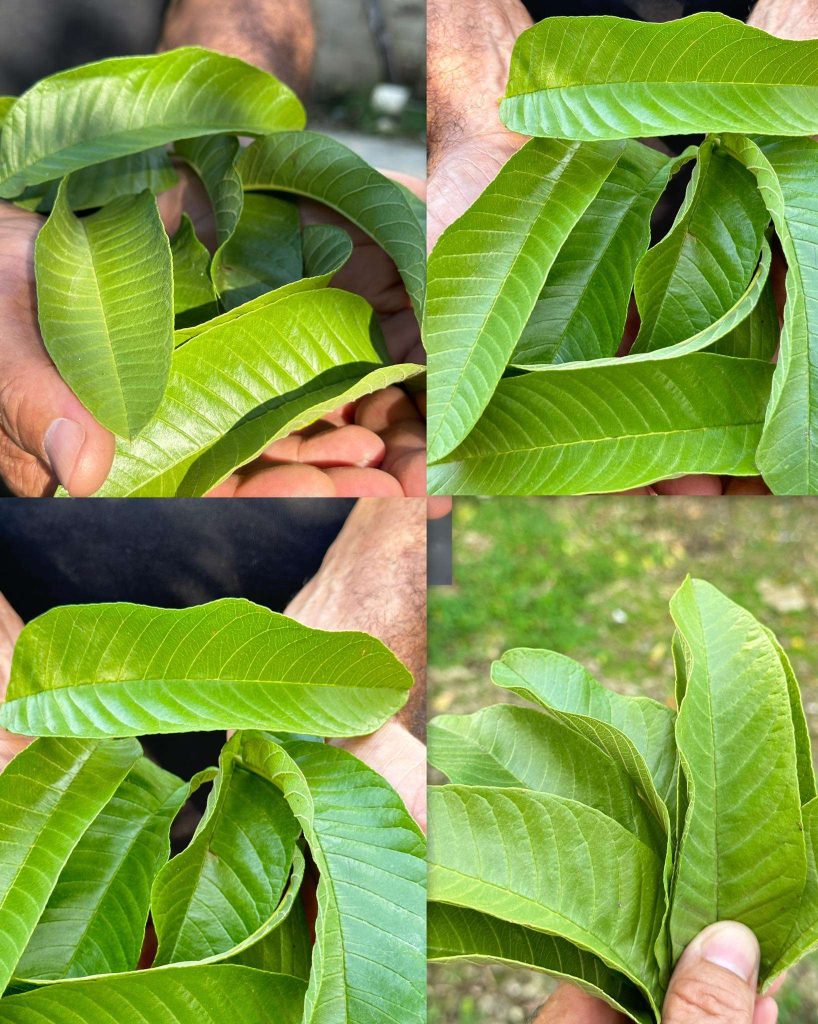
Guava leaves are often overlooked in favor of the fruit itself, but these glossy green leaves pack a surprising punch of health benefits. For centuries, they have been used in traditional medicine across Asia, Africa, and Latin America. Modern research now confirms what herbalists have long known: guava leaves are a natural powerhouse. 🍃 In this guide, we'll explore the most compelling benefits of guava leaves, how to use them safely, and why adding them to your wellness routine could be a game-changer.
Espanol
🌿 Nutritional Profile of Guava Leaves
Guava leaves are rich in antioxidants, flavonoids, tannins, and essential oils. They contain high levels of vitamin C, carotenoids, and polyphenols like quercetin and avicularin. These compounds give guava leaves strong anti-inflammatory, antimicrobial, and digestive-supporting properties. 🛡️ Unlike many herbal remedies, guava leaves are easy to find fresh or dried, and their active compounds remain effective even after steeping as tea.
🧪 Digestive Health: A Natural Gut Soother
One of the most well-documented benefits of guava leaves is their ability to relieve diarrhea and other digestive issues. The tannins in the leaves act as astringents, helping to bind loose stools and reduce intestinal inflammation. A study published in the Journal of Ethnopharmacology found that guava leaf extract significantly shortened the duration of acute diarrheal episodes. 🌿 Try drinking guava leaf tea (made by steeping washed leaves in hot water for 5–7 minutes) when you experience mild stomach upset. For chronic digestive problems, consult a healthcare professional first.
🩸 Blood Sugar Management: A Promising Natural Aid
Research indicates that guava leaf tea may help lower blood glucose levels after meals. The compounds in the leaves can inhibit the absorption of carbohydrates from the gut, reducing spikes in blood sugar. A small clinical trial observed that participants who drank guava leaf tea before meals had significantly lower post-meal blood sugar compared to those who drank plain water. 🌱 Important: If you are on diabetes medication, monitor your levels carefully and consult your doctor before adding guava leaf tea to your routine.
❤️ Cardiovascular Support: Heart-Healthy Benefits
The antioxidants in guava leaves, especially vitamin C and flavonoids, help reduce oxidative stress and inflammation, two major contributors to heart disease. Animal studies suggest that guava leaf extract can lower total cholesterol and triglycerides while raising HDL ("good") cholesterol. 🌿 Additionally, the leaves have mild blood pressure‑lowering effects due to their ability to relax blood vessels. A daily cup of guava leaf tea could be a gentle, natural way to support your cardiovascular system when paired with a balanced diet and active lifestyle.
✨ Skin and Hair: Beauty from the Inside Out
Guava leaves are a popular ingredient in natural skincare and haircare routines. Applied topically, a cooled guava leaf decoction can help reduce acne and soothe skin irritations thanks to its antibacterial and anti‑inflammatory properties. 🧴 For hair, rinsing with guava leaf tea after shampooing may strengthen hair follicles, reduce dandruff, and add shine. The high vitamin C content also supports collagen production, which keeps skin firm and youthful. 💁♀️ To make a simple skin toner, boil 5–7 fresh leaves in one cup of water, let it cool, and apply with a cotton pad.
🦠 Antimicrobial Power: Fighting Infections Naturally
Multiple studies confirm that guava leaf extracts are effective against common bacteria like Staphylococcus aureus and Escherichia coli, as well as fungi such as Candida. This makes guava leaves a useful home remedy for minor wounds, mouth ulcers, and sore throats. 🌿 Gargling with warm guava leaf tea can help soothe a sore throat and reduce oral bacteria. However, do not rely solely on guava leaves for serious infections – always seek medical advice.
☕ How to Prepare and Use Guava Leaves
Fresh or dried guava leaves are available at many health food stores or can be harvested from a guava tree if you have access. Here are a few simple ways to incorporate them into your routine:
- Guava Leaf Tea: Steep 5–10 fresh, washed leaves (or 1–2 teaspoons of dried leaves) in hot water for 5–7 minutes. Strain and drink. You can add a little honey or lemon for taste. 🍵
- Topical Paste: Crush fresh leaves into a paste and apply to acne, insect bites, or minor cuts. Leave for 15 minutes before rinsing.
- Hair Rinse: Boil a handful of leaves in 2 cups of water, cool, and use as a final rinse after shampooing.
Important caution: Guava leaf tea is generally safe for most people, but pregnant or breastfeeding women should consult a doctor. Start with small amounts to see how your body reacts.
📝 Conclusion: A Simple Leaf with Extraordinary Potential
Guava leaves are far more than a byproduct of a beloved fruit – they are a versatile, natural remedy with real, science‑backed benefits. From soothing digestive troubles and managing blood sugar to nourishing skin and hair, these leaves offer a gentle yet effective way to support overall wellness. 🍃 Whether you sip a warm cup of tea or apply a simple compress, you're tapping into centuries of traditional wisdom validated by modern research. Start small, listen to your body, and enjoy the journey toward a healthier you. Remember that no herbal remedy replaces professional medical advice, but as a complementary tool, guava leaves are a worthy addition to your natural health toolkit.
Deja una respuesta