BENEFITS OF GUAVA LEAVES
 Espanol
🌿 Unlocking the Power of Nature: The Remarkable Benefits of Guava Leaves 🌿
Espanol
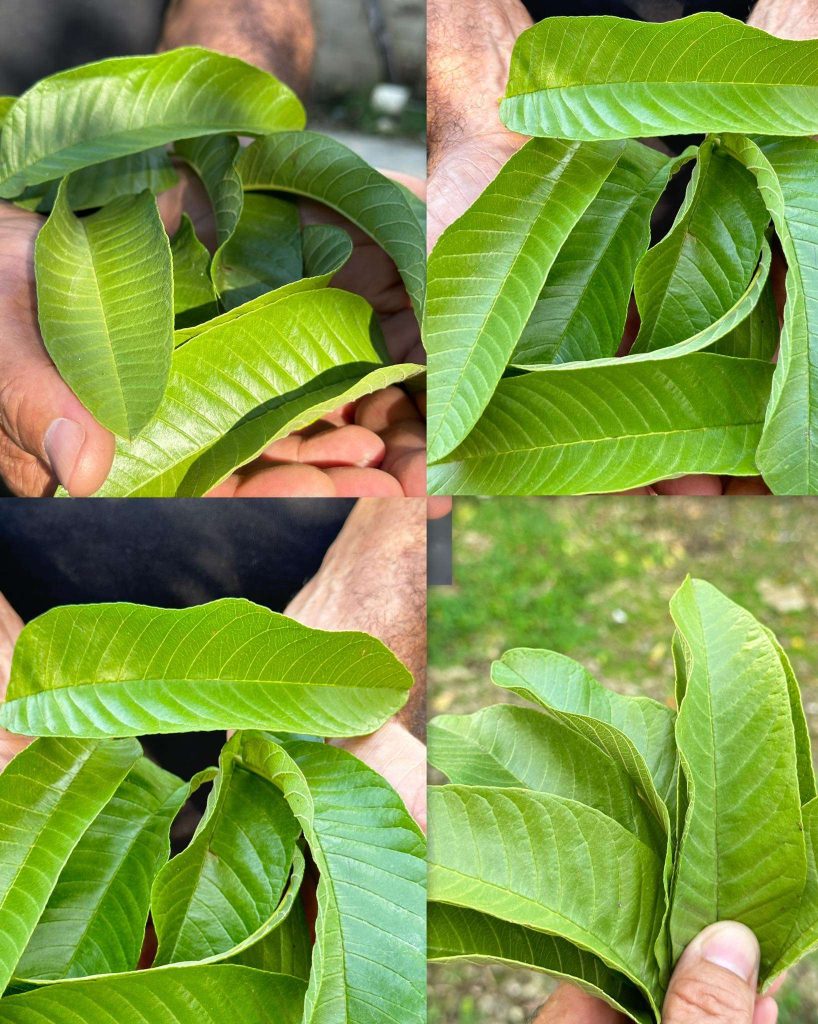
Guava leaves might be the most underrated gift of tropical nature. While the fruit steals the spotlight with its sweet, fragrant flesh, the leaves of the guava tree (Psidium guajava) have been used for centuries in traditional medicine across Asia, Africa, and Latin America. Modern research now confirms what our ancestors knew: these humble leaves are packed with antioxidants, anti‑inflammatory compounds, and antimicrobial properties that can transform your health. In this article, we’ll explore the science‑backed benefits of guava leaves and show you how to incorporate them into your daily routine. Whether you’re looking to improve digestion, boost immunity, or care for your skin, guava leaves offer a natural, affordable solution that belongs in every home. Let’s dive in! 🌱
🍃 The Nutritional Profile of Guava Leaves: What Makes Them So Powerful?
Before we discuss specific benefits, it’s essential to understand what gives guava leaves their extraordinary therapeutic value. These leaves are a concentrated source of bioactive compounds, including:
- Flavonoids like quercetin and kaempferol – potent antioxidants that fight oxidative stress.
- Polyphenols – compounds that reduce inflammation and support heart health.
- Vitamin C – significantly higher in leaves than in the fruit itself (up to 500 mg per 100 g).
- Tannins – astringent agents that help with diarrhea and wound healing.
- Essential oils with antimicrobial and antifungal properties.
This unique combination makes guava leaves effective for everything from digestive disorders to oral care. The best part? You can use them fresh or dried, as a tea, topical compress, or even in capsule form. 💚
🌿 Benefit #1: Digestive Health – Nature’s Gentle Remedy
One of the most celebrated uses of guava leaves is for digestive complaints. The leaves contain high levels of tannins and other astringents that help reduce inflammation in the gut lining and slow down the movement of the intestines. This makes them particularly effective for:
- Diarrhea – A traditional remedy in many cultures. Drinking a cup of guava leaf tea can reduce the frequency and severity of diarrhea without causing constipation. Studies confirm its ability to inhibit the growth of bacteria like E. coli and Staphylococcus aureus that often cause food‑borne illnesses.
- Bloating and gas – The carminative properties of guava leaves help expel gas and soothe an upset stomach.
- Indigestion – Regular consumption can improve overall digestion and reduce acidity.
Practical tip: Steep 5–10 fresh guava leaves in a cup of boiling water for 10 minutes. Drink this tea after meals to support digestion. For acute diarrhea, drink 2–3 cups per day until symptoms subside. 🍵
🌿 Benefit #2: Blood Sugar Regulation – A Natural Aid for Diabetes
Guava leaves have shown remarkable potential for managing blood sugar levels. Several studies have found that guava leaf extract can lower blood glucose after meals and improve insulin sensitivity. The mechanism involves:
- Inhibition of alpha‑glucosidase – An enzyme that breaks down complex carbohydrates into sugar. By blocking this enzyme, guava leaves slow down the absorption of sugar, preventing sharp spikes.
- Improved pancreatic function – Antioxidants in the leaves may protect the beta cells of the pancreas, which produce insulin.
A 2019 clinical trial published in the Journal of Ethnopharmacology gave diabetic participants guava leaf tea daily for 12 weeks. The group saw a significant reduction in fasting blood sugar and HbA1c levels compared to the placebo group. 🌟
Important note: If you are on diabetes medication, consult your doctor before adding guava leaves to your routine, as they may enhance the effects of your medicine.
🌿 Benefit #3: Oral Health – A Cleaner, Fresher Smile
Believe it or not, guava leaves are a powerful natural mouthwash. The antimicrobial and anti‑inflammatory properties make them ideal for fighting plaque, gum disease, and bad breath. Traditional communities often chew on fresh guava leaves or use a decoction as a gargle. Research supports this:
- Guava leaf extract inhibits the growth of Streptococcus mutans, the main bacteria responsible for cavities.
- It reduces bleeding and swelling in gingivitis patients within a few weeks of regular use.
- The astringent effect helps tighten gums and prevent receding gum lines.
How to use: Boil 10–12 fresh leaves in 2 cups of water for 15 minutes. Cool the liquid, then use it as a mouthwash twice a day. Not only will your breath stay fresh, but your gums will feel healthier. 😁
🌿 Benefit #4: Skin Care – Acne, Wounds, and Anti‑Aging
When applied topically, guava leaves work wonders for the skin. Their antibacterial, antifungal, and antioxidant properties make them a multi‑purpose skincare ingredient:
- Acne treatment – The leaves can reduce pimples and prevent new breakouts by killing acne‑causing bacteria and reducing inflammation. Crush fresh leaves into a paste and apply as a spot treatment for 15 minutes.
- Wound healing – Tannins help contract tissues and speed up the healing of cuts, burns, or insect bites. The antimicrobial effect also prevents infection.
- Anti‑aging – Antioxidants like vitamin C and flavonoids fight free radicals that cause wrinkles and fine lines. A guava leaf toner can help maintain skin elasticity and brightness.
DIY face mask: Mix powdered guava leaves with a little honey and yogurt. Apply to your face for 20 minutes, then rinse. Your skin will feel refreshed and rejuvenated. ✨
🌿 Benefit #5: Heart Health and Cholesterol Management
Guava leaves can play a role in protecting your cardiovascular system. Animal and human studies have shown that regular consumption of guava leaf tea may:
- Lower LDL (bad) cholesterol and triglycerides while increasing HDL (good) cholesterol.
- Reduce blood pressure – The antioxidants relax blood vessels and improve circulation.
- Prevent atherosclerosis by reducing oxidative stress and inflammation in artery walls.
A 2016 study found that participants who drank guava leaf tea for 6 weeks experienced a 10% reduction in total cholesterol and a 15% reduction in LDL cholesterol. While more research is needed, the preliminary evidence is promising. ❤️
For best results: Combine guava leaf tea with a balanced diet low in saturated fats and rich in fiber. As always, consult with your healthcare provider if you have existing heart conditions.
🌿 Benefit #6: Immune Support and Cold Relief
Guava leaves are a tremendous source of vitamin C – in fact, they contain about five times more than oranges per gram. This makes them an excellent natural defense against colds, flu, and infections. Additionally, the anti‑inflammatory compounds can help relieve symptoms such as:
- Sore throat – Gargling with guava leaf tea soothes inflammation and kills bacteria.
- Cough – The expectorant properties help loosen mucus and ease congestion.
- Fever – Drinking the tea can promote sweating and help reduce fever naturally.
During flu season, consider making a batch of guava leaf tea with added ginger and honey for an immune‑boosting elixir. 🌡️🛡️
🌿 How to Prepare Guava Leaves: Practical Tips
You can use guava leaves in several forms:
- Tea: The most common method. Use fresh or dried leaves – 5–10 leaves per cup of boiling water. Steep 10 minutes, strain, and enjoy. You can add lemon or honey for taste.
- Powder: Dry the leaves in the shade, then grind into a fine powder. Add a teaspoon to smoothies, soups, or water.
- Topical paste: Crush fresh leaves with a mortar and pestle, or mix the powder with water or coconut oil.
- Capsules: For convenience, you can buy guava leaf extract supplements at health food stores (always check purity).
Important safety note: While guava leaves are generally safe for most people, avoid excessive consumption during pregnancy or while breastfeeding due to lack of safety studies. Also, if you have a known allergy to guava or related fruits, test a small amount first. Always source leaves from organic, pesticide‑free plants. 🌱
🌿 Final Thoughts – Embrace the Leaf
Guava leaves are a shining example of how nature provides us with powerful remedies right in our own backyards. From soothing an upset stomach to brightening your skin and supporting your heart, these leaves offer a wide array of benefits that are both scientifically validated and time‑tested. The best part? They are affordable, sustainable, and easy to use. 🌍
I encourage you to start small – maybe by replacing your afternoon coffee with a cup of guava leaf tea, or by making a simple DIY mouthwash. As you experience the gentle yet effective results, you’ll understand why guava leaves have been treasured for generations. Remember, consistency is key – make them a regular part of your wellness routine, and your body will thank you.
Have you tried guava leaves before? Do you have a favorite way to use them? Share your experiences in the comments below – let’s learn from each other and keep this ancient wisdom alive! 💬🌿
Deja una respuesta