BENEFITS OF GUAVA LEAVES
 Espanol
Guava leaves are far more than just a byproduct of the fruit we enjoy. Across many cultures, especially in traditional medicine systems, these leaves have been used for centuries to support digestion, skin health, and even blood sugar balance. In this article, we will explore the science-backed benefits of guava leaves, how to use them safely, and why you might want to consider adding them to your daily wellness routine. Our goal is to provide you with clear, practical, and trustworthy information that empowers you to make informed choices for your health. 🌿
Espanol
The Nutritional Profile of Guava Leaves 🧪
Before diving into the specific benefits, it helps to understand what makes guava leaves so powerful. Guava leaves are rich in antioxidants, particularly flavonoids like quercetin, as well as tannins, vitamin C, and essential oils. These compounds work together to fight oxidative stress, reduce inflammation, and support your body's natural defense systems. Unlike the fruit, which is high in sugar and fiber, the leaves offer a concentrated source of bioactive compounds without the calories.
Additionally, they contain high levels of polyphenols, which have been linked to lower risks of chronic diseases. One key compound, avicularin, has demonstrated antiviral and antibacterial properties in preliminary studies. This nutritional density is why guava leaf tea has become a popular herbal remedy in many parts of the world. 🌍
How Guava Leaves Support Digestive Health 🥗
Perhaps the most well‑known benefit of guava leaves is their positive effect on digestion. If you have ever experienced an upset stomach, diarrhea, or indigestion, a cup of guava leaf tea might help more than you think. Research shows that the tannins in guava leaves can reduce intestinal inflammation and inhibit the growth of harmful bacteria like E. coli and Staphylococcus aureus.
One practical tip: drink guava leaf tea after heavy meals to ease bloating and cramping. You can make it by steeping 5‑10 fresh or dried leaves in hot water for 5‑7 minutes. Many users report that it works faster than over‑the‑counter remedies for mild digestive discomfort. 🍃☕
For those dealing with chronic digestive issues like irritable bowel syndrome (IBS), guava leaves may offer gentle relief without side effects. However, always consult your healthcare provider before using any herbal treatment for a chronic condition.
Benefits for Blood Sugar Control 🩸
Another area where guava leaves shine is metabolic health. Several studies suggest that guava leaf extract can help lower blood sugar levels by inhibiting the absorption of sugar from the intestines and improving insulin sensitivity. This makes it a natural ally for people with type 2 diabetes or those looking to manage their glucose levels.
How to use it: drink unsweetened guava leaf tea regularly — one or two cups per day can be effective. Avoid adding sugar or honey, as that would defeat the purpose. A 2010 study published in the journal Nutrition and Metabolism found that participants who consumed guava leaf tea experienced a significant reduction in post‑meal blood sugar spikes compared to a placebo group.
Important note: if you are already on diabetes medication, monitor your blood sugar closely when adding guava leaves to your routine to avoid hypoglycemia. Always work with your doctor. 🩺
Guava Leaves for Immune Support 🛡️
Thanks to their high vitamin C content and antimicrobial properties, guava leaves can strengthen your immune system. Vitamin C is essential for white blood cell production and collagen synthesis, while the flavonoids in the leaves help reduce oxidative damage caused by free radicals.
During cold and flu season, sipping guava leaf tea can be a soothing and protective habit. It may also help reduce the severity and duration of symptoms. For an extra boost, combine it with ginger and a squeeze of lemon (but remember to skip sweeteners). 🍋
Some traditional practices even use chewed raw guava leaves to treat mouth ulcers and sore throats — the antimicrobial action works directly on the affected tissues. If you try this, be sure to rinse your mouth with water afterward to avoid staining your teeth.
Skin and Hair Benefits of Guava Leaves 💆♀️
Guava leaves are also popular in natural skincare. The astringent and anti‑inflammatory properties make them effective for reducing acne, soothing minor wounds, and calming irritated skin. You can apply a cooled guava leaf tea directly to your face as a toner, or mash fresh leaves into a paste and use it as a spot treatment.
For hair health, rinsing your hair with guava leaf tea may help reduce dandruff and strengthen hair follicles. The antioxidants protect the scalp from oxidative stress, while the anti‑fungal compounds fight the yeast that can cause dandruff. Just brew a strong tea, let it cool, and use it as a final rinse after shampooing.
Remember: always do a patch test before applying any new substance to your skin or scalp to ensure you don’t have a reaction. 🌸
How to Choose and Store Guava Leaves 🛒
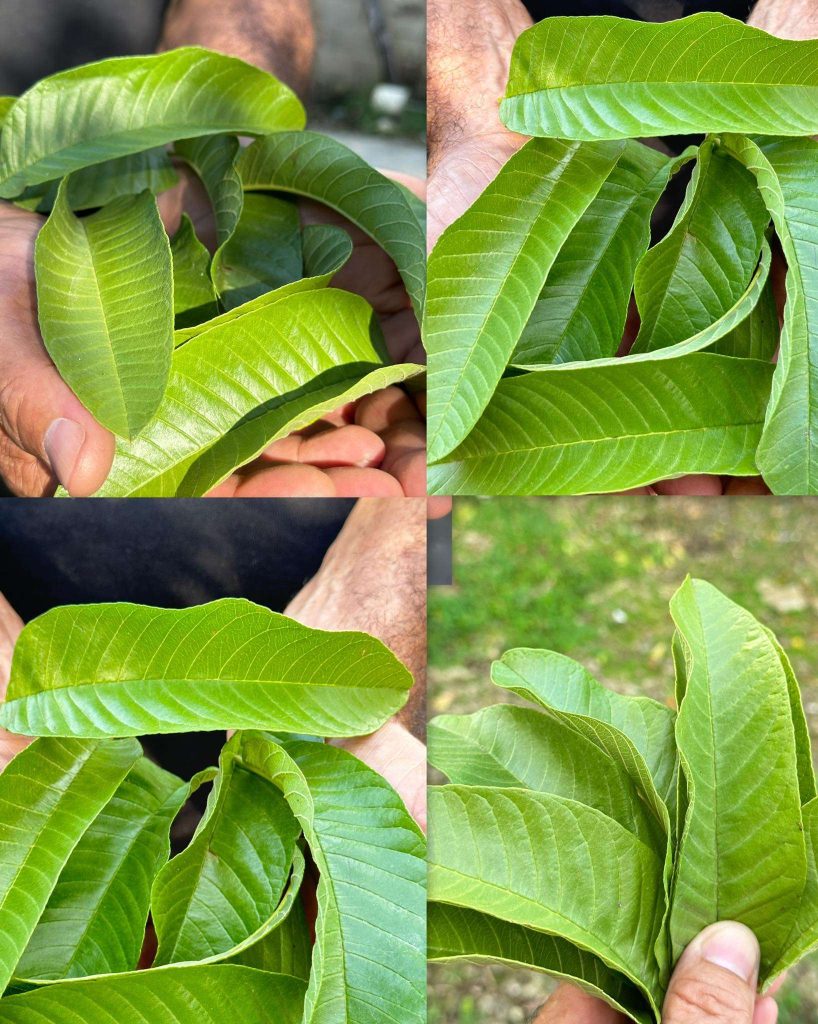
To get the most out of guava leaves, quality matters. Look for fresh, vibrant green leaves without brown spots or signs of wilting. If you are buying dried leaves, choose ones that are crisp and have a strong, earthy aroma. Avoid any that feel musty or look faded.
Storage tips: fresh leaves can be refrigerated in a sealed bag for up to a week. Dried leaves should be kept in an airtight container away from light and moisture — they can last for up to a year. For tea, use one tablespoon of dried leaves per cup of hot water. Steep for 5‑7 minutes, then strain.
If you have access to a guava tree, you can also harvest your own leaves. Wash them thoroughly and dry them in the shade for long‑term use. 🍃
Potential Side Effects and Precautions ⚠️
While guava leaves are generally safe, there are a few things to keep in mind. Pregnant and breastfeeding women should avoid concentrated extracts or large amounts unless advised by a doctor. Also, because guava leaves can lower blood pressure and blood sugar, people on medication for these conditions should start with small amounts and monitor themselves closely.
Drinking too much guava leaf tea may cause constipation in some individuals due to the tannin content. If that happens, reduce your intake and increase your water consumption. Stick to 2‑3 cups per day as a general guideline.
Finally, always purchase leaves from reputable sources to avoid contamination with pesticides or heavy metals. Organic is best when possible. 🌱
Conclusion: Make Guava Leaves Part of Your Wellness Routine 💚
Guava leaves are an underestimated natural resource that can support your digestion, blood sugar, immunity, and skin health — all with minimal effort and cost. Whether you choose to enjoy them as a tea, apply them topically, or use them as a rinse, they offer a gentle yet effective way to complement your daily health practices.
Start with one cup of guava leaf tea per day and observe how your body responds. Over time, you may notice improvements in your energy, digestion, and overall well‑being. Remember, herbs are powerful tools, but they work best alongside a balanced diet, regular exercise, and proper medical care.
We hope this guide has given you the confidence to explore the benefits of guava leaves for yourself. If you have tried them before, we would love to hear about your experience. Share your thoughts and tips in the comments — your story could help someone else discover this humble leaf's incredible potential. 🍃💬
Deja una respuesta