BENEFITS OF GUAVA LEAVES
 Espanol
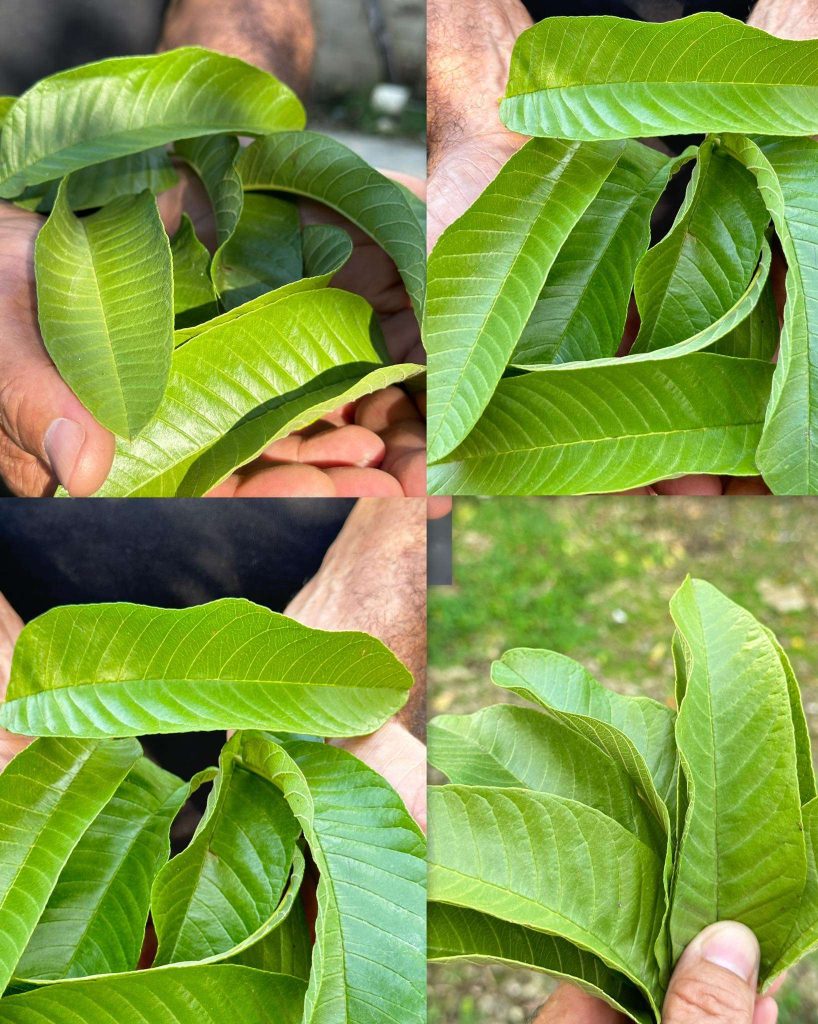
Guava leaves are far more than just the greenery of a tropical fruit tree. For centuries, they have been used in traditional medicine across Asia, Africa, and Latin America to treat a wide range of ailments. Packed with bioactive compounds, these leaves offer impressive health benefits that modern science is only beginning to confirm. In this article, you will discover the most evidence‑based advantages of guava leaves, from improving digestion to supporting heart health, and learn practical ways to incorporate them into your daily routine. 🌿
Espanol
Nutritional Profile of Guava Leaves 🧪
Guava leaves are a rich source of antioxidants, including flavonoids (such as quercetin), tannins, and essential oils. They also contain vitamin C, vitamin B complex, potassium, and fiber. Unlike the fruit, the leaves have a higher concentration of polyphenols and saponins, which are responsible for many of their therapeutic effects. A single cup of guava leaf tea provides a significant dose of these compounds without adding calories or sugar.
Powerful Antioxidant and Anti‑Inflammatory Action 🔥
Oxidative stress and chronic inflammation are root causes of numerous diseases, from arthritis to heart disease. Guava leaf extract has shown strong antioxidant activity in laboratory and animal studies, neutralizing free radicals and reducing markers of inflammation. Quercetin and vitamin C work synergistically to protect your cells and support a healthy immune response. ✅
Regular consumption of guava leaf tea may help lower systemic inflammation, making it a valuable addition to an anti‑inflammatory diet.
Supports Digestive Health 🥗
One of the most well‑known traditional uses of guava leaves is for digestive complaints. The leaves contain antimicrobial compounds that can fight harmful bacteria like E. coli and Staphylococcus aureus. They also help reduce excess stomach acid and relieve symptoms of diarrhea, indigestion, and bloating.
- For diarrhea: A decoction of guava leaves can help firm up stools and reduce frequency.
- For stomach ulcers: The anti‑inflammatory properties may soothe gastric lining and promote healing.
- For bloating: Drinking guava leaf tea after meals can improve digestion and reduce gas. 🌬️
Tip: Steep 5–7 fresh or dried guava leaves in boiling water for 10 minutes, strain, and drink up to two cups per day.
Helps Regulate Blood Sugar Levels 🩸
Several studies suggest that guava leaf extract can lower blood glucose levels and improve insulin sensitivity. The polyphenols in the leaves inhibit the absorption of carbohydrates in the intestine, preventing sharp spikes after meals. For people with type 2 diabetes or prediabetes, incorporating guava leaf tea into your daily routine may offer a natural, complementary approach to blood sugar management.
Important: Always consult your healthcare provider before adding herbal remedies, especially if you are taking medication for diabetes.
Promotes Healthy Skin and Hair ✨
The antibacterial and anti‑inflammatory properties of guava leaves make them excellent for topical use. A paste made from crushed leaves can help reduce acne, soothe insect bites, and speed up wound healing. The vitamin C content supports collagen production, keeping skin firm and youthful.
- Face mask: Grind fresh guava leaves with a little water and apply to clean skin for 15 minutes. Rinse off to reduce pimples and redness.
- Hair rinse: Boil guava leaves in water, let it cool, and use as a final rinse after shampooing. It may strengthen hair follicles, reduce dandruff, and add shine. 💇
Antimicrobial and Antiviral Properties 🦠
Extracts from guava leaves have demonstrated activity against a variety of pathogens, including bacteria, fungi, and even some viruses. This is largely due to tannins and essential oils like eugenol. Gargling with guava leaf tea can help relieve sore throats, mouth ulcers, and gum inflammation. It is a natural, alcohol‑free mouthwash alternative.
In regions where guava leaves are abundant, they are often used to treat respiratory infections and common colds. Steam inhalation with guava leaves can help clear nasal congestion. 🌬️
How to Use Guava Leaves Safely 🍃
Guava leaves are generally safe for most people, but there are a few precautions:
- Start with a small amount to check for allergies.
- Avoid excessive consumption – more than 3 cups of tea per day may cause nausea or constipation.
- Pregnant and breastfeeding women should consult a doctor before regular use.
- If you are on blood‑thinning medication (e.g., warfarin), be cautious as guava leaves contain vitamin K, which can affect clotting. ⚠️
You can find dried guava leaves at herbal shops, health food stores, or online. Alternatively, if you have access to a guava tree, pick fresh leaves, wash them thoroughly, and dry them in the shade for later use.
Conclusion 🌟
Guava leaves are a versatile and powerful natural remedy with benefits ranging from digestive support to blood sugar regulation, skin health, and antimicrobial action. By adding a simple cup of guava leaf tea to your daily routine, you can tap into centuries of traditional wisdom backed by modern research. Whether you are looking to improve your gut health, manage your weight, or simply boost your antioxidant intake, guava leaves offer a safe, affordable, and effective option.
Remember to always listen to your body and consult a professional when needed. Embrace the power of nature – your health will thank you! 💚
Deja una respuesta