BENEFITS OF GUAVA LEAVES
 Espanol
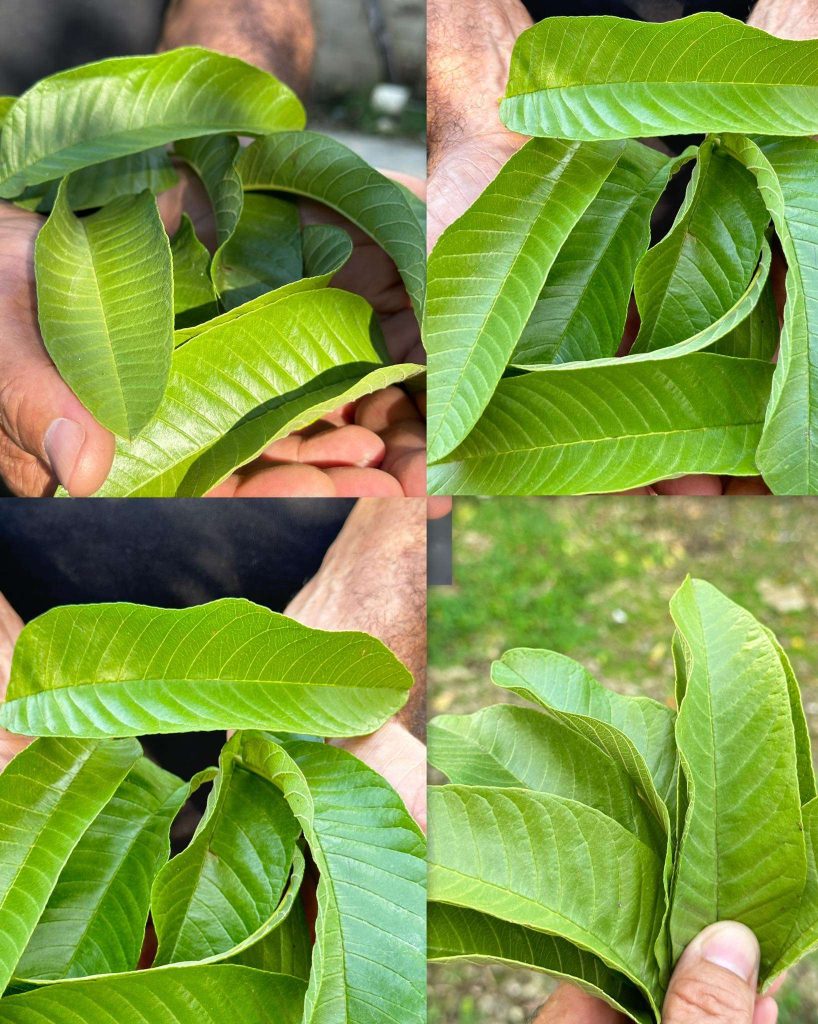
🌿 Guava leaves are far more than a byproduct of the beloved tropical fruit. For centuries, traditional medicine systems across Asia, Africa, and Latin America have harnessed these humble leaves to treat everything from digestive troubles to inflammation. Modern science is now catching up, validating what grandmothers have known all along. In this article, we'll explore the most compelling benefits of guava leaves, backed by research and practical tips for incorporating them into your daily wellness routine. Whether you're a health enthusiast or simply curious about natural remedies, you'll discover why these leaves deserve a spot in your home pharmacy.
Espanol
🍃 Nutrient Profile: What Makes Guava Leaves So Powerful?
Before diving into specific benefits, it helps to understand what gives guava leaves their therapeutic punch. They are rich in antioxidants like flavonoids, quercetin, and vitamin C, which fight oxidative stress and free radical damage. They also contain tannins (notably ellagic acid), which have astringent and anti-inflammatory properties. Plus, they provide essential minerals such as calcium, potassium, and magnesium. This unique combination makes guava leaves a versatile natural remedy.
Tip: For maximum potency, use fresh leaves if available. Dried leaves (sold as tea or powder) are a convenient alternative that still retain most beneficial compounds.
🧪 Digestive Health: A Gentle Yet Effective Aid
One of the most celebrated uses of guava leaves is for soothing the digestive system. The leaves' antibacterial properties help combat harmful bacteria like Staphylococcus aureus and E. coli, which can cause food poisoning and diarrhea. A simple guava leaf tea can reduce the frequency and duration of loose stools without the side effects of over‑the‑counter medications.
💡 Practical tip: Steep 5–7 fresh guava leaves (or 1 tablespoon of dried leaves) in a cup of boiling water for 10 minutes. Drink this tea 2–3 times daily during episodes of diarrhea. For long‑term digestive support, a cup of guava leaf tea after heavy meals can ease bloating and gas.
Additionally, compounds in the leaves stimulate the production of digestive enzymes, aiding in nutrient absorption. Regular consumption can help manage conditions like irritable bowel syndrome (IBS) by calming intestinal spasms.
🩸 Blood Sugar Management: A Natural Support for Diabetics
Controlling blood sugar is a top concern for millions worldwide. Guava leaves have shown remarkable potential in regulating glucose levels. Studies indicate that leaf extracts can inhibit the absorption of carbohydrates in the gut, thereby preventing sharp spikes in blood sugar after meals. Moreover, they improve insulin sensitivity, allowing cells to utilize glucose more effectively.
Key research: A 2010 study published in Nutrition and Metabolism found that participants who consumed guava leaf tea before a meal experienced significant reductions in post‑meal blood sugar compared to the control group. Another clinical trial reported that regular intake of guava leaf extract lowered fasting blood sugar by up to 20% over eight weeks.
🍵 For best results: Drink unsweetened guava leaf tea twice daily, preferably 30 minutes before meals. If you are on diabetes medications, consult your doctor before adding guava leaves to your regimen, as they can enhance the effect of insulin or oral hypoglycemics.
❤️ Heart Health: Lowering Cholesterol and Blood Pressure
Guava leaves contribute to cardiovascular wellness in multiple ways. Their high levels of soluble fiber and antioxidants help reduce LDL (bad) cholesterol while maintaining or even increasing HDL (good) cholesterol. This balance is crucial for preventing plaque buildup in arteries.
Research published in the Journal of Medicinal Food observed that subjects who took guava leaf extract for 12 weeks saw a 10‑15% reduction in total cholesterol and a 12% drop in triglycerides. The leaves also possess mild hypotensive properties, helping to lower blood pressure naturally by relaxing blood vessels and improving circulation.
💓 Heart‑healthy habit: Replace your morning coffee with a cup of guava leaf tea once or twice a week. The absence of caffeine makes it a safer choice for those with hypertension or arrhythmias.
🦷 Oral Hygiene: Fight Bad Breath and Gum Disease
Surprisingly, guava leaves can enhance your dental routine. Their strong antibacterial and anti‑inflammatory actions combat the bacteria responsible for plaque, gingivitis, and halitosis. Chewing a few fresh guava leaves or using a mouthwash made from boiled leaves can reduce gum bleeding and freshen breath naturally.
🪥 DIY mouthwash recipe: Boil 10 guava leaves in 2 cups of water until the liquid reduces by half. Strain, cool, and use as a rinse after brushing. For best results, use it twice daily and avoid swallowing.
This natural alternative is free from alcohol, harsh chemicals, and artificial flavors, making it ideal for people with sensitive gums or allergies.
🦠 Immune Boosting and Infection Protection
Guava leaves are a powerhouse for your immune system. Thanks to abundant vitamin C (four times more than oranges!) and antimicrobial compounds, they help your body fend off common infections like colds, flu, and even urinary tract infections. The leaves are particularly effective against Streptococcus mutans (a cause of tooth decay) and Salmonella.
During flu season, a warm cup of guava leaf tea can soothe a sore throat, reduce inflammation, and provide a gentle energy boost without jitters. Some studies also suggest that the leaves may inhibit the replication of certain viruses, including herpes simplex.
🌟 Pro tip: Add a slice of lemon and a teaspoon of raw honey to your guava leaf tea for an extra immune‑supporting synergy.
🌸 Skin Care: Acne, Wounds, and Anti‑Aging
The topical application of guava leaves can work wonders for your skin. Their astringent properties tighten pores and reduce excess oil, making them a natural ally against acne. Crushed leaves applied as a paste can calm inflamed pustules and prevent bacterial growth.
For minor cuts, scrapes, or insect bites, a poultice made from fresh guava leaves accelerates wound healing and reduces infection risk. The antioxidants also combat free radical damage, slowing down the formation of fine lines and age spots.
🧖 Face mask recipe: Grind 4–5 fresh guava leaves into a paste with a little water, mix with a tablespoon of yogurt, and apply to clean skin. Leave for 15 minutes, then rinse with warm water. Use weekly for a glowing complexion.
🩺 Anti‑Inflammatory and Pain Relief Properties
Chronic inflammation is at the root of many diseases, from arthritis to heart disease. Guava leaves contain potent anti‑inflammatory compounds like quercetin and avicularin that can reduce swelling and pain. Traditional use includes applying warm leaf compresses to sore joints or muscles, or drinking the tea to ease internal inflammation.
A 2019 animal study noted that guava leaf extract significantly reduced paw edema in rats, comparable to standard anti‑inflammatory drugs but with fewer side effects. While human studies are still ongoing, anecdotal evidence is strong.
For joint pain: Boil a handful of guava leaves in a liter of water, soak a cloth in the infusion, and place it on the affected area for 20 minutes. Repeat twice daily.
🌱 Weight Management: A Mild Appetite Suppressant
If you are on a weight loss journey, guava leaves can be a helpful addition. The tea can act as a mild appetite suppressant, reducing cravings for sugary snacks between meals. Additionally, the leaves inhibit the conversion of complex carbohydrates into sugars, helping to maintain stable energy levels and prevent fat storage.
⚖️ Smart strategy: Drink a cup of unsweetened guava leaf tea 20 minutes before lunch and dinner. It will help you feel fuller with smaller portions, without the crash associated with caffeine‑based appetite suppressants.
🧠 Potential Cognitive Benefits
Emerging research suggests that the antioxidants in guava leaves may protect brain cells from oxidative damage, potentially lowering the risk of neurodegenerative diseases like Alzheimer's and Parkinson's. Animal studies have shown improved memory and learning abilities in mice fed guava leaf extract. While more human trials are needed, the neuroprotective effects are promising.
Incorporate guava leaf tea into your day as a caffeine‑free alternative that supports both body and mind.
⚠️ Precautions and Side Effects
Although guava leaves are generally safe, moderation is key. Excessive consumption may lead to constipation due to the high tannin content. People with low blood pressure or those taking antihypertensive medications should monitor their levels, as guava leaves can further reduce pressure. Pregnant and breastfeeding women are advised to consult a healthcare provider before using concentrated extracts.
Always start with small amounts (e.g., half a cup of tea) to see how your body reacts.
💡 How to Use Guava Leaves in Daily Life
- 🌿 Tea: Steep fresh or dried leaves in boiling water. Drink warm or chilled.
- 🩹 Poultice: Crush fresh leaves and apply directly to wounds, rashes, or insect bites.
- 🦷 Mouthwash: Use the cooled infusion as a daily rinse.
- 🧴 Face mask: Combine leaf paste with natural ingredients like honey or yogurt.
- 🍵 Powder: Add guava leaf powder to smoothies, soups, or sprinkle on food.
Store dried leaves in an airtight container away from light to preserve potency. Fresh leaves can be refrigerated for up to a week.
🔬 Conclusion: A Leaf Worth Adding to Your Wellness Routine
From digestive comfort to glowing skin, guava leaves offer a scientifically backed, accessible way to support your health naturally. Their versatility means you can easily incorporate them into your daily habits—whether as a soothing tea, a topical remedy, or a culinary ingredient. While they are not a magic cure‑all, their array of benefits makes them a valuable tool in any preventative health toolkit.
🌟 Takeaway: Start small, listen to your body, and enjoy the journey of exploring this gift from nature. Share this guide with friends and family who might benefit from the humble guava leaf—because sometimes the most powerful remedies grow right in our backyards.
Remember, before making significant changes to your diet or health routine, especially if you have a medical condition or are on medication, consult with a qualified healthcare professional. Guava leaves are a complement, not a replacement, for medical treatment.
Deja una respuesta