BENEFITS OF GUAVA LEAVES
 Espanol
Introduction 🌿
Espanol
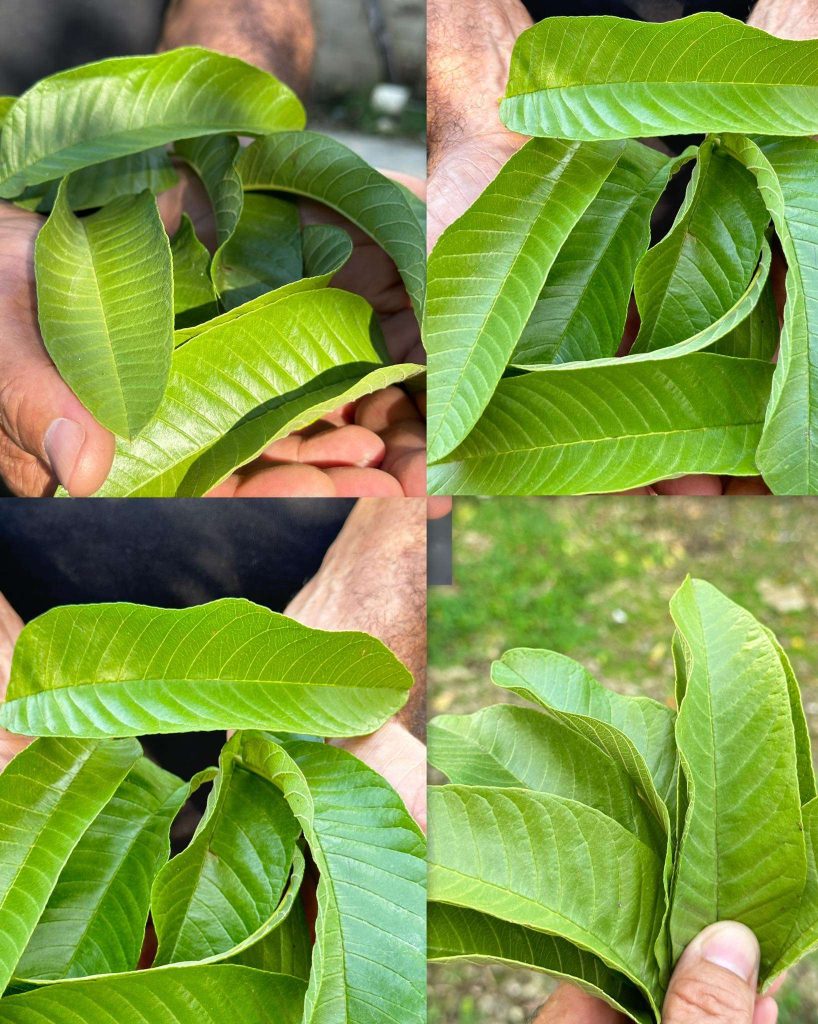
Guava leaves are far more than just a byproduct of the delicious tropical fruit. For centuries, they have been a cornerstone of traditional medicine in many cultures, praised for their remarkable healing properties. Modern science is now catching up, confirming what grandmothers and herbalists have long known: guava leaves are a powerhouse of antioxidants, anti-inflammatory compounds, and antimicrobial agents. In this article, we will explore the most compelling benefits of guava leaves, supported by research and practical tips you can apply in your daily life. Whether you are looking to improve your skin, support digestive health, or manage blood sugar, these humble leaves deserve a spot in your wellness routine. Let us dive into the green treasure that is guava leaf.
🌱 Nutritional Profile of Guava Leaves
Guava leaves are loaded with bioactive compounds. They contain high levels of **vitamin C**, **flavonoids** like quercetin, **tannins**, and **essential oils**. These components work synergistically to fight oxidative stress, reduce inflammation, and protect cells from damage. Unlike the fruit, the leaves are not typically eaten raw, but they can be brewed into a tea, made into a tincture, or used topically. The key is proper preparation to unlock their full potential. For instance, steeping fresh or dried leaves in hot water for 5–10 minutes releases water-soluble polyphenols that are easily absorbed by the body.
💇♀️ Promotes Hair Growth and Scalp Health
One of the most popular traditional uses of guava leaves is for hair care. The leaves contain **antioxidants** that stimulate hair follicles and improve blood circulation to the scalp. A simple guava leaf rinse can help reduce hair fall, strengthen roots, and even combat dandruff. How to use it: Boil a handful of fresh guava leaves in water until the liquid reduces by half. Let it cool, strain, and use it as a final rinse after shampooing. Massage gently into the scalp and leave it on for a few minutes before rinsing with plain water. Regular use (2–3 times a week) can lead to noticeable improvements in hair thickness and shine. 🧴
🫃 Supports Digestive Health
Guava leaves have a long history of being used to treat stomach issues. Their **antimicrobial** and **anti-spasmodic** properties help soothe diarrhea, dysentery, and indigestion. A study published in the Journal of Ethnopharmacology found that guava leaf extract inhibits the growth of harmful bacteria like Staphylococcus aureus while promoting the growth of beneficial gut flora. Drinking guava leaf tea after heavy meals can reduce bloating and cramping. Additionally, the leaves contain compounds that reduce inflammation in the gut lining, which is beneficial for those with irritable bowel syndrome (IBS). To prepare the tea, steep 2–3 dried leaves in a cup of boiling water for 10 minutes. Drink up to two cups per day for best results.
🩸 Helps Regulate Blood Sugar Levels
For individuals managing type 2 diabetes, guava leaves can be a valuable natural adjunct. Research indicates that compounds in the leaves inhibit the activity of alpha-glucosidase, an enzyme that breaks down carbohydrates into glucose. This results in a slower, more controlled release of sugar into the bloodstream after eating. A 2013 study in Nutrition and Metabolism showed that participants who consumed guava leaf tea had significantly lower post-meal blood glucose levels. The recommended dosage is one cup of guava leaf tea (made from 3–4 leaves) twice a day, preferably before meals. However, always consult your healthcare provider before using herbal remedies alongside prescription medication. 🍵
🩹 Accelerates Wound Healing and Skin Repair
When applied topically, guava leaves work wonders on cuts, scrapes, and minor burns. Their **antibacterial** and **anti-inflammatory** properties prevent infection and reduce swelling. The leaves can be crushed into a paste and applied directly to the wound. Alternatively, a concentrated decoction can be used as a wash. For acne-prone skin, guava leaf extract helps kill Propionibacterium acnes bacteria and soothes redness. Simply steep leaves in hot water, let the liquid cool, and apply it to clean skin with a cotton ball. Use it as a toner morning and night for clearer, calmer skin. 🌸
😁 Improves Oral Hygiene
Guava leaves are a natural ally for your mouth. Chewing on a fresh leaf or using a mouthwash made from the leaves can help fight bad breath, gum inflammation, and plaque buildup. The **antibacterial** effect of guava leaf compounds targets harmful oral bacteria, including those linked to gingivitis. A study in Pharmacognosy Research found that guava leaf mouthwash was as effective as a commercial chlorhexidine mouthwash in reducing plaque and gingival index scores. Try this homemade mouthwash: Boil a handful of leaves in two cups of water for 15 minutes. Strain, cool, and gargle twice daily. Store in the refrigerator for up to a week. 🦷
⚗️ How to Incorporate Guava Leaves into Your Routine
- Tea: The most common method. Use 2–4 fresh or dried leaves per cup of boiling water. Steep for 5–10 minutes. Add honey or lemon for taste.
- Topical paste: Crush fresh leaves into a paste using a mortar and pestle. Apply to skin or scalp as needed.
- Tincture: Chop fresh leaves and cover with vodka or apple cider vinegar. Let it sit for 2–4 weeks, shaking daily. Use as a concentrated extract.
- Powder: Dry leaves in a dehydrator or oven at low temperature, then grind into a powder. Add to smoothies or sprinkle on food (in small amounts).
- Steam inhalation: Add a few leaves to boiling water and inhale the steam to relieve congestion.
Note: Always choose organic guava leaves if possible, and wash them thoroughly before use. Pregnant or nursing women and individuals on medication should consult a doctor before using any herbal preparation.
🔬 Scientific Evidence and Safety
While traditional use is robust, modern research continues to validate these benefits. Several peer-reviewed studies confirm the **antioxidant capacity** of guava leaf extracts, their ability to inhibit alpha-glucosidase, and their antimicrobial activity against common pathogens. However, most research has been conducted in test tubes or animal models. Human studies, though promising, are still limited. As with any natural remedy, moderation is key. Excessive consumption of guava leaf tea may cause temporary digestive upset due to its high tannin content. Stick to 2–3 cups per day and listen to your body. If you experience any adverse reactions, discontinue use.
❗Conclusion: A Simple Leaf with Powerful Potential ❗
From scalp to stomach, guava leaves offer a wide array of health benefits that are both practical and scientifically supported. Whether you brew a soothing cup of tea, whip up a hair rinse, or use a homemade mouthwash, you are tapping into a natural resource that has stood the test of time. The beauty of guava leaves lies in their versatility and accessibility. Most importantly, they remind us that sometimes the most powerful remedies come from the simplest sources. Start small: try a cup of guava leaf tea tomorrow morning and see how your body responds. Share your experience with others, and continue exploring the healing gifts of nature. Remember, consistency and quality matter. Choose fresh leaves, prepare them properly, and enjoy the journey to better health.
🌿 Final thought: The next time you eat a guava, do not throw away the leaves. Instead, put them to work for your wellness. Your body will thank you.
Deja una respuesta