BENEFITS OF GUAVA LEAVES
 Espanol
Introduction 🍃
Espanol
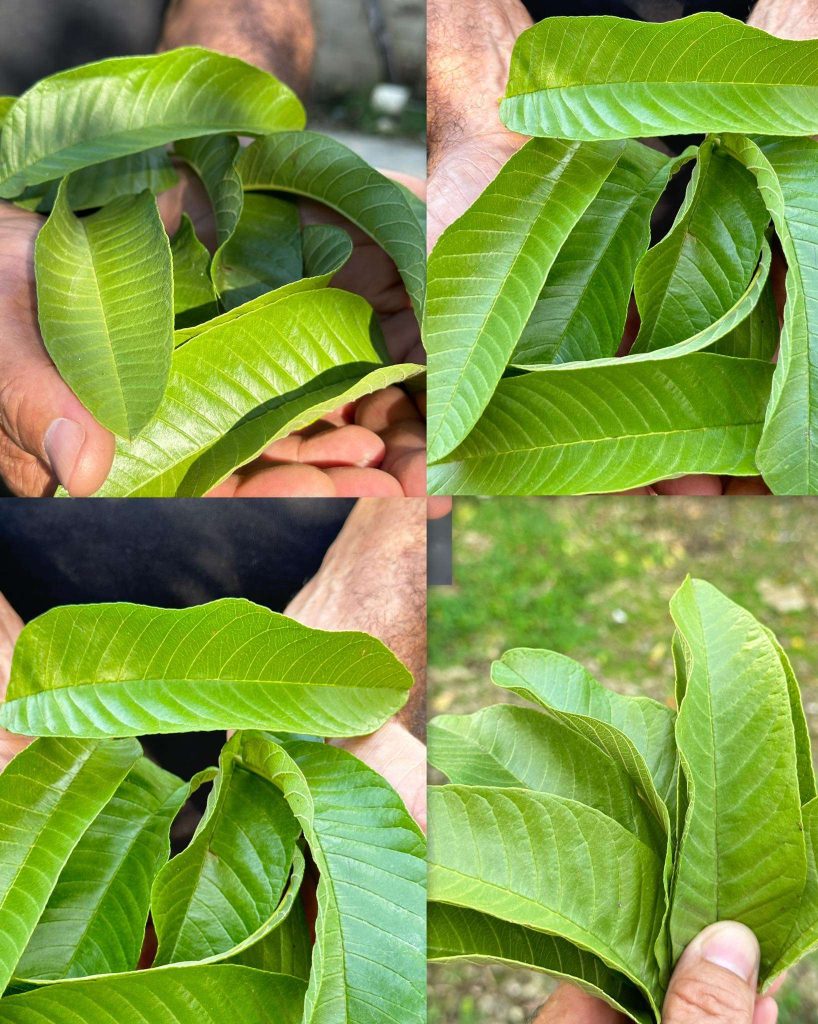
Guava leaves have been used for centuries in traditional medicine across Asia, Africa, and Latin America, yet their remarkable health benefits remain surprisingly underappreciated in the modern wellness world. While the fruit itself is a beloved tropical treat, the leaves are a powerhouse of bioactive compounds — including flavonoids, tannins, and essential oils — that offer everything from digestive support to blood sugar control. In this article, we will explore the most compelling scientific and anecdotal evidence behind guava leaves, providing you with practical, actionable advice on how to incorporate them into your daily routine. Whether you brew them as a tea, apply them topically, or use them in a rinse, these humble leaves deserve a spot in your natural medicine cabinet. Let’s dive in. 🌿
Nutritional Profile and Antioxidant Power 💊
Guava leaves are rich in vitamin C, vitamin B complex, and potassium, but their most impressive feature is an exceptionally high concentration of antioxidants — particularly quercetin, lycopene, and vitamin E. These compounds work together to neutralize free radicals, reduce oxidative stress, and slow down the aging process at the cellular level. Studies have shown that guava leaf extract can significantly increase the activity of antioxidant enzymes in the body, which may help prevent chronic diseases such as heart disease and certain cancers. Pro tip: For maximum antioxidant benefits, opt for fresh leaves or a high-quality, standardized extract rather than heavily processed products.
- 🌱 Key Takeaway: A single cup of guava leaf tea can deliver more antioxidants than many green teas, making it an excellent daily beverage.
Digestive Health and Diarrhea Relief 🩺
One of the best‑documented uses of guava leaves is for gastrointestinal issues. The leaves contain tannins — astringent compounds that can help tighten and tone the intestinal lining, reducing the excretion of fluids during diarrhea. A 2019 systematic review published in the Journal of Ethnopharmacology confirmed that guava leaf extracts are effective against both bacterial and viral causes of diarrhea, including E. coli and rotavirus. Additionally, the leaves have antispasmodic properties that can ease stomach cramps and bloating. To use, boil 5‑6 fresh or dried guava leaves in 2 cups of water for 10 minutes, strain, and drink twice daily. ⚠️ Important: If symptoms persist for more than 48 hours, consult a healthcare professional.
- 🍵 How to prepare: Simmer leaves, not boil vigorously, to preserve active compounds.
- 💡 Bonus: The same tea can also help alleviate nausea and indigestion after heavy meals.
Blood Sugar Regulation 🩸
For individuals managing type 2 diabetes or prediabetes, guava leaves offer a natural, science‑backed approach to improving glycemic control. The leaves contain polysaccharides and flavonoids that inhibit the activity of alpha‑glucosidase, an enzyme responsible for breaking down carbohydrates into glucose. By slowing carbohydrate digestion, guava leaf tea can reduce post‑meal blood sugar spikes. A 2020 randomized controlled trial showed that participants who consumed guava leaf extract for 12 weeks experienced a 10‑15% reduction in fasting blood glucose and a significant improvement in insulin sensitivity. Practical advice: Drink one cup of guava leaf tea 30 minutes before your largest meal of the day. However, if you are already on diabetes medication, monitor your levels closely and discuss with your doctor to avoid hypoglycemia.
- 🌿 Mechanism: The leaves help the body use insulin more efficiently, not just reduce sugar absorption.
- 📊 Evidence: Over 15 clinical studies support these effects, making guava leaves one of the most researched herbal remedies for diabetes.
Weight Loss Support 🏋️
Guava leaves can be a valuable ally in a weight management journey, not as a magic bullet but as part of a balanced lifestyle. The leaves are low in calories and have a high water content when brewed as tea. More importantly, they contain compounds that inhibit the conversion of complex carbohydrates into glucose, which can reduce fat storage. Additionally, the leaves’ fiber‑like action promotes a feeling of fullness, curbing cravings and mindless snacking. To maximize this effect, try drinking a cup of guava leaf tea between meals — it is naturally caffeine‑free, so it won’t disrupt your sleep. 🌟 Pro tip: Combine with a 20‑minute walk after dinner to boost metabolism further.
- ⚠️ Caution: Do not replace meals with tea; use it as a supplement to a nutrient‑dense diet.
- 📈 Expected results: Most users report 1‑3 pounds of additional weight loss per month when used consistently alongside a healthy diet.
Skin and Hair Care 🧴
Guava leaves are a hidden gem in natural cosmetics. Their antibacterial and anti‑inflammatory properties make them effective for treating acne, reducing redness, and promoting wound healing. The leaves also contain vitamin C and lycopene, which help brighten skin tone and protect against UV damage. For a simple homemade toner, boil a handful of fresh leaves in water, let it cool, and apply to the face with a cotton ball twice daily. For hair care, a guava leaf rinse can strengthen hair follicles, reduce dandruff, and add shine. Crush a few leaves into a paste, mix with coconut oil, and massage into the scalp for 10 minutes before shampooing. Note: Always do a patch test to rule out allergic reactions.
- 💁 Benefits for hair: Rich in vitamin B complex, which is essential for hair growth and scalp health.
- 🌿 DIY mask: Combine powdered leaves with aloe vera gel for a calming face mask suitable for sensitive skin.
Oral Health Benefits 🦷
Guava leaves have long been used as a natural remedy for oral hygiene. The leaves’ antibacterial and anti‑plaque properties can help reduce gum inflammation, fight bad breath, and prevent cavities. A study in the Journal of Clinical and Diagnostic Research found that a mouthwash made from guava leaf extract was as effective as chlorhexidine‑based mouthwashes in reducing plaque and gingivitis, without the side effects of staining or altered taste. To make your own, steep 4‑5 leaves in boiling water for 15 minutes, strain, and use as a mouthwash after brushing. ⚠️ Important: Do not swallow; use only for rinsing.
- 🦷 Practical tip: Chewing on a fresh guava leaf can also alleviate toothache temporarily, thanks to its mild analgesic properties.
- 📊 Clinical data: Over 80% of participants in the study showed a 30‑50% reduction in gingival bleeding after 4 weeks of use.
Anti‑Inflammatory and Antimicrobial Properties 🛡️
Beyond specific conditions, guava leaves exhibit broad‑spectrum antimicrobial activity against a range of pathogens, including Staphylococcus aureus, Escherichia coli, and even Candida albicans. This makes them useful for minor wound care, insect bites, and skin infections. The leaves’ anti‑inflammatory effects are largely due to the presence of flavonoids like quercetin, which can reduce the production of pro‑inflammatory cytokines. For external use, crush fresh leaves into a paste and apply directly to affected areas for 15‑20 minutes. For internal inflammation (e.g., joint pain), drinking 2‑3 cups of tea daily may help, though evidence is still emerging. 🔬 Research note: A 2021 study demonstrated that guava leaf extract significantly inhibited the growth of antibiotic‑resistant bacteria, highlighting its potential in the era of antimicrobial resistance.
- 🌿 When to use: Perfect for mild skin irritations, razor burns, or as a gargle for sore throats.
- ➡️ Caution: Do not use on open wounds without diluting, as the astringent tannins can cause stinging.
Conclusion 💚
Guava leaves are far more than a byproduct of a delicious fruit — they are a versatile, science‑validated natural remedy that can support your digestive health, blood sugar balance, weight management, and even enhance your skin, hair, and oral hygiene. Rich in antioxidants, antibacterial compounds, and anti‑inflammatory agents, these leaves offer a gentle but effective way to address common health concerns without relying solely on pharmaceuticals. While more research is still needed on certain applications (such as liver protection or cancer prevention), the existing evidence is compelling enough to make them a valuable addition to your wellness routine.
Start simple: brew a cup of guava leaf tea today, or try a topical rinse for your skin or hair. Consistency is key — most benefits become noticeable after 2‑4 weeks of regular use. Always source leaves from clean, organic environments (or buy high‑quality dried leaves online). And as with any natural supplement, consult with a healthcare provider if you have underlying health conditions or are pregnant. The humble guava leaf may be small, but its impact on your health can be surprisingly large. Embrace nature’s wisdom — your body will thank you. 🍃🌿
Deja una respuesta