Benefits of Guava Leaves
 Espanol
Guava leaves are far more than just a byproduct of enjoying the fruit. Packed with antioxidants, anti-inflammatory compounds, and antimicrobial agents, they have been used for centuries in traditional medicine across Asia, the Caribbean, and South America. Modern research now confirms what grandmothers have long known: these humble leaves offer a surprising range of health and wellness benefits. In this article, we will explore the scientifically backed advantages of guava leaves, from digestive support to hair care, and provide practical tips on how to incorporate them into your daily routine. Let us unlock the hidden power of this natural treasure. 🌿🍃
Espanol
Why Guava Leaves Deserve a Place in Your Wellness Arsenal
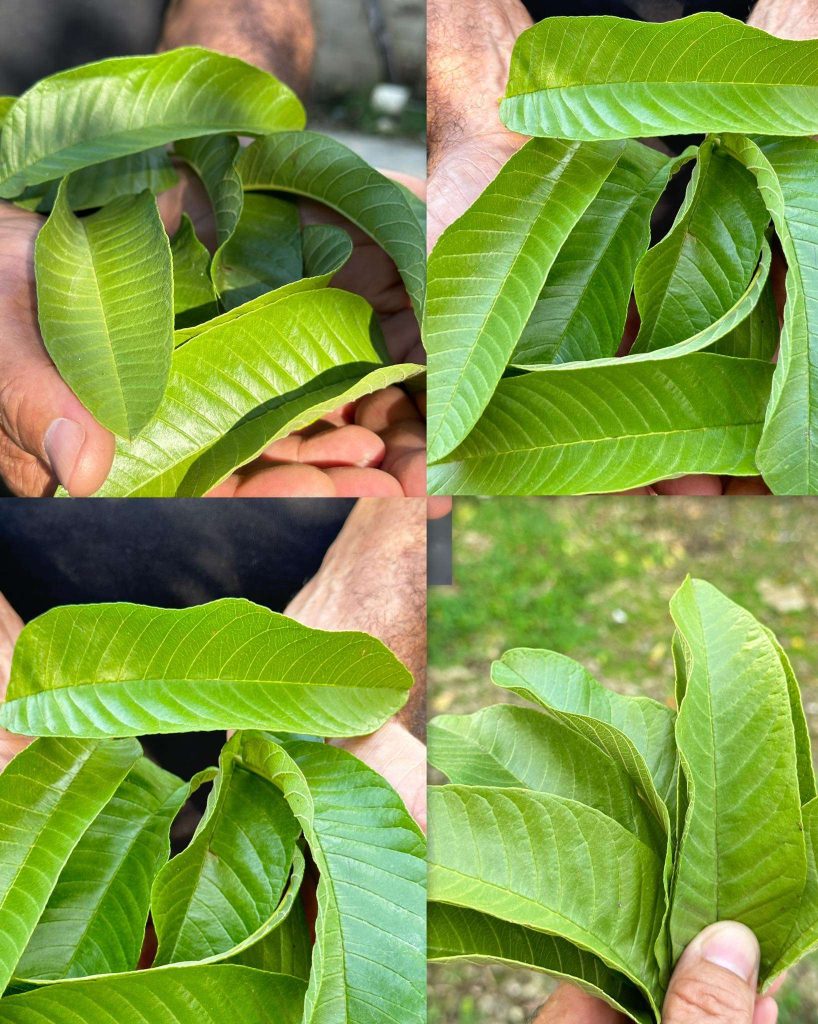
Guava leaves (Psidium guajava) contain high levels of flavonoids, tannins, and essential oils that give them potent medicinal properties. Unlike the fruit, which is sweet and popular, the leaves are often overlooked despite being richer in certain antioxidants. For example, guava leaves have been shown to contain up to five times more vitamin C than the fruit itself. They also possess quercetin, a compound known for its powerful antihistamine and anti-inflammatory effects. Whether you are dealing with digestive distress, skin issues, or simply looking for a natural immune booster, guava leaves can be a versatile ally. 🌱
🍽️ Digestive Health: The Traditional and Scientifically Proven Benefits
One of the most celebrated uses of guava leaves is for gut health. A common folk remedy for diarrhea, stomach aches, and even food poisoning, the leaves work by reducing intestinal spasms and inhibiting the growth of harmful bacteria. Research published in the Journal of Ethnopharmacology highlights that guava leaf extract effectively reduces the duration and severity of diarrhea caused by bacteria like E. coli and Salmonella. The tannins in the leaves also create a protective layer on the intestinal mucosa, soothing inflammation and promoting healing. 🩺
Practical tip: Steep 5–7 fresh or dried guava leaves in a cup of boiling water for 10 minutes, strain, and drink the tea once or twice daily. For acute diarrhea, start with smaller sips every hour. Avoid overconsumption, as excessive tannins can cause constipation. 🫖
💪 Blood Sugar Regulation: A Natural Aid for Diabetics
Guava leaves may also help manage blood glucose levels. Several studies indicate that compounds in the leaves inhibit the absorption of sucrose and maltose, slowing the spike in blood sugar after meals. A 2010 study in Nutrition and Metabolism found that participants who consumed guava leaf tea before a meal had significantly lower post-meal blood sugar levels compared to those who drank plain water. This effect is particularly promising for individuals with type 2 diabetes or prediabetes. 🩸
How to use: Drink unsweetened guava leaf tea twice a day – once in the morning on an empty stomach and once before dinner. Always consult your doctor before adding any herbal remedy to your diabetes management plan. 📋
🧴 Skin and Hair Care: From Acne to Hair Loss
The antibacterial and anti-inflammatory properties of guava leaves make them excellent for topical applications. Crushed fresh leaves can be applied as a poultice to acne, wounds, or insect bites to reduce swelling and prevent infection. The astringent nature of the leaves helps tighten skin pores and control excess oil production. For hair care, a rinse made from boiled guava leaves can strengthen hair follicles, reduce dandruff, and even slow premature graying thanks to its rich antioxidant profile. 💇♂️✨
DIY guava leaf hair rinse: Boil a handful of fresh leaves in 2 cups of water for 15 minutes. Let it cool, strain, and use as a final rinse after shampooing. Massage into your scalp and leave for 5 minutes before rinsing with plain water. Repeat 2–3 times a week for best results. 🧴
🦠 Immune System Boost and Antimicrobial Action
Guava leaves are natural warriors against pathogens. They contain compounds that inhibit the growth of many bacteria, fungi, and even viruses. A study from the Asian Pacific Journal of Tropical Biomedicine showed that guava leaf extract was effective against common infection-causing organisms such as Staphylococcus aureus and Candida albicans. This antimicrobial property supports your immune system and helps prevent common ailments like colds, sore throats, and gum infections. 🦷
Simple immune tea: Combine guava leaves with ginger and a pinch of turmeric for a warming, immunity-boosting drink. Drink it when you feel a cold coming on. 🍋🧣
❤️ Cardiovascular and Cholesterol Benefits
Emerging evidence suggests guava leaves may improve heart health by lowering LDL (bad) cholesterol and triglycerides while raising HDL (good) cholesterol. The leaves are rich in soluble fiber and antioxidants that help reduce the absorption of cholesterol in the gut. Animal studies have recorded a significant drop in blood pressure and total cholesterol levels after regular administration of guava leaf extract. While human trials are still limited, the initial findings are promising. ❤️🩺
Practical incorporation: Replace your usual caffeinated tea with guava leaf tea a few times a week. Combine with a balanced diet low in saturated fats and rich in whole grains for synergistic effects. 💚
🌿 How to Source, Store, and Prepare Guava Leaves
You can obtain guava leaves from your own guava tree (if you live in a warm climate) or purchase dried leaves from health food stores or online herbal shops. Fresh leaves are more potent but must be used within a few days; dried leaves can be stored in an airtight container away from sunlight for up to a year. To make the best tea, crush the leaves slightly before steeping to release the essential oils. For topical use, always wash fresh leaves thoroughly to remove dirt and pesticides. 🔎🍂
Pro tip: If you have a guava tree, harvest leaves in the morning after the dew has dried – this is when the active compounds are most concentrated. Dry them in a shaded, well-ventilated area. 🌞
⚠️ Precautions and Considerations
While guava leaves are generally safe for most people, they should be used with care. Pregnant and breastfeeding women should avoid concentrated extracts and consult a healthcare provider before using guava leaf tea regularly. The high tannin content can interfere with the absorption of iron and other minerals if consumed in large amounts over long periods. Start with small doses to see how your body reacts, and never use guava leaf products as a substitute for prescribed medication. If you experience any allergic reaction or digestive upset, discontinue use immediately. ⚠️🩹
Conclusion: Embrace the Leaf, Reap the Rewards
Guava leaves are a prime example of nature’s pharmacy hiding in plain sight. From soothing your stomach and balancing your blood sugar to revitalizing your skin and protecting your heart, these unassuming leaves offer an array of benefits backed by both tradition and science. By incorporating them into your daily life – through tea, topical applications, or even as an ingredient in your cooking (yes, they can be used to infuse flavor!) – you can tap into a holistic approach to wellness. 🌟
Remember, consistency is key. Just like any natural remedy, guava leaves work best as part of a balanced, healthy lifestyle. Start small, listen to your body, and enjoy the process of discovering what works for you. Now it is your turn: brew a cup of guava leaf tea, try a hair rinse, or simply share this knowledge with someone who could benefit from it. Your health journey just got a little greener. 🍃💚
Deja una respuesta