BENEFITS OF GUAVA LEAVES
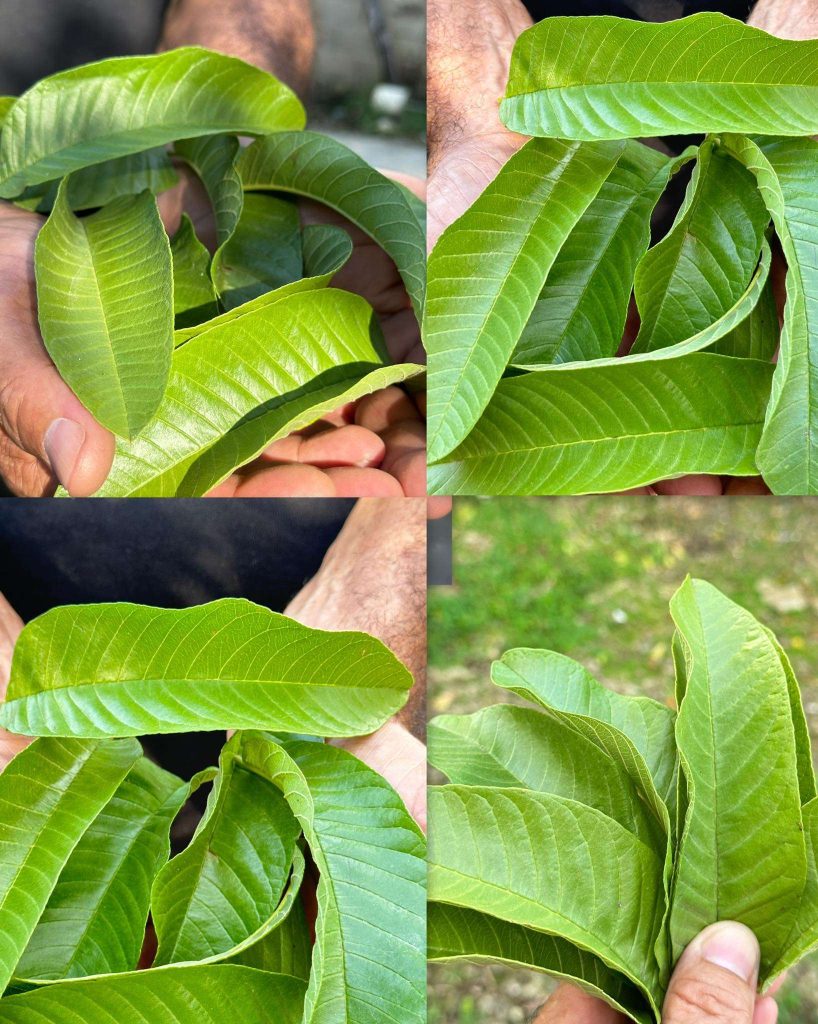
Introduction: Why Guava Leaves Deserve a Place in Your Wellness Routine 🍃
 Espanol
When we think of guava, the sweet, fragrant fruit often comes to mind. But did you know that the leaves of this tropical plant are packed with powerful compounds that can transform your health? For centuries, traditional medicine systems across Asia, Africa, and Latin America have used guava leaves to treat everything from digestive issues to skin infections. Modern science is now catching up, confirming what our ancestors knew all along: guava leaves are a natural treasure worth exploring. In this article, we will dive deep into the remarkable benefits of guava leaves, backed by research and practical advice. Whether you are looking to improve your digestion, manage blood sugar, or enhance your skin, these leaves might just be the missing piece in your health puzzle. 🌿
Espanol
What Makes Guava Leaves So Powerful? The Nutritional Profile 🧪
Guava leaves are not just ordinary foliage. They contain a rich cocktail of bioactive compounds that work synergistically to promote well-being. Key components include:
- Flavonoids like quercetin and kaempferol, which are potent antioxidants that fight free radicals and reduce inflammation.
- Tannins such as ellagic acid, which have astringent properties that help tighten tissues and stop diarrhea.
- Essential oils containing limonene and caryophyllene, known for their antimicrobial and antifungal effects.
- Vitamin C in higher concentrations than in the fruit itself, boosting immunity and collagen production.
- Polyphenols that support heart health and blood sugar regulation.
This unique combination makes guava leaves a versatile remedy. One of the most studied benefits is their ability to reduce oxidative stress, which is linked to aging and chronic diseases. Drinking guava leaf tea regularly can provide a steady stream of these protective compounds. ☕
Top Health Benefits of Guava Leaves 🌟
1. Digestive Health: A Natural Remedy for Stomach Issues 🩺
Perhaps the most famous use of guava leaves is for digestive problems. The leaves contain high levels of tannins, which have astringent properties that can help stop diarrhea and reduce intestinal inflammation. A 2010 study published in the Journal of Ethnopharmacology found that guava leaf extract effectively inhibited the growth of bacteria causing diarrhea, including Staphylococcus aureus and Escherichia coli. Additionally, the leaves can soothe an upset stomach, reduce bloating, and even help with food poisoning. To use, simply boil a handful of fresh or dried leaves in water for 10 minutes, strain, and drink the tea two to three times a day. 🍵
2. Blood Sugar Control: A Support for Diabetes Management 💉
If you are managing type 2 diabetes or prediabetes, guava leaves may be a valuable addition to your diet. Research indicates that compounds in the leaves can inhibit the absorption of two types of sugars—sucrose and maltose—by blocking alpha-glucosidase enzymes. This helps prevent blood sugar spikes after meals. A 2011 study in Nutrition and Metabolism showed that guava leaf tea significantly lowered post-meal blood glucose levels in participants. For best results, drink unsweetened guava leaf tea after meals. However, always consult your doctor before using it alongside diabetes medications. 🩸
3. Oral Health: Fight Plaque, Gingivitis, and Bad Breath 🦷
Guava leaves are a natural mouthwash in many tropical cultures. Their antimicrobial and anti-inflammatory properties make them effective against oral pathogens. Chewing fresh leaves or using a decoction as a mouth rinse can reduce plaque buildup, soothe gum inflammation, and combat halitosis. A 2008 study found that guava leaf extract was as effective as chlorhexidine (a common antiseptic) in reducing oral bacteria without the side effects. For a simple homemade mouthwash, boil leaves in water, let it cool, and swish for 30 seconds after brushing. ✨
4. Skin Health: Acne, Wounds, and Anti-Aging 🌸
The antioxidants and antibacterial compounds in guava leaves make them excellent for skin care. Applying crushed guava leaves or a paste can help treat acne by killing bacteria and reducing redness. The vitamin C content also promotes collagen synthesis, aiding in wound healing and reducing fine lines. For a DIY face mask, grind fresh leaves with a little water into a paste, apply to the face, leave for 15 minutes, then rinse. You can also use guava leaf tea as a toner to tighten pores and refresh the skin. 💆♀️
5. Weight Loss: Boost Metabolism and Curb Cravings 🏋️
Guava leaves can support weight loss efforts by preventing the conversion of complex carbohydrates into sugars. This means less fat storage. Additionally, the tea has a mild diuretic effect, helping reduce water retention. Drinking guava leaf tea before meals can also promote a feeling of fullness, leading to reduced calorie intake. Combined with a balanced diet and exercise, it can be a helpful tool. Remember that guava leaf tea is not a magic bullet—it works best as part of a healthy lifestyle. 🔥
6. Heart Health: Lower Cholesterol and Blood Pressure ❤️
Preliminary studies suggest that guava leaves may improve heart health by reducing LDL ("bad") cholesterol and triglycerides while increasing HDL ("good") cholesterol. The flavonoids also help relax blood vessels, which can lower blood pressure. A 2017 animal study showed that guava leaf extract reduced cholesterol levels in rats on a high-fat diet. While human studies are needed, adding guava leaf tea to your routine is a safe way to support cardiovascular wellness. 🫀
7. Immune System Boost: Fight Off Infections 🛡️
Thanks to its high vitamin C and antimicrobial content, guava leaves can help your body fight common infections like colds, coughs, and flu. Drinking warm guava leaf tea when you feel a scratchy throat may reduce the severity of symptoms. The leaves also have anti-allergic properties, which can help with seasonal allergies by reducing histamine release. 🌿
How to Incorporate Guava Leaves into Your Daily Life ☕
There are several simple ways to enjoy the benefits:
- Guava Leaf Tea: The most common method. Steep 5–10 fresh or dried leaves in a cup of boiling water for 10 minutes. Strain and drink. Add a slice of lemon or a dash of honey if desired (but avoid sugar if using for blood sugar control).
- Powdered Form: Dry the leaves, grind them into a powder, and add to smoothies or sprinkle on food. Start with half a teaspoon per day.
- Topical Paste: Crush fresh leaves with a little water to make a paste for acne, wounds, or insect bites.
- Mouthwash: Brew a strong tea and use it as a rinse after brushing.
- Essential Oil (available in stores): Dilute with a carrier oil for massage or skin application.
Remember to source pesticide-free leaves if possible. You can find fresh leaves at Asian or Latin markets, or grow your own guava tree in warm climates. Dried leaves are also widely available in health food stores or online.
Precautions and Possible Side Effects ⚠️
While guava leaves are generally safe for most people, there are a few considerations:
- Pregnancy and breastfeeding: Limited research exists, so it is best to avoid concentrated extracts or large amounts. Occasional tea is likely fine, but consult your doctor.
- Diabetes medication: Because guava leaves can lower blood sugar, monitor levels carefully if you are on medication to avoid hypoglycemia.
- Allergic reactions: Rare but possible. Discontinue use if you experience rash or swelling.
- Digestive upset: Overconsumption of the tea may cause constipation due to the tannins. Stick to 2–3 cups per day.
Moderation is key. Always start with a small amount to see how your body reacts.
Conclusion: Unlock the Power of Guava Leaves 🌿
From digestive relief and blood sugar stabilization to glowing skin and a stronger immune system, guava leaves offer a wide range of health benefits that are both accessible and affordable. By incorporating guava leaf tea or topical applications into your daily routine, you can tap into centuries of traditional wisdom backed by modern science. Remember that natural remedies work best when combined with a balanced diet, regular exercise, and proper medical care. So why not give guava leaves a try? Brew a cup of tea, apply a soothing paste to your skin, or simply chew on a fresh leaf—your body will thank you. 🌱
Have you used guava leaves before? Share your experiences in the comments below, and don't forget to consult your healthcare provider before making significant changes to your health regimen. Here's to a healthier, more natural you! 🥂
Deja una respuesta