Benefits of Guava Leaves
 Espanol
Benefits of Guava Leaves
Espanol
🌿 Guava leaves are often overlooked in favor of the sweet fruit, but these humble green leaves pack a remarkable punch of health benefits. For centuries, traditional medicine systems across Asia, Africa, and Latin America have used guava leaves to treat everything from digestive troubles to wound infections. Modern science is now catching up, confirming many of these age-old uses. In this article, we’ll explore the science-backed advantages of guava leaves, how to prepare them safely, and practical ways to incorporate them into your daily wellness routine. Whether you are new to natural remedies or a seasoned advocate, this guide will provide you with valuable, actionable insights.
🌟 What Makes Guava Leaves So Powerful?
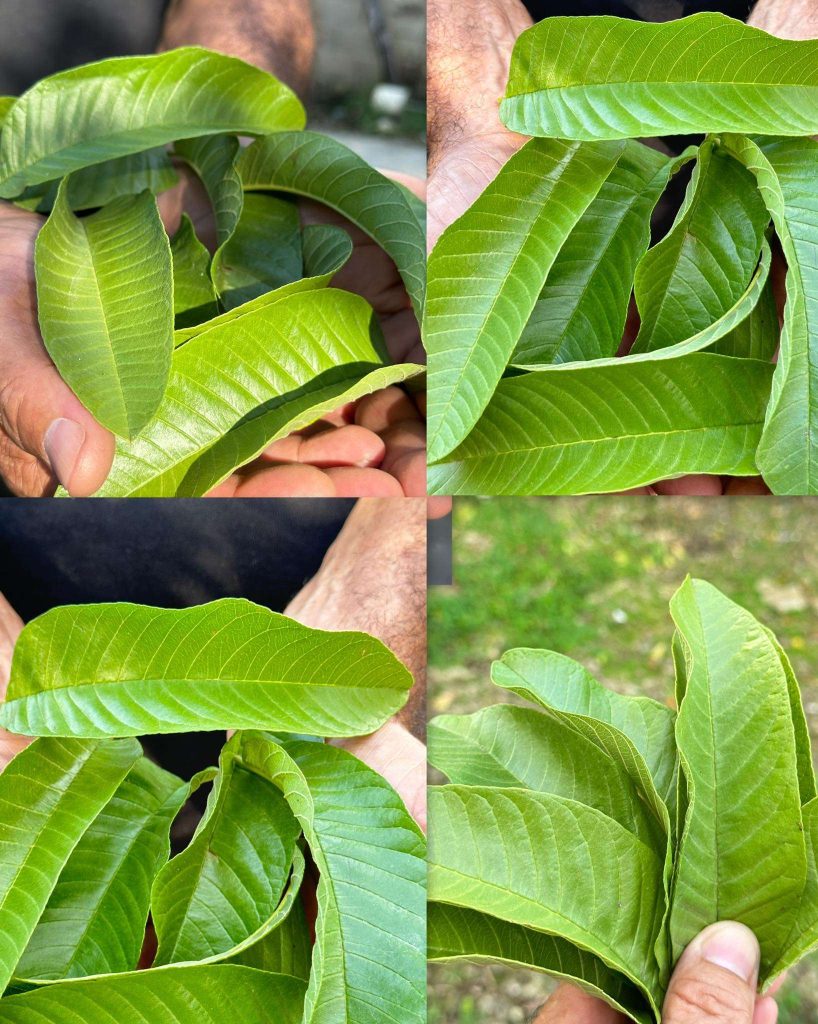
Guava leaves are rich in a unique combination of bioactive compounds. They contain high levels of antioxidants like vitamin C, flavonoids, quercetin, and lycopene. These compounds help neutralize free radicals in your body, reducing oxidative stress and inflammation. Additionally, guava leaves are a source of essential oils such as eugenol and myrcene, which contribute to their antimicrobial properties. The leaves also contain tannins, which are responsible for their astringent effect—useful for diarrhea and skin issues. Together, these components make guava leaves a versatile natural remedy for multiple conditions.
🧬 A single study published in the Journal of Ethnopharmacology highlighted that guava leaf extract showed stronger antioxidant activity than many commercial supplements. This means that consuming guava leaf tea or extract could be a simple, cost-effective way to boost your body’s defense mechanisms.
🍃 Digestive Health: Nature’s Soother for the Gut
One of the most well-known uses of guava leaves is for digestive support. The leaves have powerful antidiarrheal properties due to their high tannin content. Tannins help contract the mucous membranes in the intestines, reducing fluid loss and easing the frequency of loose stools. In fact, clinical trials have shown that guava leaf extract can shorten the duration of acute diarrhea in adults and children when used appropriately.
💡 Practical tip: To make a soothing tea, boil 5–8 fresh guava leaves in two cups of water for 10 minutes, then strain and drink warm. You can add a pinch of salt or a teaspoon of honey for taste. Drink 2–3 cups daily during episodes of diarrhea, but consult a doctor if symptoms persist beyond two days.
Beyond diarrhea, guava leaves may also help relieve stomach cramps, bloating, and indigestion. The anti-inflammatory compounds in the leaves can calm an irritated gut lining, making them a gentle remedy for conditions like Irritable Bowel Syndrome (IBS).
❤️ Cardiovascular Support: A Heart-Healthy Leaf
Your heart can benefit from guava leaves too. Research suggests that regular consumption of guava leaf tea may help lower “bad” LDL cholesterol and triglycerides while increasing “good” HDL cholesterol. A study in Nutrition & Metabolism found that participants who drank guava leaf tea for 8 weeks experienced a significant reduction in blood pressure and total cholesterol levels.
🫀 The mechanism behind this lies in the leaves’ ability to inhibit the absorption of dietary cholesterol and promote the excretion of bile acids. Additionally, the antioxidants in guava leaves protect blood vessels from oxidative damage, reducing the risk of atherosclerosis. For people with mild hypertension, adding a cup of guava leaf tea to your morning routine could be a natural complement to medication—always with your doctor’s approval.
🦠 Immune System & Antimicrobial Action
Guava leaves have been used as a natural antiseptic for wounds and infections. Laboratory studies confirm that guava leaf extracts can inhibit the growth of common pathogens like Staphylococcus aureus (responsible for skin infections) and Escherichia coli (a cause of food poisoning). The antibacterial effect is due to compounds like quercetin and eugenol, which disrupt bacterial cell walls.
🦷 For oral health, guava leaves can be chewed fresh or used as a mouthwash. The astringent and antimicrobial properties help reduce plaque, prevent gum inflammation, and fight bad breath. Try this: crush a few tender leaves, steep them in hot water for 5 minutes, cool the liquid, and use it as a gargle twice a day. You’ll notice a fresher feeling and less gum bleeding over time.
For skin care, you can apply a paste of crushed guava leaves directly onto minor cuts, insect bites, or acne spots. The leaves help reduce swelling and speed up healing due to their anti-inflammatory action.
🩸 Blood Sugar Management
Emerging evidence shows that guava leaves may assist in controlling blood glucose levels. Compounds in the leaves can inhibit two key enzymes involved in carbohydrate digestion—alpha-amylase and alpha-glucosidase—slowing down the release of sugar into the bloodstream. This makes guava leaf tea a potential ally for people with type 2 diabetes or prediabetes.
📊 A clinical trial published in Clinical Nutrition Research reported that drinking guava leaf tea after meals significantly reduced post-meal blood sugar spikes compared to a placebo. However, it’s important to note that guava leaf tea should not replace diabetes medications but may be used as a supportive measure under medical supervision. Always monitor your blood sugar levels closely when adding any new herb to your regimen.
🌿 How to Safely Use Guava Leaves
There are several ways to incorporate guava leaves into your routine. Here are the most common methods:
- Guava leaf tea: Steep 3–5 dried or fresh leaves in boiling water for 5–10 minutes. Drink 1–3 cups per day.
- Leaf powder: Dry the leaves and grind them into a powder. Add 1/2 teaspoon to smoothies or soups.
- Topical paste: Crush fresh leaves with a little water and apply to skin irritations.
- Mouthwash: Boil leaves, cool, and use as a gargle.
⚠️ Important safety considerations: Guava leaves are generally safe for most people, but avoid consuming excessive amounts (more than 4–5 cups of tea daily) as it may cause constipation due to the tannins. Pregnant or breastfeeding women should consult a healthcare provider before using guava leaf preparations. Also, if you have chronic health conditions or are taking medications, always talk to your doctor first to avoid potential interactions.
✨ Conclusion: Why Guava Leaves Deserve a Place in Your Wellness Kit
From soothing an upset stomach to supporting heart health and fighting germs, guava leaves are a remarkable natural resource that is affordable and easy to use. The scientific evidence backs up many traditional claims, making this leaf a credible addition to a holistic health routine. Whether you choose to enjoy it as a comforting cup of tea, a quick mouthwash, or a topical paste for the skin, guava leaves offer a gentle yet effective way to enhance your wellbeing. Start small—try a cup of guava leaf tea tomorrow morning—and observe how your body responds. Remember, natural remedies work best when combined with a balanced diet, regular exercise, and proper medical care. 🌱
Key takeaway: Guava leaves are not just a byproduct of the fruit; they are a powerhouse of antioxidants, antimicrobials, and digestive aids. Incorporate them wisely, and you may just discover a new favorite wellness tool.
Deja una respuesta