Benefits of Guava Leaves
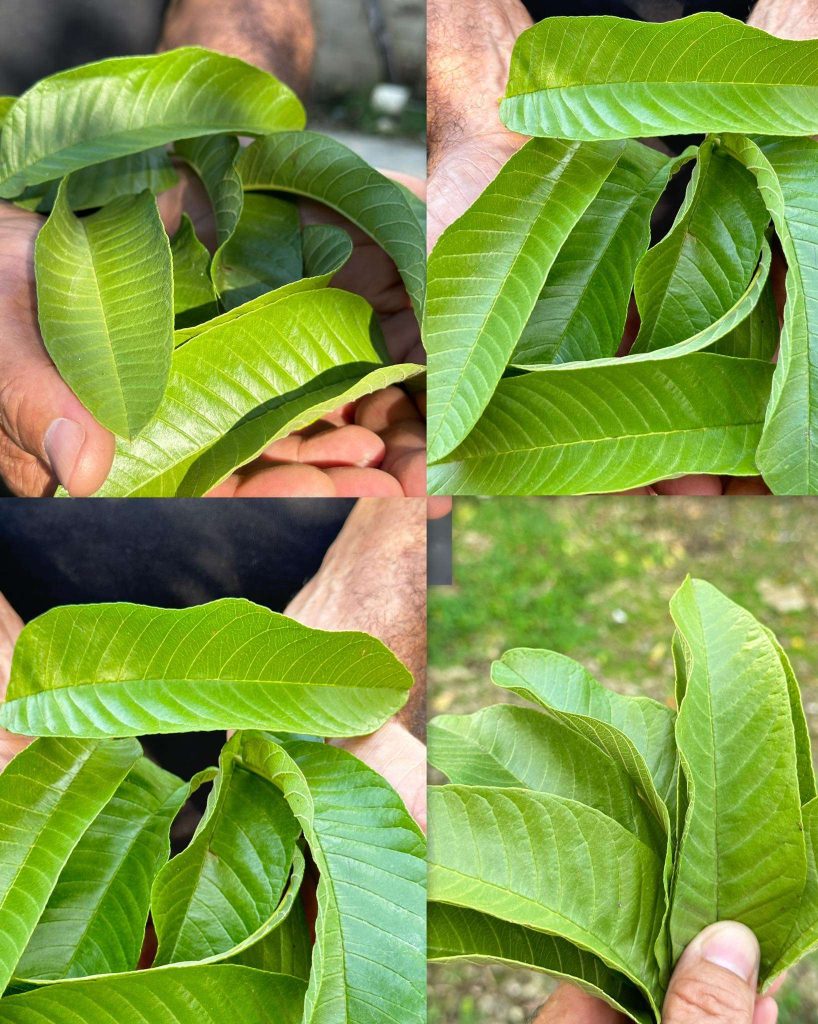
Unlocking Nature's Pharmacy: The Surprising Benefits of Guava Leaves 🍃
 Espanol
Often overshadowed by its sweet, pink-fleshed fruit, the humble guava tree (Psidium guajava) holds a secret in its foliage. While many enjoy the fruit and discard the leaves, a wealth of traditional wisdom and modern scientific research reveals that guava leaves are a powerhouse of nutrients and therapeutic compounds. This article delves beyond the surface to explore the impressive health, wellness, and practical benefits of guava leaves, transforming the way you view this common plant. From stabilizing blood sugar to enhancing skin radiance, discover how to harness the potential of these vibrant green leaves.
Espanol
Nutritional Powerhouse: What's Inside the Leaf? 🔬
Guava leaves are packed with a formidable array of bioactive substances. They are exceptionally rich in antioxidants like quercetin and flavonoids, which combat oxidative stress and inflammation in the body. They also contain potent anti-inflammatory agents, antibacterial compounds, and essential vitamins such as Vitamin C and Vitamin B complex (Niacin). Furthermore, they offer valuable minerals like iron, magnesium, and potassium. This unique composition is the foundation for their wide-ranging health applications, making them more than just tree debris.
Blood Sugar Regulation and Diabetes Support 🩺
One of the most celebrated benefits of guava leaves is their positive impact on blood glucose levels. Studies suggest that compounds in the leaves can inhibit the absorption of certain types of sugars in the blood, such as maltose and sucrose. Drinking guava leaf tea after meals may help prevent blood sugar spikes. For individuals with prediabetes or type 2 diabetes, incorporating this tea (under medical guidance) can be a supportive natural strategy alongside a balanced diet and exercise. The leaves may also improve insulin sensitivity, offering a multi-faceted approach to metabolic health.
Digestive Health and Weight Management 🤲
Guava leaves have been used for centuries to address a variety of digestive ailments. Their antibacterial properties can help combat harmful gut bacteria like Salmonella and E. coli, potentially reducing the risk of food poisoning and acute diarrhea. Moreover, the high fiber content and compounds in the leaves aid in promoting healthy bowel movements and alleviating constipation. For those focusing on weight management, guava leaf tea can be beneficial because it prevents complex carbohydrates from converting into sugars, thus reducing cravings and supporting a feeling of fullness.
Skin and Hair Elixir ✨
Your skincare and haircare routine can get a natural boost from guava leaves. Thanks to their antimicrobial and anti-inflammatory qualities, a topical paste or wash made from boiled leaves can effectively treat acne, reduce redness, and speed up the healing of wounds and blackheads. The antioxidants also fight free radicals, slowing down skin aging and improving elasticity. For hair, rinsing with cooled guava leaf tea can strengthen hair follicles, reduce hair fall, and combat dandruff. For a quick skin treatment, crush fresh leaves into a paste with a little water and apply to affected areas for 15 minutes.
Heart Health and Cholesterol Control ❤️
Supporting cardiovascular wellness is another key benefit. The leaves can help lower "bad" LDL cholesterol and triglycerides while maintaining "good" HDL cholesterol. This effect, combined with their antihypertensive potential, contributes to reduced strain on the heart and lower risks of atherosclerosis and stroke. The potassium in the leaves also helps regulate blood pressure by counteracting the effects of sodium and easing tension in the blood vessel walls.
Immunity Boost and Anti-Cancer Potential 🛡️
The high concentration of Vitamin C in guava leaves plays a vital role in strengthening the immune system, helping the body fend off common infections like colds and flu. More significantly, the potent antioxidant lycopene and other compounds are being studied for their chemopreventive properties. Research indicates that guava leaf extract may inhibit the growth of various cancer cells, including prostate and gastric cancers, by inducing apoptosis (programmed cell death) and preventing metastasis. While not a cure, it represents a promising area of nutritional preventive care.
Practical Tips: How to Use Guava Leaves 🍵
Incorporating guava leaves into your daily life is simple and cost-effective. The most common method is to prepare a tea:
- Wash 5-10 fresh, organic guava leaves thoroughly.
- Boil them in 1 liter of water for about 10 minutes.
- Strain the liquid and enjoy it warm or cold. You can add a dash of honey or lemon for taste.
You can also find dried leaves and powdered supplements. For topical use, create a decoction for washing skin or hair, or make a fresh poultice. Always start with a small amount to test for any allergic reactions. It is also crucial to consult with a healthcare professional before using it for therapeutic purposes, especially if you are pregnant, nursing, or on medication.
Conclusion: A Leaf of Great Worth 🌿
From regulating metabolism and bolstering heart health to nurturing skin and hair, guava leaves prove to be an exceptionally versatile and valuable natural remedy. This exploration moves beyond the fruit to appreciate the full spectrum of wellness offered by the guava tree. While they are not a magic bullet or a substitute for professional medical advice, integrating guava leaves into a holistic health regimen can provide substantial supportive benefits. We encourage you to explore this natural gift—brew a cup of guava leaf tea, try a skin mask, and experience firsthand the ancient wisdom encapsulated in these vibrant green leaves. Your journey to natural wellness might just begin with a single leaf.
Deja una respuesta