Benefits of Guava Leaves
 Espanol
Espanol
Discover the Remarkable Health Benefits of Guava Leaves 🌿
Often overshadowed by the delicious guava fruit itself, the humble guava leaf is a powerhouse of wellness hiding in plain sight. For centuries, traditional medicine systems across the tropics have harnessed its potent properties. Modern science is now catching up, validating what many cultures have long known. This article delves deep into the impressive health benefits of guava leaves, offering you a comprehensive guide to their uses, backed by both tradition and emerging research. Get ready to explore how this simple leaf can become a valuable addition to your natural health toolkit.
Nutritional Profile and Key Compounds 🔬
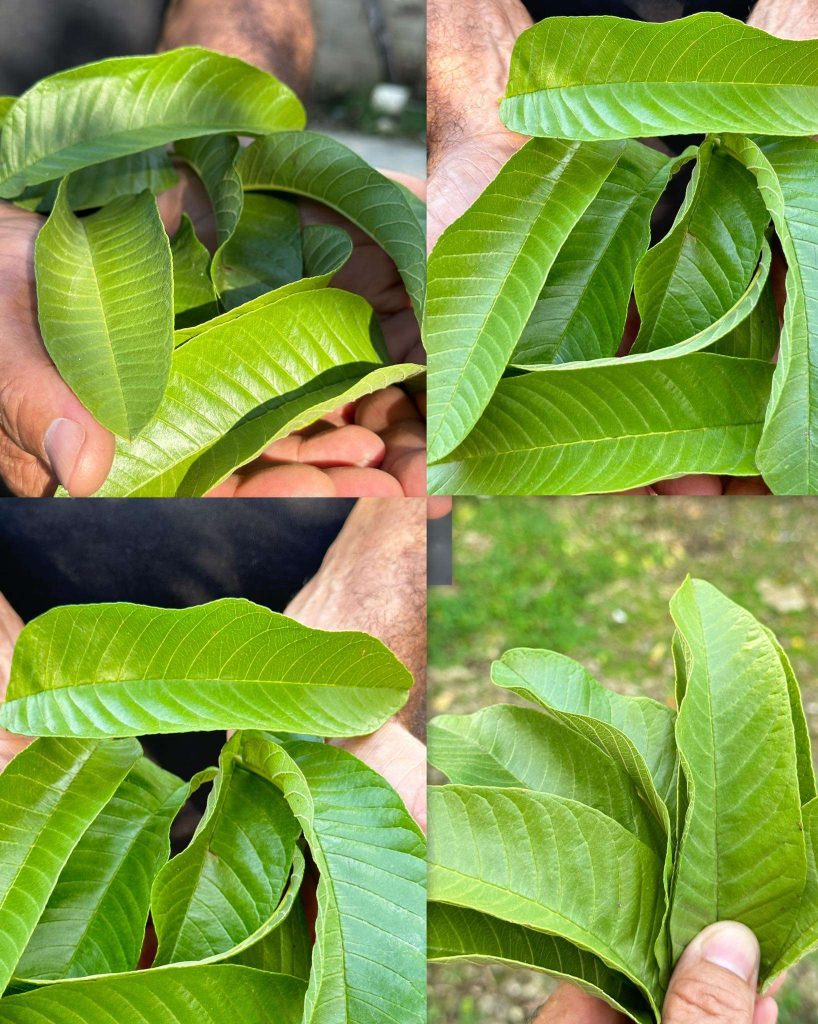
Guava leaves (Psidium guajava) are rich in a symphony of bioactive compounds that drive their therapeutic effects. They are an excellent source of antioxidants, particularly flavonoids like quercetin and vitamin C, which combat oxidative stress and cellular damage. Furthermore, they contain potent anti-inflammatory agents such as guajaverin and essential oils with antimicrobial properties. The leaves are also packed with beneficial tannins, and trace minerals like zinc and potassium. This unique composition is the foundation for the wide array of health benefits we will explore next.
Top Health Benefits and Practical Applications
The applications of guava leaves are surprisingly diverse, addressing everything from metabolic health to skincare. Below are some of the most well-regarded benefits.
1. Blood Sugar Regulation: One of the most celebrated benefits is their potential to help manage blood glucose levels. Compounds in the leaf inhibit the absorption of certain types of sugars in the intestine. Practical Tip: Drinking a cup of guava leaf tea after meals may help mitigate blood sugar spikes. However, it should complement, not replace, medical advice for diabetes. 🩺
2. Digestive Health Champion: Thanks to their antimicrobial and anti-inflammatory properties, guava leaf tea is a superb remedy for upset stomachs, diarrhea, and food poisoning. The tannins have a mild constricting effect that can reduce symptoms. A warm cup can soothe digestive discomfort effectively. 🤢➡️😊
3. Heart Health Support: Regular consumption of guava leaf extract has been linked to improved cardiovascular markers. It may help lower "bad" LDL cholesterol and triglycerides while supporting "good" HDL cholesterol, largely due to its high antioxidant content which prevents the oxidation of cholesterol—a key step in plaque formation.
4. Skin and Hair Elixir: Applied topically, guava leaf paste or rinse can work wonders. Its antimicrobial nature helps fight acne-causing bacteria, and its anti-inflammatory properties reduce redness. For hair, a cooled tea rinse can combat dandruff, strengthen hair follicles, and potentially slow hair loss. 🧖♀️✨
5. Natural Anti-Cancer Potential: While research is in preliminary stages (primarily in test tubes and animals), the high concentration of the antioxidant lycopene and other compounds in guava leaves has shown promise in inhibiting the growth of various cancer cells. This highlights its role as a powerful preventive dietary agent.
How to Use Guava Leaves: Simple Preparation Methods 🍵
Integrating guava leaves into your routine is straightforward. The most common method is as a tea:
- For Tea: Rinse 5-7 fresh, organic leaves (or use 1 tablespoon of dried leaves). Boil them in 1 liter of water for about 10 minutes. Strain and enjoy warm or cold. You can add honey or lemon for taste.
- Topical Use: For skin, crush fresh leaves into a paste with a little water and apply to affected areas. For a hair rinse, follow the tea preparation method, let it cool, and use it as a final rinse after shampooing.
- Extract and Supplements: Commercially available guava leaf extract capsules offer a concentrated dose. Always consult a healthcare provider before starting any new supplement regimen.
Important Precautions and Considerations ⚠️
While generally safe for most people, guava leaves are potent. Pregnant and breastfeeding women should avoid therapeutic doses due to a lack of sufficient safety data. As they can affect blood sugar, individuals on diabetes medication must monitor their levels closely to avoid hypoglycemia. Similarly, those scheduled for surgery should discontinue use at least two weeks prior due to its blood sugar-lowering effects. When in doubt, professional medical guidance is key.
Conclusion: A Leaf Worth Exploring
From supporting metabolic and heart health to enhancing your skin and hair naturally, guava leaves offer a remarkable, multi-faceted approach to well-being. 🌱 Their strength lies in the powerful synergy of antioxidants, anti-inflammatory, and antimicrobial compounds. While they are not a magic cure-all, incorporating guava leaf tea or topical treatments can be a simple, effective step toward a more natural health strategy. Remember, the goal is to use them as a complementary practice within a balanced lifestyle. Why not brew a cup today and experience the traditional wisdom of this incredible leaf for yourself? Your journey to discovering nature's pharmacy might just begin with a single leaf.
Deja una respuesta