BENEFITS OF GUAVA LEAVES
 Espanol
Espanol
Discover the Remarkable Power of Nature: An Introduction to Guava Leaves 🍃
Often overshadowed by the sweet, pink-fleshed fruit they accompany, guava leaves are a hidden gem in the world of natural wellness. While you might be familiar with the delicious guava fruit, its leaves harbor a potent concentration of bioactive compounds that have been celebrated in traditional medicine for centuries. From aiding digestion to supporting blood sugar balance, the humble guava leaf offers a plethora of health benefits that are now being validated by modern science. This article will delve deep into the science and practical applications of guava leaves, transforming this common foliage from a simple garden feature into a powerful ally for your health. Let's explore the compelling reasons to incorporate guava leaves into your wellness routine.
Nutritional Powerhouse: What's Inside the Leaf? 🔬
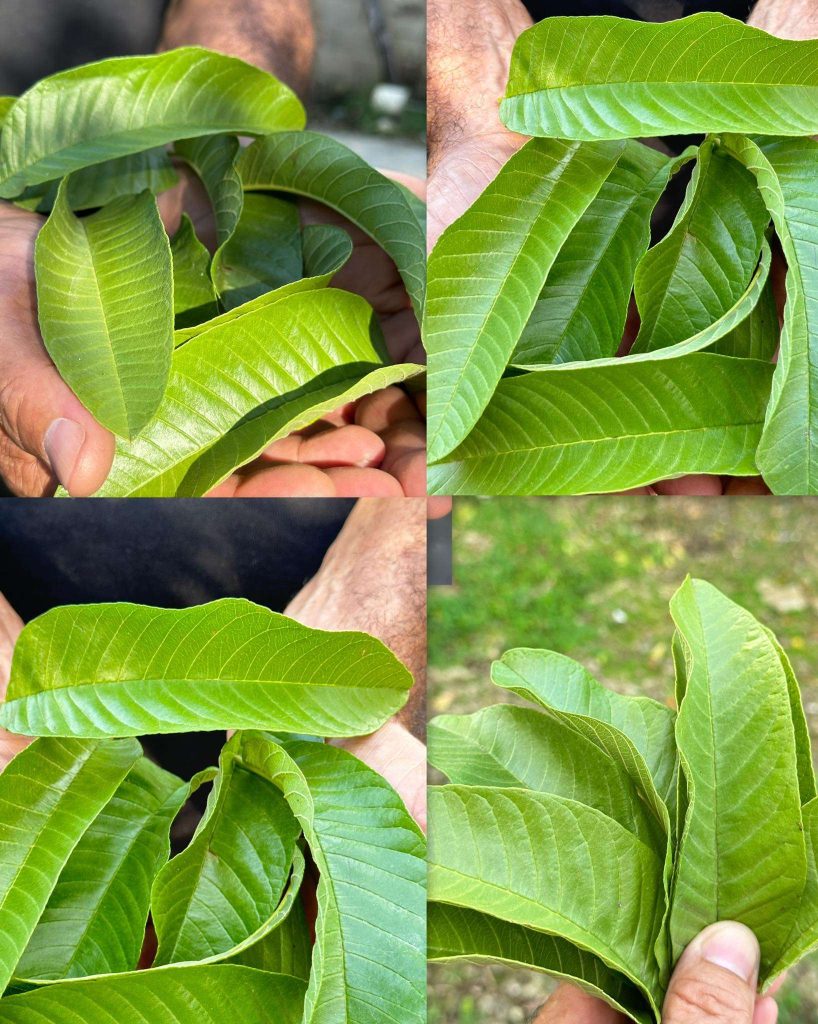
Guava leaves (Psidium guajava) are packed with a remarkable array of vitamins, antioxidants, and therapeutic compounds. They are exceptionally rich in vitamin C and flavonoids like quercetin, which are potent antioxidants that combat oxidative stress and inflammation in the body. Furthermore, they contain beneficial tannins, essential oils (such as cineole), and triterpenoids. This unique phytochemical profile is responsible for the leaf's broad-spectrum medicinal properties, including its anti-inflammatory, antimicrobial, and antispasmodic effects. Think of each leaf as a miniature, natural pharmacy offering a synergistic blend of healing elements.
Key Health Benefits of Guava Leaves Explored
The applications of guava leaves are impressively diverse. Here, we break down the most significant, evidence-backed benefits.
1. Blood Sugar Regulation and Metabolic Support 🩸
One of the most researched benefits of guava leaf tea is its positive effect on blood glucose levels. Compounds in the leaves inhibit the absorption of certain types of sugars in the intestine, such as maltose and sucrose, helping to prevent post-meal blood sugar spikes. Several studies suggest that regular consumption of guava leaf tea can improve insulin resistance and lower blood sugar levels in people with type 2 diabetes. Important: This should complement, not replace, prescribed diabetes medication, and consultation with a healthcare provider is crucial.
2. Digestive Health and Relief from Discomfort 🤢
Guava leaves are a traditional remedy for a variety of digestive issues. Their antimicrobial properties can help combat harmful gut bacteria like Staphylococcus aureus and Salmonella, potentially reducing the risk of food poisoning and infectious diarrhea. The anti-spasmodic effect can soothe stomach cramps and bloating, while the astringent qualities of the tannins may provide relief from acute diarrhea. For a upset stomach, a warm cup of guava leaf tea can be a gentle, effective soother.
3. Heart Health and Cholesterol Management ❤️
Supporting cardiovascular wellness is another forte of guava leaves. The antioxidants help protect the heart from oxidative damage, while other compounds may aid in managing "bad" LDL cholesterol and blood pressure levels. By preventing the oxidation of LDL cholesterol—a key step in the formation of arterial plaque—guava leaves contribute to maintaining clear and flexible arteries, supporting overall circulatory health.
4. Skin Health and Anti-Aging Properties ✨
Don't just drink guava leaf tea—consider applying it topically! The high antioxidant content, particularly vitamin C, fights free radicals that cause skin aging, wrinkles, and loss of elasticity. The anti-inflammatory and antimicrobial properties make a cooled guava leaf wash or paste an excellent remedy for treating acne, reducing redness, and soothing skin irritations. It can even accelerate the healing of minor wounds and bug bites.
5. Immune System Boost and Anti-Inflammatory Action 🛡️
The synergistic effect of vitamin C and flavonoids like quercetin makes guava leaves a powerful immune modulator. Regular consumption can help strengthen the body's natural defenses against common pathogens. Furthermore, the potent anti-inflammatory compounds can help reduce systemic inflammation, which is linked to numerous chronic diseases. This makes guava leaf tea a valuable beverage for maintaining long-term, foundational health.
How to Use Guava Leaves: Practical Tips and Methods 🍵
To harness these benefits, knowing how to prepare and use guava leaves is key. The most common and effective method is to make an herbal infusion or tea.
Simple Guava Leaf Tea Recipe:
- Harvest or purchase 5-10 fresh, organic guava leaves (or use 1 tablespoon of dried leaves).
- Rinse the leaves thoroughly to remove any dust.
- Bring about 2 cups (500ml) of water to a boil.
- Add the leaves, reduce heat, and let them simmer for 10-15 minutes to fully extract the compounds.
- Strain the leaves and pour the tea into a cup. You can enjoy it warm or let it cool.
- For flavor, you may add a touch of honey, lemon, or ginger, but avoid sugar to maximize the health benefits.
Recommended Intake: Start with one cup per day to assess tolerance. Most research studies use 1-3 cups daily. Always listen to your body and consult a professional if you have underlying health conditions or are pregnant/nursing.
Conclusion: Embracing a Leaf of Wellness 🌿
As we have explored, guava leaves are far more than just tree foliage; they are a versatile, accessible, and potent natural supplement. From providing crucial metabolic and digestive support to enhancing skin vitality and fortifying the immune system, their benefits are both broad and profound. By integrating guava leaf tea into your daily or weekly regimen, you are tapping into an ancient, holistic tradition of healing that is beautifully aligned with modern preventative health principles. Remember, natural remedies work best as part of a balanced lifestyle. We encourage you to try this simple yet powerful tea and experience the remarkable benefits of guava leaves for yourself. Your journey to enhanced natural wellness might just be a leaf away!
Deja una respuesta