Benefits of Guava Leaves
 Espanol
Espanol
Unlocking Nature's Pharmacy: The Remarkable Benefits of Guava Leaves 🌿
When we think of the guava tree, our minds often jump straight to its delicious, vitamin C-rich fruit. However, hidden in plain sight lies another potent part of this incredible plant: its leaves. Far more than just foliage, guava leaves are a powerhouse of nutrients and medicinal compounds that have been revered in traditional medicine for centuries. From supporting digestive health to beautifying your skin, this humble leaf offers a natural and accessible path to enhanced well-being. This article delves deep into the science-backed and traditional benefits of guava leaves, providing you with practical ways to integrate this natural remedy into your daily life.
A Treasure Trove of Medicinal Compounds 🔬
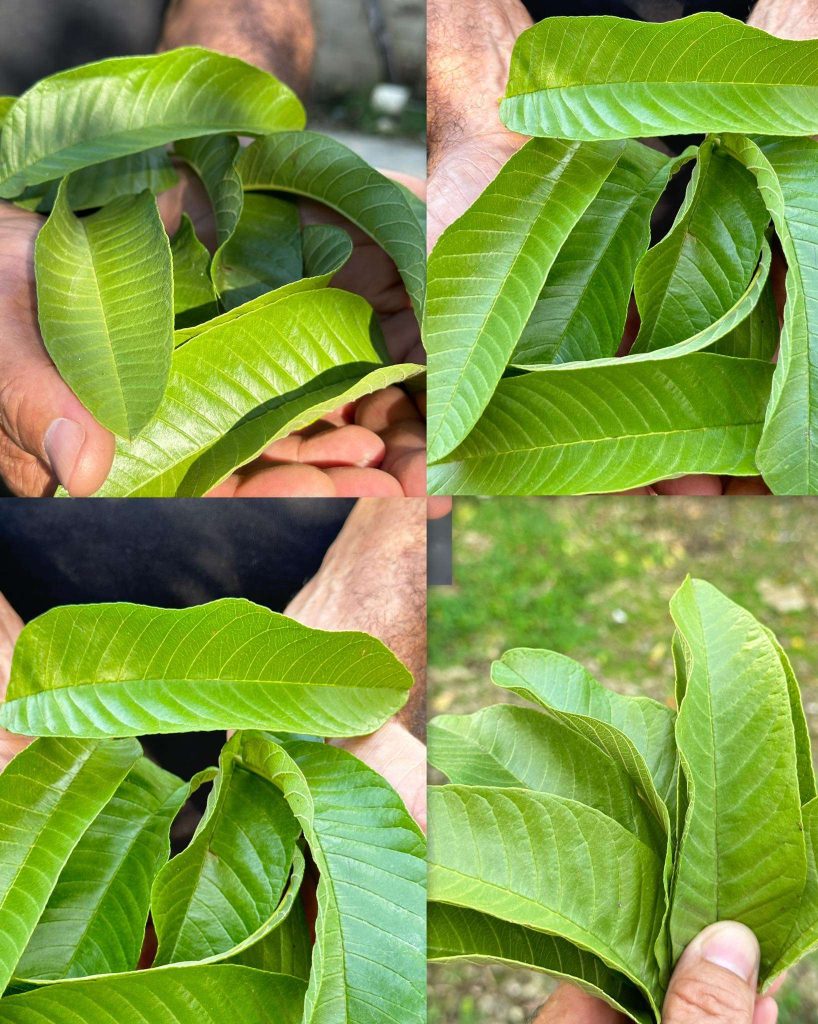
Guava leaves (Psidium guajava) are packed with a formidable array of bioactive substances. They are exceptionally rich in powerful antioxidants like flavonoids (particularly quercetin) and polyphenols, which combat oxidative stress and cellular damage in the body. Additionally, they contain beneficial compounds with anti-inflammatory, antimicrobial, and astringent properties. The leaves are also a source of essential vitamins, including Vitamin C and B vitamins, along with minerals like potassium and magnesium. This unique chemical profile is the foundation for their wide-ranging health applications, making them a versatile tool for holistic health.
Top Health Benefits You Can't Ignore 💚
The applications of guava leaf extract and tea are extensive. Here are some of the most significant, evidence-supported benefits:
- Blood Sugar Management: Several studies suggest that guava leaf tea can help improve insulin sensitivity and lower blood sugar levels. The compounds in the leaves inhibit the absorption of certain types of sugars in the intestine, making it a valuable complementary aid for those managing diabetes or pre-diabetes.
- Digestive Health Champion: Guava leaves are renowned for their ability to soothe digestive ailments. Their antibacterial properties can help combat harmful gut bacteria like Salmonella, while their anti-inflammatory nature soothes the stomach lining. Drinking guava leaf tea is an excellent remedy for acute diarrhea, food poisoning, and indigestion. 🫖
- Heart Health Support: By helping to lower "bad" LDL cholesterol and triglycerides, and potentially reducing blood pressure, guava leaves contribute to a healthier cardiovascular system. The potassium content also supports healthy blood pressure levels.
- Weight Management Aid: By preventing complex starches from converting into sugars, guava leaves can support weight loss efforts. Drinking the tea may help curb cravings and support a balanced metabolism when combined with a healthy diet and exercise.
- Skin and Hair Elixir: Applied topically, guava leaf decoctions can work wonders. Their antimicrobial and anti-inflammatory properties make them effective against acne and skin infections. The antioxidants fight signs of aging, while rinsing hair with the tea can strengthen follicles, reduce hair loss, and combat dandruff. ✨
- Oral Health Booster: Chewing on tender guava leaves or using a mouthwash made from their decoction can relieve toothaches, heal mouth ulcers, and treat gingivitis due to their potent anti-inflammatory and antibacterial actions.
Practical Guide: How to Use Guava Leaves 🍵
To harness these benefits, knowing how to prepare and use guava leaves is key. The most common method is by making a simple herbal tea or decoction.
How to Make Guava Leaf Tea:
- Harvest or purchase 6-10 fresh, organic guava leaves (or use 1 tablespoon of dried leaves).
- Wash the leaves thoroughly to remove any dirt.
- Bring 1-2 cups of water to a boil in a pot.
- Add the leaves to the boiling water, reduce the heat, and let it simmer for 10-15 minutes. This allows the beneficial compounds to infuse into the water, creating a stronger decoction than a simple steep.
- Strain the liquid into a cup. You can enjoy it warm or let it cool. For taste, you may add a teaspoon of honey or a slice of lemon, but it's best to avoid sugar.
For topical use on skin or hair, allow the decoction to cool completely. You can apply it directly to the affected skin with a cotton pad, or use it as a final rinse after shampooing your hair. Always perform a patch test first to ensure you don't have a sensitivity.
Important Considerations and Final Thoughts ⚠️
While guava leaves are generally safe for most people, it's crucial to practice moderation. Starting with one cup of tea per day is advisable. If you are pregnant, breastfeeding, on medication (especially for diabetes or blood thinning), or have a scheduled surgery, consult your healthcare provider before using guava leaves medicinally. Remember, they are a complementary support, not a replacement for professional medical diagnosis or treatment.
Conclusion: Embracing a Leaf of Wellness 🌱
In summary, the guava leaf stands as a testament to nature's profound ability to provide healing and support. From regulating blood sugar and soothing digestive distress to enhancing your skin's radiance and protecting your heart, its benefits are both diverse and impressive. By learning to prepare a simple cup of guava leaf tea or a topical rinse, you can unlock this accessible, natural resource. We encourage you to explore integrating this powerful leaf into your wellness routine and experience firsthand the gentle, nurturing power of plant-based medicine. Start with a single cup today, and take a proactive step towards a healthier, more vibrant you.
Deja una respuesta