Benefits of Guava Leaves
 Espanol
Espanol
Unlocking Nature's Pharmacy: The Surprising Benefits of Guava Leaves 🍃
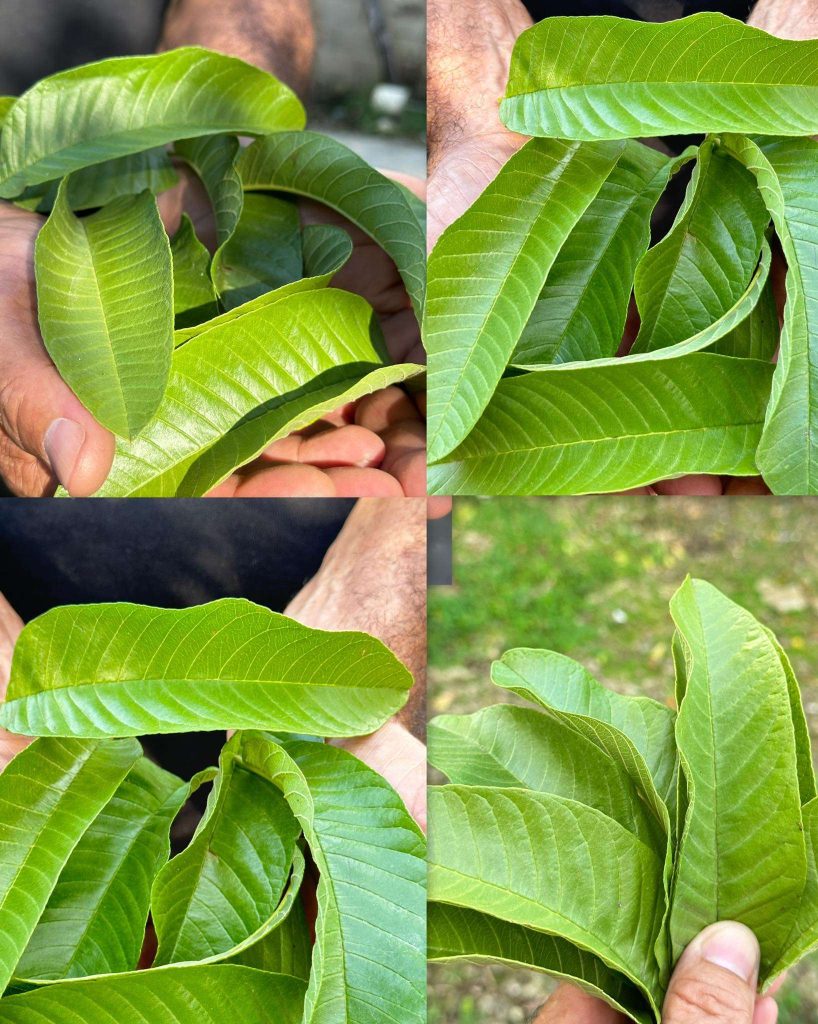
When we think of guava, the sweet, fragrant fruit often steals the spotlight. However, the unsung hero of the Psidium guajava tree is undoubtedly its leaves. Packed with a powerful blend of antioxidants, anti-inflammatory compounds, and essential nutrients, guava leaves have been a cornerstone of traditional medicine for centuries, particularly in tropical regions. This article delves deep into the science-backed benefits of these versatile leaves, moving beyond superficial knowledge to provide you with a comprehensive guide on how they can enhance your health and wellness routine. Let's explore this natural remedy that's been hiding in plain sight.
A Powerhouse of Bioactive Compounds 🔬
Guava leaves are rich in beneficial plant compounds such as flavonoids (like quercetin), carotenoids, and polyphenols. They also contain significant amounts of vitamin C and essential oils. These compounds work synergistically, giving the leaves their potent antioxidant, antimicrobial, and anti-inflammatory properties. This biochemical profile is the foundation for the myriad of health benefits we will uncover. Understanding this helps us appreciate why a simple leaf can be so effective.
Top Health Benefits of Guava Leaves
The applications of guava leaves are impressively broad. Here are some of the most significant, well-researched benefits:
1. Digestive Health and Anti-Diarrheal Agent 🤢
Guava leaf tea is a renowned remedy for upset stomachs. Its antimicrobial properties help combat harmful bacteria like Salmonella and E. coli in the gut, while its anti-inflammatory effects soothe the intestinal lining. For acute diarrhea, a strong cup of guava leaf tea can provide relief much faster than you might expect. The leaves also contain compounds that may help reduce intestinal cramping and gas.
2. Blood Sugar Regulation and Diabetes Management 🩺
This is one of the most promising areas of research. Studies suggest that compounds in guava leaves can inhibit the absorption of certain types of sugars (like maltose and sucrose) in the blood. They may also improve insulin sensitivity. Consuming guava leaf tea after meals may help prevent blood sugar spikes, making it a valuable complementary tool for prediabetics and those managing type 2 diabetes. However, it should not replace prescribed medication unless advised by a doctor.
3. Heart Health and Cholesterol Support ❤️
The leaves may contribute to a healthier cardiovascular system. The antioxidants help protect the heart from oxidative stress, while some studies indicate that long-term intake of guava leaf extract can help lower "bad" LDL cholesterol and triglycerides, and raise "good" HDL cholesterol. This effect is attributed to the leaves' ability to enhance liver function and increase the activity of enzymes that regulate lipid metabolism.
4. Skin and Hair Vitality ✨
Applied topically, guava leaf extract is a boon for beauty. Its antimicrobial and anti-inflammatory qualities make it excellent for treating acne, redness, and skin irritation. You can create a simple face toner by boiling leaves, cooling the water, and applying it with a cotton pad. For hair, a rinse made from guava leaves can strengthen the roots, reduce dandruff, and add a healthy shine, thanks to its nutrient content that nourishes the scalp.
5. Immune System Boost and Cold Relief 🛡️
With their high vitamin C content and flavonoids, guava leaves are a fantastic immune booster. Drinking guava leaf tea at the first sign of a cold or sore throat can help reduce mucus, soothe coughs, and disinfect the respiratory tract. Its fever-reducing (antipyretic) properties are also valued in traditional medicine practices.
6. Weight Management Aid ⚖️
Guava leaves may support weight loss efforts by preventing the conversion of complex carbohydrates into usable sugars. This can reduce cravings and help manage calorie intake. Furthermore, drinking the tea provides a healthy, calorie-free alternative to sugary beverages, promoting hydration and a feeling of fullness.
How to Use Guava Leaves: Practical Tips 🍵
To incorporate guava leaves into your routine, follow these simple methods:
- Tea/Infusion: The most common method. Wash 5-10 fresh leaves (or use 1 tablespoon of dried leaves). Boil them in 1 liter of water for 10 minutes. Strain and enjoy. You can add honey or lemon for taste.
- Topical Application: For skin or hair, create a more concentrated decoction by boiling a handful of leaves in 2 cups of water until the liquid reduces by half. Let it cool completely before use.
- Extract/Supplement: Capsules and liquid extracts are available. Always choose reputable brands and consult a healthcare professional for appropriate dosage, especially if you have underlying conditions or are on medication.
Important Considerations and Side Effects ⚠️
While generally safe for most people, guava leaf consumption in large medicinal amounts may cause mild stomach upset in some individuals. Due to its potential blood sugar-lowering effects, individuals with diabetes on medication should monitor their levels closely to avoid hypoglycemia. Pregnant and breastfeeding women should consult their doctor before using it medicinally.
Conclusion: Embracing a Time-Tested Natural Remedy 🌿
Guava leaves are far more than just tree foliage; they are a testament to the incredible healing power of nature. From stabilizing blood sugar and aiding digestion to enhancing skin health and strengthening the heart, the benefits are both diverse and profound. By integrating guava leaf tea into your daily regimen or using it as a targeted remedy, you harness a piece of ancient wisdom supported by modern science. Start with a simple cup of tea and observe how your body responds—you might just discover your new favorite natural wellness tool. Remember, the key to natural remedies is consistency and mindfulness. Here's to your health, naturally! 🍃
Deja una respuesta