Chenopodium or Epazote: Uses and Benefits You Didn't Know About
 Espanol
In the vast world of medicinal plants, some stars shine brighter than others in the public eye, while other, equally powerful herbs remain in the shadows. Chenopodium ambrosioides, a plant you might know as Epazote or Paico, is one of these hidden gems 🌿. Often dismissed as a simple weed or a culinary ingredient, this plant holds a treasure trove of traditional uses and scientifically-backed benefits that extend far beyond the kitchen. This article will dive deep into the remarkable world of Chenopodium, revealing its surprising applications for your health and well-being.
Espanol
More Than Just a Name: Identifying Chenopodium
This versatile plant goes by many names across different cultures, which is a testament to its widespread use. Knowing these aliases can help you identify it, whether you're reading a scientific paper or shopping at a local market.
- Epazote 🇲🇽 (Widely used in Mexico and Central America, essential for bean dishes).
- Paico 🇵🇪 (Common in South America, especially Peru and Bolivia, revered for its medicinal properties).
- American Wormseed 🪱 (A name highlighting its most famous traditional use).
- Goosefoot (An English name derived from the shape of its leaves).
- Other names include: Jesuit's Tea, Mexican Tea, and Herba Sancti Mariæ.
Despite its "weed" status in some regions, its potent aroma and flavor profile—often described as pungent, resinous, and reminiscent of citrus—make it unmistakable.
A Journey Through Time: Historical and Modern Uses
Chenopodium has a rich history in traditional medicine systems, from the Aztecs to various South American healers. Its applications are as diverse as its names, making it a true multi-purpose plant.
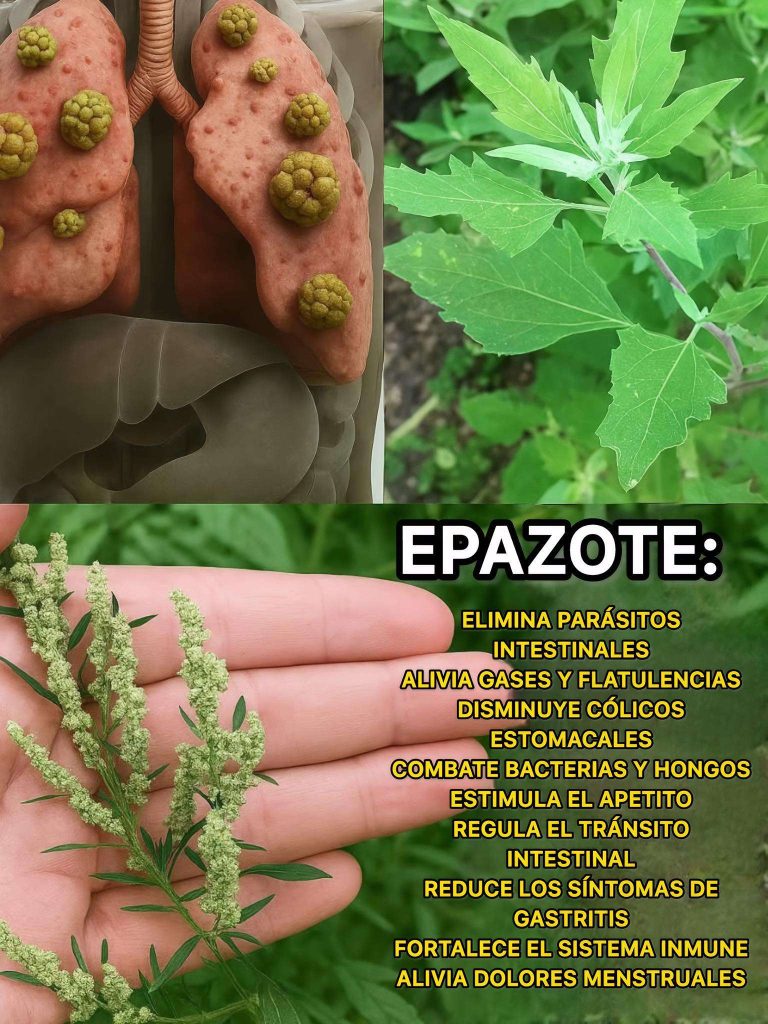
- 🌱 Potent Parasite Cleanser: This is its most celebrated traditional use. The plant contains a compound called ascaridole, which is highly effective against intestinal worms and amoebas. It was a go-to remedy before the advent of modern pharmaceuticals.
- 🍽️ Digestive Powerhouse: Beyond its culinary role in preventing gas from beans, Epazote acts as a carminative and digestive tonic. It helps soothe bloating, ease stomach cramps, and stimulate healthy digestion.
- 🦠 Antimicrobial Agent: Its essential oils possess antibacterial and antifungal properties, making it useful for combating minor internal infections and even topical issues.
- 🧘♀️ Respiratory and Anti-inflammatory Aid: As an expectorant, it helps loosen phlegm in cases of bronchitis and coughs. Its anti-inflammatory nature can also soothe sore muscles and joints when applied topically.
- ⚖️ Women's Health and More: Traditionally, it has been used to regulate menstrual cycles and alleviate cramps. It also functions as a mild sedative, febrifuge (fever reducer), and insect repellent.
A Practical Guide: How to Use Chenopodium Safely
While powerful, this herb must be used with knowledge and caution. The most common and safest way to use it medicinally is as a tea or infusion.
Simple Digestive and Parasite-Cleansing Tea Recipe
Ingredients:
- 3-5 fresh Epazote leaves (or 1 teaspoon of dried leaves)
- 1 cup of water
- 1 teaspoon of crushed pumpkin seeds (to enhance the antiparasitic effect) 🎃
- Honey or lemon to taste (optional)
Preparation:
- Thoroughly wash the fresh leaves.
- Bring the water to a boil in a pot.
- Add the leaves (and pumpkin seeds, if using), reduce heat, and let it simmer for 5-7 minutes.
- Remove from heat, cover, and let it steep for another 10 minutes.
- Strain the tea into a cup and add honey or lemon if desired.
Mode of Consumption:
For a parasite cleanse: Drink one cup on an empty stomach for 5-7 days. It is often recommended to follow this with a probiotic to restore gut flora.
For digestive aid: Drink half a cup after heavy meals to prevent gas and bloating.
Crucial Precautions: Using Epazote Wisely ⚠️
The potency of Chenopodium comes with important safety considerations. Always consult with a healthcare professional, especially if you have pre-existing conditions, are pregnant, or are nursing.
- Pregnancy and Nursing: It is strictly contraindicated during pregnancy due to its potential to stimulate uterine contractions. It should also be avoided while breastfeeding.
- Dosage is Key: The ascaridole content can be toxic in high doses. Never consume large amounts or highly concentrated extracts. Stick to mild infusions and short-term use.
- Children and Sensitive Individuals: Do not administer to young children without medical supervision. People with severe liver or kidney conditions should avoid it.
- Essential Oil Warning: The essential oil of Chenopodium is highly concentrated and toxic. It should never be ingested.
Conclusion: An Ancient Herb for Modern Wellness
Chenopodium, or Epazote, is far more than a simple cooking herb or a backyard weed. It is a powerful plant with a profound history in traditional medicine, offering natural solutions for digestive distress, parasitic infections, and respiratory issues. Its antimicrobial, anti-inflammatory, and carminative properties make it a valuable, multi-faceted addition to a natural wellness toolkit. However, its power demands respect. By understanding its uses, preparing it correctly, and heeding its precautions, you can safely explore the significant benefits of this remarkable plant. Let this ancient knowledge guide you toward a more natural path to health.
Deja una respuesta