Discover How to Get Your Sansevieria or Mother-in-Law's Tongue to Bloom Beautifully
 Espanol
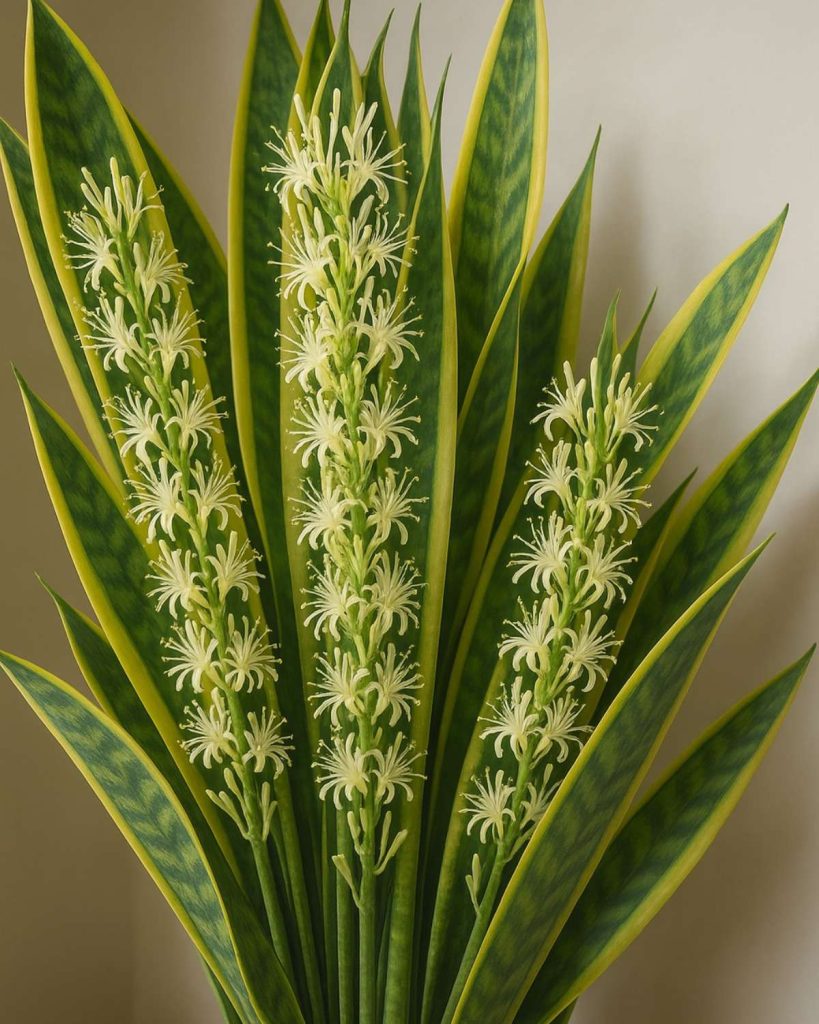
Witnessing a Sansevieria, or Mother-in-Law's Tongue, in bloom is a rare and special event for any plant enthusiast. 🌸 Renowned for its architectural, sword-like leaves and incredible resilience, this plant is a staple in homes and offices worldwide. However, its flowering is often considered a horticultural triumph. While not guaranteed, achieving this feat is entirely possible with dedicated, specific care. This guide will walk you through the essential steps to significantly increase your chances of encouraging your Sansevieria to produce its delicate, fragrant flowers, transforming it from a simple foliage plant into a stunning floral showcase.
Espanol
1. Provide the Right Light ☀️
Sansevieria is famously adaptable and can tolerate low light conditions, but tolerating is not the same as thriving. To trigger the energy-intensive process of flowering, it needs a significant amount of bright, indirect light. Think of light as the plant's primary source of fuel; without enough, it will merely survive, focusing its energy on basic leaf growth rather than reproduction. An ideal spot is near an east or south-facing window where it receives plenty of ambient light without being scorched by the harsh afternoon sun. A tell-tale sign of insufficient light is slow growth and dark, deep green leaves, whereas too much direct sun can cause leaf scorching, appearing as bleached, brown patches.
2. Master the Art of Watering 💧
As a succulent, the Sansevieria stores water in its thick, fleshy leaves, making it highly susceptible to overwatering. Overwatering is the single most common cause of death for these plants and will unequivocally prevent any chance of blooming. The key is to mimic the natural dry cycles of its native habitat. You should only water when the soil is completely dry all the way through the pot. During the active growing season (spring and summer), this might be every 2-3 weeks. In the dormant winter period, you can reduce watering to once a month or even less. Always err on the side of underwatering. A moisture meter can be a valuable tool to eliminate the guesswork and ensure you are not watering too frequently.
3. Use a Well-Draining Soil Mix 🌱
The perfect soil mix is your first line of defense against root rot. A standard potting soil retains too much moisture, creating a soggy environment that Sansevieria roots despise. Instead, opt for a specialized succulent or cactus potting mix. For even better drainage, amend this mix with additional perlite, coarse sand, or pumice. A good rule of thumb is a ratio of 2 parts potting mix to 1 part drainage material. Equally important is using a pot with ample drainage holes at the bottom. This ensures any excess water can escape freely, preventing the roots from sitting in waterlogged soil.
4. Apply the Right Fertilization 🧪
While Sansevieria is not a heavy feeder, providing the right nutrients at the right time can be the final push it needs to flower. During the spring and summer, feed your plant once a month with a balanced, water-soluble fertilizer diluted to half-strength. To specifically encourage blooming, look for a fertilizer with a slightly higher ratio of phosphorus (the middle number in the N-P-K ratio), such as a 5-10-5 blend. Phosphorus is vital for flower and root development. Cease all fertilization in the fall and winter when the plant's growth slows down. Over-fertilizing, especially with high-nitrogen formulas, will promote leafy growth at the expense of flowers.
5. Maintain Ideal Temperature and Humidity 🌡️
This plant is comfortable in average household temperatures, thriving in a range between 15°C and 30°C (60°F - 85°F). It is crucial to protect it from cold drafts and temperatures below 10°C (50°F), as this can cause irreversible damage. Unlike many tropical plants, Sansevieria prefers low to average humidity levels, making it perfectly suited for most home environments. Avoid placing it in naturally humid rooms like bathrooms or next to humidifiers, as excessive moisture in the air can encourage fungal diseases.
6. The Secret: Controlled Stress 😰
This is a lesser-known but highly effective technique used by expert growers. Applying mild, controlled stress can trigger the plant's survival instinct, prompting it to flower as a last-ditch effort to reproduce. The safest way to do this is through slight water stress. Allow the plant to stay dry for a period slightly longer than usual before giving it a thorough drink. You might notice the leaves becoming slightly less firm. This subtle signal indicates the plant is experiencing a manageable drought, which can be the catalyst for flower spike production. Caution: This is a delicate balance—prolonged, severe drought will harm the plant.
What Do Sansevieria Flowers Look Like? 🌼
When your efforts pay off, the reward is enchanting. The Sansevieria sends up a long, slender flower spike, or raceme, from the center of its leaf rosette. Adorning this spike are numerous delicate, star-shaped flowers that are typically white, cream-colored, or pale green. The blossoms often have a captivating, sweet fragrance reminiscent of jasmine or vanilla, which is most potent during the evening and night to attract pollinators. The flowering typically occurs in late spring or summer, and the blooms can last for several weeks, filling the room with their subtle perfume.
Additional Pro-Tips for a Thriving Plant ✨
Avoid Relocating Your Plant Frequently: Sansevieria appreciates stability. Once you find a spot where it is growing well, try to leave it there. Constant movement can cause stress that disrupts its growth cycle.
Prune with Purpose: This plant does not require shaping. Only remove leaves that are completely yellow, damaged, or dead at the base to direct energy towards new growth and potential flowers.
Consider a Slightly Root-Bound Pot: Being
Deja una respuesta